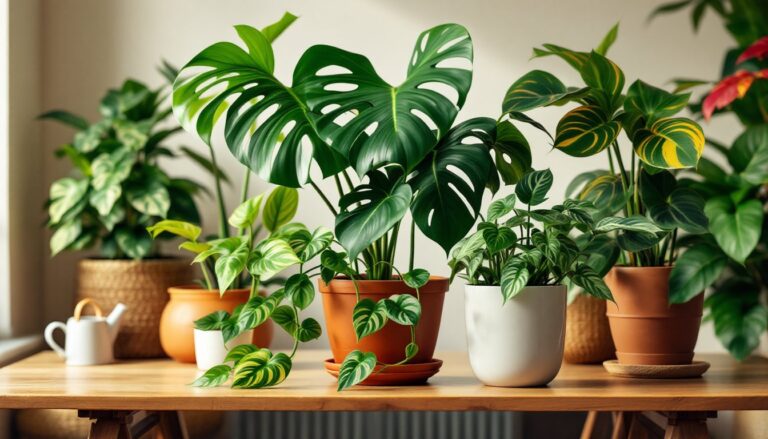
Indoor plants don’t inherently attract bugs, but certain conditions around them do. The real culprits are overwatering, poor drainage, decaying organic matter, and lack of air circulation, all of which create the humid, nutrient-rich environments that pests love. A healthy plant in well-draining soil with proper watering habits is far less likely to host an infestation than a stressed specimen sitting in soggy potting mix. Understanding what draws pests and how to manage conditions makes all the difference between a thriving indoor garden and one plagued by tiny invaders.
Table of Contents
ToggleKey Takeaways
- Indoor plants themselves don’t attract bugs; overwatering, poor drainage, and lack of air circulation create environments where pests thrive.
- Fungus gnats, spider mites, and aphids are common houseplant pests that can be prevented by letting soil dry between waterings and maintaining proper drainage.
- New plants should be quarantined for two weeks and inspected thoroughly to prevent introducing pests that may be hiding on leaves, stems, or in soil.
- Natural treatments like neem oil, insecticidal soap, and beneficial insects can effectively eliminate houseplant infestations without harsh chemicals.
- Consistent monitoring, regular leaf cleaning, and proper air circulation are the most important preventive measures to keep your indoor plants pest-free.
- Early detection is critical—catching an infestation in its first week is exponentially easier to manage than dealing with one that has spread to multiple plants.
Why Indoor Plants Sometimes Attract Bugs
Most houseplant pests aren’t attracted to the plant itself, they’re drawn to the environment around it. Overwatering is the biggest offender. When soil stays wet for extended periods, it becomes a breeding ground for fungus gnats, whose larvae feed on decaying roots and organic material in the potting mix. A pot without drainage holes or a saucer that’s never emptied compounds the problem.
Poor air circulation is another factor. Still air around foliage creates humid microclimates that spider mites and aphids thrive in. Plants crammed together on a shelf or tucked into a corner with no airflow are more vulnerable than those in open spaces with gentle air movement from a ceiling fan or window.
Soil quality matters more than most people realize. Cheap potting mixes or those stored outdoors can harbor pest eggs or larvae before the bag even opens. Using fresh, sterile potting soil and storing it in a sealed container reduces the risk. Adding organic amendments like compost is great for outdoor gardens but can introduce pests indoors if not properly processed.
Plant stress weakens natural defenses. A plant struggling with low light, temperature extremes, or root-bound conditions is an easier target. Pests sense compromised plants and colonize faster. Healthy plants with appropriate light, consistent watering schedules, and periodic repotting resist infestations better.
Finally, bringing in new plants without quarantine is a common vector. Nursery plants often carry hitchhikers, aphids tucked under leaves, spider mite eggs on stems, or gnat larvae in soil. Isolating new additions for two weeks and inspecting them thoroughly can prevent spreading pests to established collections.
Common Bugs That Infest Houseplants
Fungus Gnats
Fungus gnats are small black flies, about 1/8 inch long, that hover around soil surfaces and lower leaves. The adults are mostly a nuisance, they don’t bite plants or people, but their larvae feed on organic matter and fine root hairs in wet soil. A severe infestation can damage seedlings or weaken young plants.
They reproduce rapidly in consistently moist potting mix. One female lays up to 200 eggs in her short lifespan. If you’re seeing a cloud of tiny flies when you water, you’ve got an active population. The larvae are translucent with black heads, visible when you turn over the top inch of soil.
Prevention hinges on letting the top 1–2 inches of soil dry between waterings. Fungus gnat larvae need moisture to survive. Yellow sticky traps catch adults and help monitor population levels but won’t solve the root cause. For heavy infestations, applying Bacillus thuringiensis israelensis (BTI), a biological larvicide available as granules or liquid, kills larvae without harming plants or beneficial insects.
Spider Mites and Aphids
Spider mites are nearly invisible to the naked eye, about the size of a period on this page, but their damage is obvious. Look for fine webbing on leaf undersides, stippled yellow or bronze spots on foliage, and overall plant decline. They thrive in dry, warm conditions with low humidity. Misting doesn’t help: it evaporates too quickly. These pests reproduce in as little as five days under ideal conditions, so early detection is critical.
Wiping leaves with a damp cloth weekly removes mites before they establish colonies. For active infestations, spray all leaf surfaces, top and bottom, with insecticidal soap or neem oil, ensuring thorough coverage. Repeat every 5–7 days for three weeks to break the reproduction cycle. Increasing ambient humidity with a humidifier or pebble tray makes the environment less hospitable, especially for moisture-loving plants that naturally resist mites.
Aphids are small, pear-shaped insects in green, black, brown, or white. They cluster on new growth, sucking sap and secreting sticky honeydew that attracts ants and promotes sooty mold. A strong spray from a kitchen faucet or shower knocks them off effectively, most won’t climb back. For persistent colonies, insecticidal soap works well. Apply in the early morning or evening to avoid leaf burn, and repeat weekly until aphids are gone.
Both spider mites and aphids can hitch a ride on broad leaf house plants brought in from garden centers, which is why inspecting new plants under good light is non-negotiable.
How to Prevent Bugs in Your Indoor Plants
Prevention starts before a plant even enters your home. Inspect every new plant as if you’re buying a used car, check under leaves, along stems, and at the soil line for webbing, sticky residue, or visible insects. Quarantine new arrivals in a separate room for two weeks. If pests appear during that window, you’ve contained the problem.
Watering practices are the single most important preventive measure. Use pots with drainage holes and empty saucers within 30 minutes of watering. Stick your finger 1–2 inches into the soil: if it’s still moist, wait. Most houseplants tolerate slight underwatering far better than soggy roots. Experts at The Spruce emphasize that more houseplants die from overwatering than any other cause.
Soil choice matters. Use a quality potting mix formulated for indoor plants, not garden soil, which compacts and retains too much moisture. For succulents and cacti, add perlite or coarse sand to improve drainage. Store unused soil in a sealed plastic bin to keep out pests and moisture.
Air circulation disrupts pest colonization. A small oscillating fan on low speed, running a few hours daily, reduces humidity around foliage and makes it harder for spider mites to settle. Don’t aim it directly at plants, gentle, indirect airflow is enough.
Regular cleaning removes dust and pest eggs. Wipe leaves monthly with a damp microfiber cloth or give plants a lukewarm shower. This is especially important for large leaf house plants with broad surfaces that collect debris.
Monitor plant health closely. Yellow leaves, stunted growth, or webbing are early warning signs. Catching an infestation in the first week is exponentially easier than dealing with one that’s spread to multiple plants. Keep a magnifying glass handy for close inspections.
Finally, avoid over-fertilizing. Excess nitrogen produces soft, lush growth that aphids love. Follow fertilizer instructions and use half-strength dilutions during slow-growth periods. For house plants for beginners, less is often more.
Natural Ways to Get Rid of Houseplant Pests
When pests appear even though preventive measures, natural treatments can eliminate them without harsh chemicals. Neem oil is a reliable broad-spectrum option. Mix 1–2 tablespoons of pure neem oil with a quart of water and a few drops of dish soap (the soap helps it emulsify). Spray all plant surfaces until dripping, focusing on leaf undersides where pests hide. Neem disrupts insect reproduction and feeding: it’s not an instant knockdown but works within days. Apply weekly for three weeks. Avoid treating plants in direct sun, it can cause leaf burn.
Insecticidal soap works on soft-bodied insects like aphids, whiteflies, and young spider mites. You can buy ready-to-use formulas or make your own with 1 tablespoon of pure castile soap per quart of water. Spray thoroughly, let sit for a few hours, then rinse if desired. Repeat every 4–5 days until pests are gone. Always test on a few leaves first: some plants are sensitive.
Diatomaceous earth (DE) is effective against soil-dwelling pests like fungus gnat larvae. Sprinkle a thin layer of food-grade DE on the soil surface. The microscopic sharp edges damage insect exoskeletons, causing dehydration. It only works when dry, so reapply after watering. Wear a dust mask when applying, DE is non-toxic but irritating to lungs.
For fungus gnats specifically, bottom watering can help. Place the pot in a tray of water and let it soak from below, keeping the top inch of soil dry where gnats lay eggs. Combine this with yellow sticky traps and a BTI drench for comprehensive control.
Beneficial insects are an option for serious collectors. Releasing predatory mites or ladybugs indoors sounds odd, but they’re highly effective against spider mites and aphids. They work best in enclosed spaces like sunrooms where they won’t disperse. This approach is overkill for a few houseplants but worth considering for large collections.
Some gardeners swear by homemade sprays using garlic, hot pepper, or essential oils. Results vary, and there’s less research backing them compared to neem or insecticidal soap. If you try DIY recipes, test on one plant first and watch for adverse reactions.
Severe infestations sometimes require isolation and bare-root treatment. Remove the plant from its pot, wash all soil off the roots under lukewarm water, trim any damaged roots, and repot in fresh, sterile soil. It’s drastic but can save a valuable specimen when other methods fail. Resources like Gardenista often feature detailed guides on rehabilitating pest-damaged plants.
Remember that consistency matters more than product choice. Skipping applications or treating only visible pests lets eggs and hidden colonies survive. Stick with a treatment schedule for at least three weeks, the life cycle of most common pests, to fully break the infestation. And for common tropical house plants that naturally thrive in humid conditions, balancing moisture needs with pest prevention requires careful attention to watering and air movement.
Conclusion
Indoor plants don’t attract bugs on their own, poor care practices do. Master the basics of proper watering, soil choice, and air circulation, and most pest problems never develop. When they do appear, early detection and consistent natural treatments keep infestations manageable without resorting to harsh pesticides. A little vigilance goes a long way toward maintaining a healthy, pest-free indoor garden.