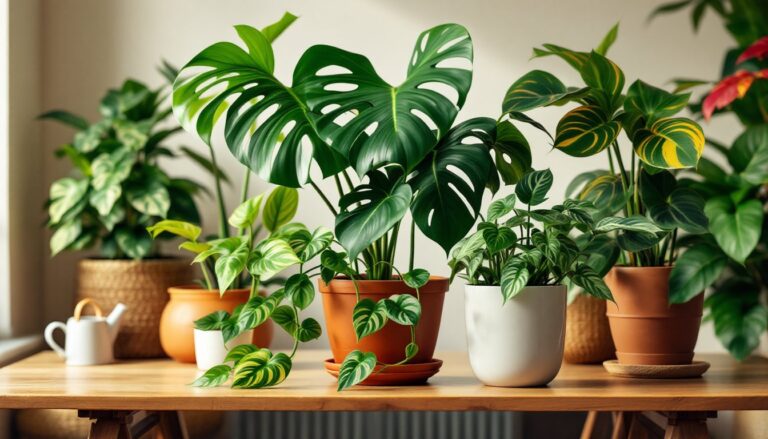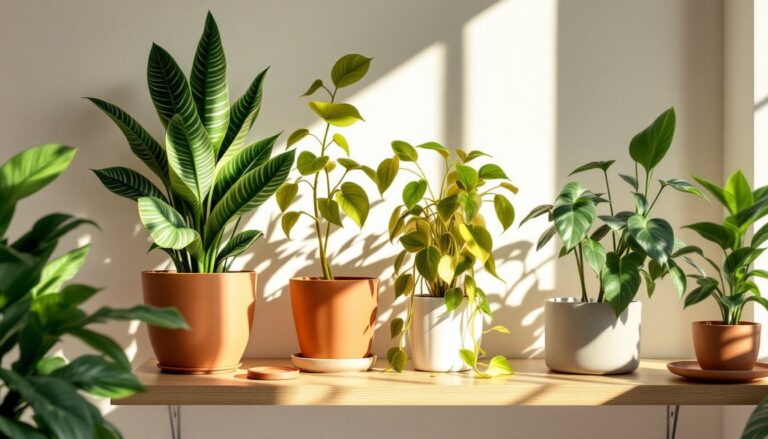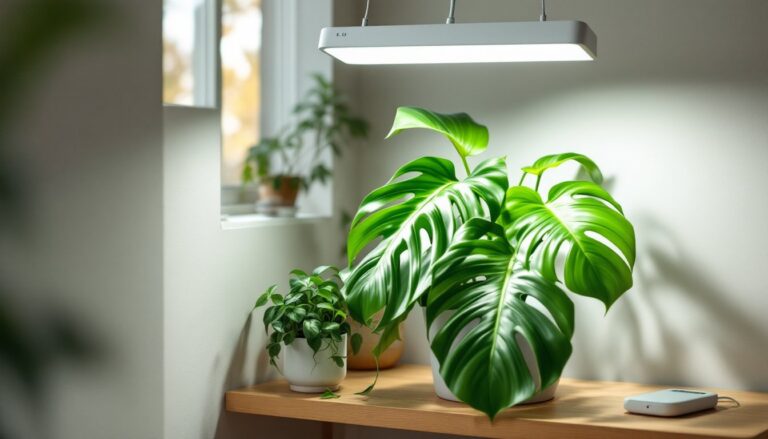
Indoor air quality matters more than most homeowners realize. The EPA estimates that indoor air can be two to five times more polluted than outdoor air, filled with volatile organic compounds (VOCs) from paint, furniture, and cleaning products. While mechanical air purifiers help, houseplants offer a natural, low-maintenance solution that also brings life to your space. The right plants don’t just sit pretty on a shelf, they actively filter formaldehyde, benzene, and other toxins while boosting humidity and oxygen levels. This guide breaks down the most effective air-purifying plants, how to keep them thriving, and where to place them for maximum impact.
Table of Contents
ToggleKey Takeaways
- Indoor air can be 2-5 times more polluted than outdoor air, and air purifying house plants like snake plants, peace lilies, and spider plants remove up to 87% of airborne toxins within 24 hours.
- Snake plants are the lowest-maintenance air purifier, converting CO2 to oxygen at night and thriving in low light, though they’re toxic to pets and should be kept out of reach.
- Peace lilies and spider plants offer excellent toxin removal with different benefits—peace lilies bloom beautifully and prefer higher humidity, while spider plants are completely pet-safe and propagate easily.
- Proper watering (letting soil dry between waterings), appropriate light placement, and monthly leaf cleaning are the three essentials to keep air purifying plants healthy and effective.
- Position one plant per 100 square feet for meaningful air quality improvement, with snake plants in bedrooms, spider plants in living areas, and peace lilies in humid kitchens and bathrooms for maximum impact.
- Air purifying house plants work best as part of a layered approach alongside proper ventilation and mechanical filters, not as a complete replacement for professional air filtration systems.
Why Air Purifying Plants Are Essential for Modern Homes
Modern homes are tighter and more energy-efficient than ever, which means less air exchange and more trapped pollutants. Off-gassing from pressed wood furniture, carpets, and household cleaners contributes to a buildup of VOCs like formaldehyde and trichloroethylene. Chronic exposure to these compounds can trigger headaches, respiratory irritation, and long-term health issues.
NASA’s Clean Air Study (conducted in the 1980s and still referenced today) found that certain houseplants can remove up to 87% of airborne toxins within 24 hours. Plants absorb pollutants through their leaves and roots, converting them into harmless byproducts while releasing oxygen. They also increase indoor humidity by 5-10%, which can reduce dry skin, respiratory discomfort, and static electricity during winter months.
That said, plants aren’t a replacement for proper ventilation or mechanical filtration if you’re dealing with serious air quality issues. They work best as part of a layered approach: open windows when weather permits, run your HVAC system with a quality filter, and supplement with greenery. For typical household pollutant levels, a handful of well-placed plants can make a noticeable difference in air freshness and overall comfort.
Some DIYers worry about soil mold or overwatering introducing moisture problems. That’s valid. Stick to well-draining potting mix, pots with drainage holes, and a consistent watering schedule. If you’re sensitive to mold, top the soil with a thin layer of decorative gravel or pebbles to reduce spore exposure.
Top Air Purifying House Plants for Every Room
Not all air-purifying plants are created equal. Some excel at filtering specific toxins, others tolerate low light or neglect, and a few are safe around curious pets. Here are three workhorses that deliver real results without demanding expert-level care.
Snake Plant: The Low-Maintenance Air Quality Champion
Snake plant (Sansevieria trifasciata, also sold as Dracaena trifasciata) tops most lists for good reason. It converts CO2 to oxygen at night, making it ideal for bedrooms, and it removes formaldehyde, benzene, xylene, and toluene. The stiff, upright leaves store water like a succulent, so it tolerates irregular watering and low humidity.
Snake plants thrive in indirect light but tolerate low-light corners better than most species. They’re also forgiving of temperature swings (50–85°F). Water only when the top two inches of soil are dry, usually every 2-3 weeks in winter, weekly in summer. Overwatering causes root rot, the most common killer.
One caution: snake plants are toxic to cats and dogs if ingested, causing nausea and vomiting. Keep them out of reach or choose a pet-safe alternative. Mature plants can reach 2-4 feet tall, making them a strong vertical accent for broad leaf house plants collections. They’re also nearly indestructible, which is why Sansevieria varieties are staples in offices and homes alike.
Peace Lily: Beautiful Blooms With Powerful Filtration
Peace lily (Spathiphyllum) combines air-cleaning performance with glossy foliage and elegant white blooms. It excels at removing ammonia, formaldehyde, benzene, and trichloroethylene, common in cleaning products and building materials. Peace lilies also signal when they need water by drooping noticeably, then perk up within hours of a drink.
They prefer low to medium indirect light and can even bloom in north-facing rooms. Direct sun scorches the leaves. Keep soil consistently moist but not soggy: weekly watering usually does it. Peace lilies appreciate humidity, so they’re naturals for bathrooms or kitchens. Mist the leaves occasionally or set the pot on a pebble tray with water below the drainage holes.
Safety note: Peace lilies are toxic to pets and humans if ingested, causing oral irritation and digestive upset. Place them on high shelves or in rooms pets don’t access. The plant’s tolerance for lower light makes it a good companion to other indoor tropical house plants that need similar conditions. Mature peace lilies can reach 1-3 feet tall and wide, so give them room to spread.
Spider Plant: Pet-Friendly and Highly Effective
Spider plant (Chlorophytum comosum) is the go-to choice for pet owners. It’s non-toxic, hardy, and removes formaldehyde and xylene with impressive efficiency. The arching, variegated leaves and cascading plantlets make it a natural for hanging baskets or high shelves.
Spider plants tolerate a wide range of light conditions, from bright indirect to partial shade, and forgive occasional neglect. Water when the top inch of soil dries out, roughly once a week. They prefer temps between 55–80°F and can handle dry indoor air, though they’ll produce more plantlets (“spiderettes”) in moderate humidity.
Brown leaf tips are common and usually signal fluoride or chlorine in tap water, not a serious issue. Use filtered or distilled water if it bothers you, or just trim the tips with clean scissors. Spider plants also propagate easily: snip off a plantlet with a few roots showing and pot it up. Within weeks, you’ll have a new plant to expand your air-filtering setup or give away. They pair well with moisture-loving plants if you’re grouping species with similar care needs.
How to Care for Your Air Purifying Plants
Even low-maintenance plants need consistent basics: proper watering, light, and soil. Here’s how to keep your air purifiers healthy without turning plant care into a part-time job.
Watering: Overwatering kills more houseplants than underwatering. Most air-purifying species prefer soil that dries slightly between waterings. Stick your finger 1-2 inches into the soil: if it’s dry, water thoroughly until it drains from the bottom. Empty saucers after 15 minutes to prevent root rot. In winter, reduce frequency as plant growth slows.
Light: Match the plant to the room’s natural light. Snake plants and peace lilies tolerate low light: spider plants prefer bright, indirect light. Rotate pots a quarter turn weekly so all sides get even exposure. If leaves stretch toward the window or lose variegation, they need more light. Scorched, bleached spots mean too much direct sun.
Soil and Potting: Use a well-draining potting mix, not garden soil, which compacts and holds too much moisture. A standard indoor mix works for most species: add perlite or coarse sand for extra drainage if needed. Repot every 1-2 years or when roots circle the pot’s bottom. Go up one pot size (e.g., from a 6-inch to an 8-inch pot) to avoid overwhelming the plant.
Fertilizing: Feed lightly during the growing season (spring through early fall) with a balanced, water-soluble fertilizer diluted to half strength. Skip fertilizing in winter when growth slows. Over-fertilizing causes salt buildup and burnt leaf edges.
Cleaning: Dust blocks light and clogs leaf pores, reducing photosynthesis and air filtration. Wipe leaves monthly with a damp cloth or give plants a gentle shower. It’s a small step that makes a noticeable difference in plant health and air quality. For tropical common house plants, regular cleaning also prevents pest buildup.
Placement Tips to Maximize Air Purification Benefits
Where you put your plants matters as much as which species you choose. NASA’s research suggests one plant per 100 square feet for meaningful air quality improvement, though more is better if you have the space and light.
Bedrooms: Snake plants release oxygen at night, making them ideal bedside companions. Place them on a nightstand or dresser in indirect light. Peace lilies also work if you can provide enough ambient light and keep them away from pets.
Living Rooms and Offices: These high-traffic areas benefit from larger specimens or clusters of smaller plants. Position spider plants in hanging baskets near windows or on tall shelves. Group tropical big leaf house plants with air purifiers for a layered look that filters more air volume.
Kitchens and Bathrooms: Higher humidity and fluctuating temps suit peace lilies and spider plants. Set them on counters, windowsills, or shelving units. Avoid placing plants directly above stoves or in steam zones where temperature swings are extreme.
Basements and Low-Light Spaces: Snake plants and certain peace lily cultivars tolerate dim conditions. Use them to green up offices, hallways, or laundry rooms where other plants struggle. Add a small grow light if natural light is truly minimal.
Avoid Drafts and Heat Sources: Don’t place plants near heating vents, air conditioners, or exterior doors. Rapid temperature changes stress plants and reduce their filtering efficiency. Keep them away from radiators and cold windowpanes in winter.
Grouping for Humidity: Clustering plants raises local humidity through transpiration, which benefits both the plants and your air quality. It’s a simple trick that long leaf house plants and other species appreciate, especially in forced-air heated homes.
For more inspiration on plant placement and care, resources like The Spruce and Better Homes & Gardens offer room-by-room guides and seasonal tips.
Air-purifying plants aren’t a magic bullet, but they’re a practical, low-cost upgrade that improves indoor air quality while adding life to your space. Choose species that match your light and lifestyle, stick to basic care routines, and place them strategically. You’ll breathe easier, and your home will look better for it.