Not everyone has a green thumb, and that’s perfectly fine. Hardy indoor plants are the workhorses of the houseplant world, they tolerate neglect, forgive inconsistent watering, and thrive in less-than-ideal conditions. Whether dealing with low light, irregular schedules, or a track record of killing every fern that crosses the threshold, these plants offer a second (or fifth) chance.
This guide covers what makes a plant genuinely hardy, the top species for beginners, essential care tips that actually matter, and the common mistakes that trip up even experienced plant owners. No fluff, just practical advice to keep greenery alive.
Table of Contents
ToggleKey Takeaways
- Hardy indoor plants tolerate neglect, forgive inconsistent watering, and thrive in less-than-ideal light and temperature conditions, making them ideal for beginners and busy plant owners.
- The top hardy indoor plants—snake plants, pothos, and ZZ plants—each excel in different conditions: snake plants handle extreme drought, pothos thrives in low light, and ZZ plants offer both benefits with minimal care requirements.
- Proper drainage, well-draining soil, and correct watering technique (letting soil dry between waterings) are the most critical factors for keeping hardy indoor plants healthy and preventing root rot.
- Common mistakes like overwatering, ignoring drainage, overfertilizing, and assuming zero light will work kill more hardy plants than their lack of resilience, so consistent basics matter more than perfection.
- Hardy indoor plants need some light for photosynthesis—rooms requiring lights on at midday are too dark—and benefit from monthly foliage cleaning, seasonal dormancy adjustments, and weekly pot rotation for balanced growth.
What Makes an Indoor Plant Hardy?
A hardy indoor plant isn’t just tolerant, it’s adaptable. These species handle environmental stress without dramatic decline, which separates them from high-maintenance varieties that demand precise humidity, light, and watering schedules.
Drought tolerance tops the list. Hardy plants store water in thick leaves, stems, or root systems, allowing them to survive weeks without irrigation. Snake plants and ZZ plants fall into this category, with specialized cells that retain moisture.
Low-light adaptability matters for homes without south-facing windows. Many hardy species evolved in forest understories, where they developed the ability to photosynthesize efficiently under dim conditions. Pothos and philodendrons thrive in indirect light or even fluorescent office lighting.
Pest and disease resistance reduces headaches. Tough foliage and natural chemical defenses help hardy plants fend off spider mites, mealybugs, and fungal issues. Spider plants and cast iron plants rarely show pest damage compared to delicate ferns.
Temperature range flexibility allows these plants to handle drafty windows, HVAC fluctuations, and seasonal swings without leaf drop or shock. Most hardy species tolerate temperatures between 50°F and 85°F, a range that covers typical indoor environments.
Root system resilience enables recovery from root rot or compacted soil. Hardy plants bounce back from overwatering or underwatering better than sensitive species, thanks to vigorous root growth and repair mechanisms.
Best Hardy Indoor Plants for Beginners
Snake Plant: The Indestructible Classic
Snake plant (Sansevieria trifasciata) earned its reputation through sheer resilience. Upright, sword-shaped leaves store water like a succulent, allowing the plant to go 2-6 weeks between waterings depending on season and light.
Light requirements are minimal. Snake plants tolerate everything from bright indirect light to dim corners, though growth slows in deep shade. Place them 3-10 feet from a window for best results.
Watering is infrequent. Let soil dry completely between waterings, stick a finger 2 inches into the potting mix to check. Overwatering causes root rot faster than underwatering causes harm. In winter, watering once monthly suffices.
Soil needs are simple. Use a cactus or succulent mix, or amend standard potting soil with perlite or coarse sand at a 1:1 ratio to improve drainage. Terra cotta pots help wick excess moisture.
Air purification is a bonus. NASA’s Clean Air Study found snake plants remove formaldehyde and benzene from indoor air, though the effect requires multiple plants in a sealed environment.
Pothos: Low-Light Champion
Pothos (Epipremnum aureum) thrives where other plants sulk. Heart-shaped leaves cascade from hanging baskets or climb moss poles, and the plant tolerates neglect that would kill a fiddle leaf fig.
Low light doesn’t faze pothos. It grows in offices lit entirely by fluorescents or bathrooms with frosted windows. Variegated varieties (golden pothos, marble queen) need slightly brighter light to maintain color patterns, but solid green varieties handle near-darkness.
Water when the top 1-2 inches of soil feel dry. Pothos wilts visibly when thirsty but rebounds within hours after watering, a clear signal that removes guesswork. In lower light, watering frequency drops to every 10-14 days.
Propagation is foolproof. Cut a 4-6 inch stem section below a node (the bump where leaves attach), remove lower leaves, and place in water. Roots appear in 1-2 weeks. This makes pothos ideal for expanding a collection or sharing with neighbors.
Toxicity warning: pothos contains calcium oxalate crystals that irritate mouths and digestive tracts. Keep away from pets and children who might chew leaves. Many plant owners choose house plants for beginners that balance hardiness with safety considerations.
ZZ Plant: Drought-Tolerant Perfection
ZZ plant (Zamioculcas zamiifolia) looks polished enough for a design magazine but tolerates conditions that would stress most houseplants. Thick, waxy leaves and rhizomatous roots store water and nutrients for extended periods.
Extreme drought tolerance defines the ZZ plant. It survives 3-4 weeks without water, making it ideal for frequent travelers. The rhizomes (thick underground stems) store reserves that keep foliage healthy during dry spells.
Light flexibility spans from bright indirect to low light. Growth slows in dim conditions but remains steady. Avoid direct sun, which scorches leaves and causes yellowing. A spot 5-8 feet from an east or west window works well.
Watering schedule is sparse. Water only when soil is completely dry throughout the pot, this might mean every 2-3 weeks in summer, monthly in winter. ZZ plants rot quickly if waterlogged, so err on the dry side.
Pest resistance is nearly absolute. The thick cuticle on ZZ leaves deters spider mites and aphids, and the plant rarely shows disease issues. Wipe leaves occasionally with a damp cloth to remove dust and maintain photosynthesis efficiency.
Slow growth suits impatient growers poorly but reduces repotting needs. ZZ plants stay in the same pot for 2-3 years without becoming rootbound, saving time and expense.
Essential Care Tips for Hardy Indoor Plants
Potting mix quality affects everything else. Use a well-draining blend designed for houseplants or amend standard potting soil with 20-30% perlite, pumice, or coarse sand. Avoid garden soil, which compacts indoors and suffocates roots.
Container drainage is non-negotiable. Every pot needs drainage holes to prevent waterlogged soil. If using a decorative cachepot without holes, place the nursery pot inside and remove it to water, allowing excess to drain before returning it.
Light assessment requires honest evaluation. Use a light meter or smartphone app to measure foot-candles if uncertain. Low light registers 50-250 foot-candles, medium light 250-1,000 foot-candles, and bright indirect 1,000-2,000 foot-candles. Most hardy plants handle the lower end of this spectrum.
Watering technique matters as much as frequency. Water thoroughly until it runs from drainage holes, ensuring the entire root ball gets moisture. Shallow watering encourages surface roots and weak growth. For those growing common tropical house plants, bottom watering prevents leaf spotting on sensitive foliage.
Fertilizer application stays minimal for hardy plants. Apply a balanced liquid fertilizer (10-10-10 or 20-20-20) diluted to half strength monthly during the growing season (April through September). Skip fertilizer in fall and winter when growth slows.
Humidity rarely poses issues for hardy species. Most tolerate typical indoor levels of 30-50% relative humidity without crispy leaf edges or browning. If dry air causes problems, group plants together to create a microclimate or place pots on pebble trays filled with water below the pot base.
Temperature stability prevents stress. Avoid placing plants near heating vents, air conditioners, or drafty exterior doors. Sudden temperature swings cause leaf drop and slow growth. The ideal range of 65-75°F during the day with a 5-10°F nighttime drop suits most hardy species.
Cleaning foliage improves photosynthesis. Dust blocks light and clogs leaf pores (stomata). Wipe leaves monthly with a damp microfiber cloth or rinse smaller plants in a lukewarm shower. Skip leaf shine products, they clog stomata and look artificial.
Repotting schedule depends on root growth, not arbitrary timelines. Check annually by gently removing the plant from its pot. If roots circle the outside or emerge from drainage holes, size up to a pot 2 inches larger in diameter. Repot in spring when active growth resumes.
Common Mistakes to Avoid with Low-Maintenance Plants
Overwatering kills more hardy plants than all other factors combined. The assumption that “low-maintenance” means “water occasionally just to be safe” leads to root rot. Stick to the soil-dry test, if the top 2 inches feel moist, wait.
Ignoring drainage creates swamp conditions. Even hardy plants drown in standing water. Decorative pots without holes need extra vigilance, water conservatively and tip out excess after 15 minutes.
Overfertilizing burns roots and causes salt buildup. Hardy plants grow slowly and need fewer nutrients than aggressive growers. White crust on soil surface or pot rim signals salt accumulation. Flush pots with water to rinse excess salts every few months.
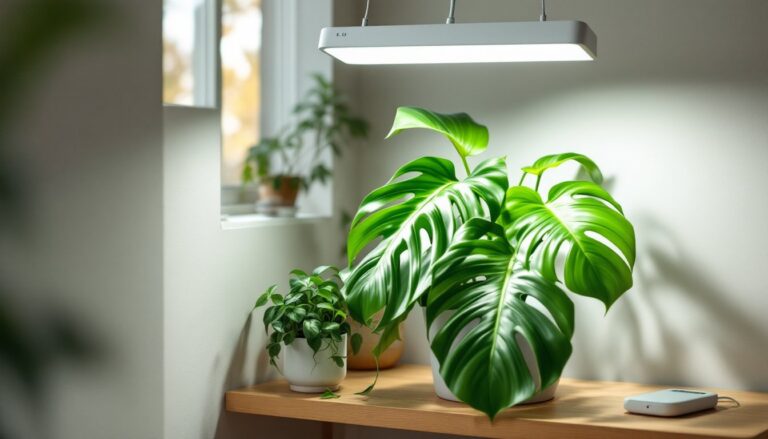
Assuming zero light works sets unrealistic expectations. “Low light” doesn’t mean “no light.” Plants need some photosynthesis to survive. If a room requires lights on at midday, it’s too dark for most hardy plants. Consider supplemental grow lights with a 6500K color temperature for 12-14 hours daily.
Skipping pest inspections allows infestations to establish. Even resistant plants occasionally attract pests. Check leaf undersides and stem joints monthly for webbing, sticky residue, or tiny insects. Early detection beats fighting an advanced infestation.
Using cold water straight from the tap shocks roots. Fill watering cans the night before and let water reach room temperature. This also allows chlorine to dissipate, which benefits sensitive root hairs.
Repotting too frequently stresses plants unnecessarily. Hardy species tolerate being slightly rootbound better than oversized pots that stay wet. Repot only when roots emerge from drainage holes or growth stalls even though proper care. Plant enthusiasts exploring broad leaf house plants often discover similar potting preferences across species.
Misting for humidity wastes effort and invites fungal issues. Water droplets sitting on leaves promote disease. If higher humidity is necessary (rare for hardy plants), use a humidifier or pebble tray instead.
Placing plants in decorative pots without acclimation causes shock. If moving a plant from a plastic nursery pot to ceramic or terra cotta, monitor watering frequency, porous materials dry soil faster than plastic. According to research on indoor plant care, gradual transitions prevent stress.
Ignoring seasonal changes confuses care routines. Winter brings shorter days and cooler temperatures that slow growth. Reduce watering frequency and skip fertilizer from October through March. Plants need a dormancy period to stay healthy long-term.
Forgetting to rotate pots causes lopsided growth. Plants grow toward light sources, creating uneven foliage. Rotate pots 90 degrees weekly to encourage balanced growth and prevent leaning.
Most failures with hardy indoor plants trace back to these preventable mistakes. Adjusting habits based on actual plant signals, wilting, yellowing, or slowed growth, beats following rigid schedules. Resources like The Spruce and Country Living offer additional troubleshooting guides for specific symptoms. For those interested in expanding beyond hardy varieties, exploring indoor tropical house plants or long leaf house plants provides next-level challenges without excessive difficulty.
Hardy plants forgive mistakes, but consistent basics, proper drainage, appropriate light, and restrained watering, keep them thriving for years with minimal intervention.