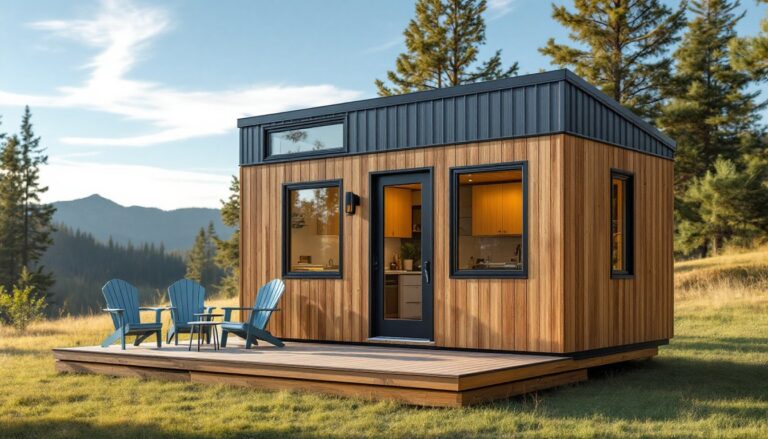
Getaway tiny houses are changing how people think about second homes, rental properties, and downsized living. These compact structures, typically under 400 square feet, offer a streamlined alternative to traditional cabins or guest houses, combining smart design with lower upfront costs and reduced maintenance. Whether you’re eyeing a rental income stream, a retreat for guests, or a personal escape on your own land, understanding the practical realities of getaway tiny houses is essential. This guide covers what makes them work, how to evaluate building versus buying, and the DIY upgrades that maximize functionality without sacrificing comfort.
Table of Contents
ToggleKey Takeaways
- Getaway tiny houses are foundation-based, code-compliant structures under 400 square feet that offer rental income potential of $75–$150 per night and significantly lower construction costs ($30,000–$80,000) compared to traditional guest houses.
- A well-designed getaway tiny house layout maximizes vertical space and functionality through lofts, pocket doors, and multi-functional furniture while adhering to IRC Appendix Q standards for ceiling height, loft access, and emergency egress.
- Essential amenities like mini-split heat pumps, tankless water heaters, two-burner induction cooktops, and compact refrigerators optimize comfort and efficiency in limited square footage without overwhelming electrical systems.
- The build-or-buy decision depends on your skill level: pre-built units ($40,000–$100,000+) offer warranties and compliance, shell kits ($15,000–$35,000) suit experienced DIYers, and custom builds provide maximum flexibility but demand 6–12 months and comprehensive construction knowledge.
- Check local zoning ordinances and ADU regulations before purchasing materials, as some jurisdictions prohibit tiny houses or classify them as RVs rather than permanent dwellings.
- DIY upgrades like built-in storage, fold-down furniture, LED lighting, and exterior decks enhance rental appeal and livability without major expense when prioritizing code compliance and structural integrity.
What Is a Getaway Tiny House?
A getaway tiny house is a small, self-contained dwelling designed for temporary or seasonal use, usually ranging from 100 to 400 square feet. Unlike mobile tiny homes built on trailers, most getaway models are foundation-based or skid-mounted structures intended to stay in one location. They’re built to code (or should be) and include sleeping, cooking, and bathroom facilities in a single compact footprint.
These units differ from park model RVs or manufactured tiny homes in key ways. Getaway tiny houses often follow the International Residential Code (IRC) Appendix Q for tiny houses, which sets minimum ceiling heights (6’8″ in most areas), loft access requirements, and emergency escape provisions. If the structure exceeds 400 square feet or connects to permanent utilities, local zoning may classify it as an accessory dwelling unit (ADU), triggering different permit requirements.
Most getaway designs prioritize natural light, durable finishes, and multifunctional furniture. They’re popular as Airbnb rentals, backyard guest suites, or off-grid retreats. Unlike glamping tents or yurts, they’re four-season structures with insulated walls and conventional HVAC.
Why Choose a Getaway Tiny House for Your Property
Adding a getaway tiny house to your property offers measurable financial and practical benefits, but it’s not a one-size-fits-all solution. Here’s what drives the decision:
Rental Income Potential: Platforms featuring tiny homes as short-term rentals show strong occupancy rates in rural and scenic locations. A well-designed unit in a desirable area can generate $75–$150 per night, depending on amenities and location. Factor in property management, cleaning, and insurance before projecting net income.
Lower Construction Costs: Building or buying a 200-square-foot getaway typically costs $30,000–$80,000, significantly less than constructing a full guest house or ADU. Material and labor costs vary by region, but the smaller footprint means less foundation work, fewer roof trusses, and reduced HVAC load.
Flexible Use Cases: Beyond rentals, these structures work as home offices, artist studios, or aging-in-place suites for family members. Zoning permitting, they add livable space without a full home addition.
Code and Permitting Hurdles: Not all municipalities allow tiny houses, even on private land. Some jurisdictions classify them as RVs (which can’t be permanent dwellings), while others require minimum square footage for habitable structures. Check local zoning ordinances and ADU regulations before purchasing materials or breaking ground. If utilities require a licensed plumber or electrician per local code, budget accordingly.
Design Features That Make Getaway Tiny Houses Functional
Space-Saving Layouts and Floor Plans
Efficient floor plans are the backbone of any successful getaway tiny house. Most designs follow one of three layouts: single-level with a sleeping alcove, loft-style with a ladder or stairs, or multi-room with a separate bedroom.
Single-level layouts work best for accessibility and aging guests. A Murphy bed or convertible sofa frees up daytime floor space. Plan for at least 88 square feet of usable floor area per IRC Appendix Q minimums, excluding lofts.
Loft designs maximize vertical space but require careful stair or ladder planning. IRC-compliant loft stairs need 20-inch-wide treads and at least 6’8″ headroom at the top. Ship ladders (steep stairs at 60–70 degrees) are common but challenging for older users or those carrying luggage.
Multi-room plans use pocket doors or sliding barn doors to separate sleeping areas from living spaces. Expect to lose 12–18 inches of wall space for pocket door frames. Standard 30-inch-wide doors are tight in tiny houses, consider 28-inch or bifold alternatives.
Kitchen galley layouts should place the sink, cooktop, and refrigerator within a 4-foot triangle for efficiency. Wall-mounted fold-down tables save floor space and double as prep surfaces.
Essential Amenities and Modern Appliances
Among the small space living ideas that translate well to tiny houses, appliance selection is critical. Oversized or power-hungry units strain limited electrical service and eat precious square footage.
Kitchens: A two-burner induction cooktop uses less power than electric coil burners and generates less ambient heat. Pair it with a 3–4 cubic foot refrigerator (not a dorm-style mini fridge, which lacks freezer capacity). Under-counter refrigerators like those used in wet bars fit standard 24-inch cabinet depths. Skip the full oven unless baking is essential, a countertop convection oven handles most tasks.
Bathrooms: Composting toilets eliminate the need for septic systems but require regular maintenance and local code approval (many jurisdictions still mandate flush toilets). Standard RV or marine toilets work if you’re connecting to a septic tank or sewer line. Plan for a 32×32-inch shower pan minimum: 36×36 inches is more comfortable. Tankless water heaters (propane or electric) save space and provide endless hot water but need adequate venting and electrical capacity (electric models draw 60–80 amps at 240V).
HVAC: Mini-split heat pumps are the go-to for tiny houses, offering heating and cooling in one unit. A 9,000 BTU mini-split handles most 200–400 square foot spaces. Install the indoor head unit high on a wall, away from direct sleeping areas to reduce noise. Supplement with a small vented propane heater in off-grid setups.
Electrical: Budget for a 100-amp service panel if running a tankless water heater, mini-split, and standard kitchen appliances. Smaller 50-amp RV-style panels work for propane heat and cooking but limit simultaneous appliance use. All electrical work should meet National Electrical Code (NEC) standards, hire a licensed electrician for the service connection and panel installation.
Building vs. Buying: Which Option Is Right for You?
The build-or-buy decision hinges on skill level, budget flexibility, and timeline.
Buying a Pre-Built Tiny House: Turnkey models from manufacturers range from $40,000 to $100,000+ depending on size and finishes. You’ll get a code-compliant structure with a warranty, but customization is limited. Delivery costs add $2,000–$5,000 for most regions. Confirm the manufacturer builds to IRC Appendix Q or your local code, some companies build to RV standards, which may not pass inspection as permanent dwellings.
Buying a Shell: Shell kits (framed walls, roof, windows, and doors) cost $15,000–$35,000. You handle insulation, interior finishes, electrical, and plumbing. This suits experienced DIYers comfortable with framing and finish carpentry. Budget 200–400 hours of labor for a 200-square-foot shell finish-out.
Building from Scratch: A DIY build offers maximum customization and potential savings but demands comprehensive skills. Expect to spend $20,000–$50,000 on materials for a basic 200-square-foot structure, plus tool costs. Key challenges include:
- Foundation: Skid foundations (pressure-treated 6×6 runners on gravel) work for temporary structures but may not meet code for permanent dwellings. Concrete piers or slab-on-grade foundations add $2,000–$5,000.
- Framing: Use 2×4 studs at 16-inch on-center spacing for walls. Roof trusses for tiny houses often require custom fabrication, pre-engineered trusses from a lumber yard cost $200–$500 for a small structure.
- Permits: Most jurisdictions require permits for electrical, plumbing, and structural work. Budget $500–$2,000 for permit fees and inspections.
Safety Note: Structural work involving load-bearing walls or roof framing may require a licensed contractor or engineer-stamped plans in some areas. If you’re unsure whether a wall is load-bearing, consult a structural engineer before cutting or removing studs.
Whichever route you choose, plan for a 6–12 month timeline from planning to occupancy, accounting for permitting delays and weather.
DIY Projects to Enhance Your Getaway Tiny House
Once your getaway tiny house is functional, strategic DIY upgrades improve comfort and rental appeal without major expense.
Built-In Storage: Dead space under stairs, benches, and beds is prime real estate. Build pull-out drawers using 1/2-inch plywood and full-extension drawer slides rated for 100 lbs. For under-stair storage, cut access doors along the stringer line and add piano hinges for clean, flush access.
Fold-Down Furniture: Wall-mounted desks and tables free up floor space. Use heavy-duty folding shelf brackets rated for 150+ lbs. Secure brackets into wall studs (not just drywall anchors). A 24×36-inch fold-down table works as a dining surface or workspace.
Custom Shelving: Open shelving makes small spaces feel larger than closed cabinets. Use 3/4-inch hardwood or plywood for shelves spanning more than 24 inches. Adjustable shelf pins let you reconfigure storage as needs change. Many home design ideas emphasize vertical storage to keep floors clear.
Lighting Upgrades: Swap builder-grade fixtures for dimmable LED recessed cans or track lighting. Install dimmer switches (ensure they’re LED-compatible) to adjust ambiance. Under-cabinet LED strips in the kitchen improve task lighting and add visual depth.
Exterior Deck or Patio: A small 8×10-foot deck extends usable living space. Build with pressure-treated 2×6 decking on 2×8 joists spaced 16 inches on center. Use galvanized joist hangers and exterior-grade deck screws (not nails). Check local frost depth requirements for footings, most codes require footings below the frost line to prevent heaving.
Ventilation Improvements: Add a bath fan vented to the exterior (not into the attic or crawl space) to control moisture. Use a fan rated for at least 50 CFM for bathrooms under 50 square feet. Install a timer switch so it runs for 10–15 minutes after showers.
Safety Gear: For all these projects, wear safety glasses when cutting lumber, hearing protection for power tools, and a dust mask when sanding or working with insulation. Keep a fire extinguisher rated for A-B-C fires near the kitchen and electrical panel.
These upgrades are manageable weekend projects for intermediate DIYers. Prioritize structural integrity and code compliance over aesthetics, rental guests and long-term occupants alike notice the difference.