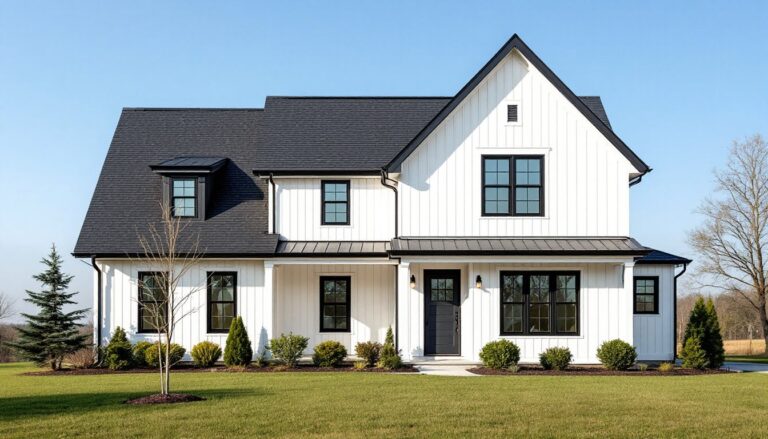
First impressions matter, and your home’s exterior walls are a blank canvas waiting for personality. While most homeowners focus on landscaping and front door upgrades, the vertical real estate on your home’s exterior offers untapped potential for creative expression and curb appeal. Whether you’re dealing with a plain stucco facade, vinyl siding, or exposed brick, adding thoughtful decor can transform a forgettable exterior into a neighborhood standout. This guide covers materials, installation techniques, and maintenance strategies to help you enhance your home’s exterior walls with confidence.
Table of Contents
ToggleKey Takeaways
- Exterior wall decor enhances curb appeal and property value while creating focal points that draw attention away from less attractive features like utility boxes and foundation vents.
- Choose weather-resistant materials such as powder-coated metal, treated cedar, composite materials, or stone that can withstand sun, rain, UV exposure, and freeze-thaw cycles.
- Vertical gardens, metal sculptures, painted murals, and oversized house numbers are creative exterior wall decor ideas that add personality and visual depth to flat facades.
- Always anchor heavy wall decor items to wall studs using exterior-grade screws, seal all penetrations with silicone caulk to prevent water infiltration, and use corrosion-resistant hardware.
- Maintain exterior wall decor seasonally by inspecting hardware, pressure-washing pieces, trimming overgrown plants, touching up paint, and resealing wood to keep installations looking sharp year-round.
Why Exterior Wall Decor Matters for Your Home
Curb appeal directly affects property value, studies consistently show homes with strong visual presence sell faster and for higher prices. But exterior wall decor does more than boost resale potential.
Thoughtfully chosen wall elements create focal points that draw the eye away from less attractive features like utility boxes, foundation vents, or HVAC units. They add depth and dimension to flat facades, breaking up monotonous siding or stucco expanses that can make a home feel one-dimensional.
Outdoor wall decor also extends your living space visually. A well-placed metal sculpture or vertical garden signals that the exterior is as intentional as the interior, creating continuity between indoor and outdoor zones. For homes with covered porches or protected alcoves, wall decor can define these transitional spaces and make them feel more furnished and welcoming.
Finally, exterior decor reflects personal style in a way that paint color alone can’t achieve. It’s an opportunity to signal whether your home leans traditional, modern, rustic, or eclectic, without committing to a full-scale renovation.
Best Materials for Outdoor Wall Decorations
Choosing materials that withstand sun, rain, freeze-thaw cycles, and UV exposure is non-negotiable for exterior wall decor. Here’s what holds up and what doesn’t.
Metal (aluminum, steel, powder-coated iron): Durable and low-maintenance. Powder-coated finishes resist rust and fading. Steel and wrought iron work well for traditional or farmhouse styles, while brushed aluminum suits modern aesthetics. Avoid raw or untreated metals in coastal or high-humidity areas, they’ll corrode quickly.
Cedar and treated wood: Natural wood adds warmth but requires sealing or staining every 1–2 years. Cedar resists rot better than pine and holds up in damp climates. For dimensional elements like shutters, brackets, or trellises, use pressure-treated lumber rated for ground contact if the piece will be near soil or splashback zones.
Composite materials: Wood-plastic composites (like Trex or TimberTech) mimic wood grain without the maintenance. They don’t warp, crack, or need annual sealing. Good for decorative panels, trellises, or faux shutters.
Stone and tile: Mounted stone veneer, ceramic tiles, or mosaic panels can handle weather extremes. Use Type 1 mastic or thin-set mortar rated for exterior use, and seal grout lines annually to prevent water infiltration. Heavy stone may require ledger board support anchored to studs.
Resin and PVC: Lightweight and affordable, resin wall art resists moisture but can become brittle in extreme cold. PVC decorative elements won’t rot or rust, but they lack the heft and authenticity of natural materials. Best for covered areas or mild climates.
Outdoor fabric and metal wall planters: UV-resistant fabrics (Sunbrella or similar) work for vertical garden pockets. Metal planters should have drainage holes and be mounted with corrosion-resistant hardware.
Creative Exterior Wall Decor Ideas That Make an Impact
Vertical Gardens and Living Walls
Vertical gardens transform bare walls into lush, living focal points. They’re especially effective on narrow side yards, privacy walls, or patio backdrops where horizontal space is limited.
Start with a modular pocket planter system or build a simple wooden grid frame (use 1×2 or 1×3 cedar slats spaced 6–8 inches apart). Mount the frame to wall studs using galvanized lag screws (minimum 3 inches into the stud), and attach planter pockets with stainless steel hooks or zip ties.
Choose plants suited to your wall’s sun exposure. Full-sun walls handle succulents, sedums, and trailing rosemary. Shaded walls suit ferns, hostas, or ivy. Install a drip irrigation line if the wall is large or hard to reach, hand-watering a 4×6-foot vertical garden gets old fast.
For a budget-friendly alternative, mount individual galvanized metal buckets or terracotta pots on a reclaimed wood pallet. Pallets work as vertical garden frames if you reinforce them with horizontal cross-bracing and treat the wood with exterior sealer.
If your wall gets minimal sun and you want greenery without the hassle, consider low-maintenance options featured in guides on pony walls that incorporate built-in planters for year-round structure.
Outdoor Art, Murals, and Metal Sculptures
Outdoor art adds personality without the upkeep of living plants. Metal wall sculptures, think sunbursts, abstract geometric shapes, or animal silhouettes, create strong visual impact and cast dynamic shadows as light shifts throughout the day.
When selecting metal art, match the finish to your home’s style. Matte black powder coat works with modern and industrial exteriors. Rustic Corten steel (which develops a stable rust patina) fits farmhouse or craftsman homes. Polished copper or brass accents suit traditional or Mediterranean styles.
For a painted mural, choose 100% acrylic exterior paint with UV inhibitors. Prep the wall by pressure-washing and priming with a bonding primer (especially on vinyl siding or glossy finishes). Seal the finished mural with a clear, UV-resistant topcoat rated for exterior masonry or siding.
Murals work best on protected walls, garage sides, covered patios, or recessed entry alcoves. Full-sun exposure will fade even quality paint within 3–5 years. If you’re not confident painting freehand, use a projector to trace your design, or hire a local muralist.
Other impactful ideas include oversized house numbers in dimensional metal or wood, decorative shutters (functional or decorative), vintage window frames repurposed as wall art, or collections of weatherproof mirrors to reflect garden views. Homes in regions covered by Southern Living often incorporate wraparound porch elements and decorative screens that double as art and privacy features.
Installation Tips for Exterior Wall Decor
Proper installation prevents damage to siding, ensures decor stays put during storms, and avoids water intrusion that can rot sheathing or framing.
Locate studs. Always anchor heavy items (over 10 pounds) to wall studs, not just siding or sheathing. Use a stud finder or the knock-test method (studs are typically 16 inches on center). For metal sculptures or wood panels, use #10 or #12 exterior-grade screws at least 2.5 inches long.
Seal penetrations. Every screw hole is a potential water entry point. Apply a small bead of clear silicone caulk or butyl sealant around screw heads and hardware. On vinyl or fiber cement siding, avoid over-tightening screws, leave about 1/16 inch of play to allow for thermal expansion.
Use the right hardware. Stainless steel or galvanized fasteners resist corrosion. Avoid uncoated nails or screws, which rust and stain siding. For masonry walls (brick, concrete, stucco), use Tapcon screws or plastic anchors rated for outdoor use.
Consider standoffs. Mounting decor with spacers or standoffs (small blocks or tubes that hold the piece 1–2 inches off the wall) improves airflow, reduces mildew, and creates a shadow-gap effect that adds depth. You can use PVC spacers, nylon washers, or purpose-built standoff mounts.
Plan for drainage. If mounting planters or anything that traps water, add drainage holes and tilt the piece slightly forward so water doesn’t pool against the wall.
Check local codes. In some jurisdictions, permanent exterior alterations (including large murals or structural mounting brackets) may require permits, especially in historic districts or HOA-governed communities. Most decorative wall hangings don’t trigger permits, but it’s worth a quick call to your building department if you’re installing something large or drilling into load-bearing walls.
Safety first. Wear safety glasses when drilling into masonry or siding (chips fly). Use a sturdy ladder with a standoff stabilizer if working above shoulder height. For second-story installations, consider hiring a pro or renting scaffolding.
Maintaining Your Outdoor Wall Decorations Through the Seasons
Exterior decor faces harsh conditions year-round. A little seasonal upkeep extends lifespan and keeps everything looking sharp.
Spring: Inspect all mounting hardware for rust, loosening, or sealant failure. Tighten screws and replace corroded fasteners. Pressure-wash metal and resin pieces (use low pressure, 1,500 PSI max, to avoid damage). Trim back overgrown plants in vertical gardens and refresh soil or compost in planter pockets.
Summer: Check for fading on painted murals or wood elements. Touch up paint or apply a fresh coat of UV-resistant sealer. Water vertical gardens regularly, daily in hot, dry climates. Deadhead flowers and prune trailing plants to maintain shape.
Fall: Remove debris (leaves, cobwebs) from crevices and drainage holes. In regions with freeze-thaw cycles, empty planter pockets or bring tender plants indoors. Reseal wood elements before winter to prevent moisture infiltration and cracking. For ideas on managing outdoor spaces through seasonal transitions, resources like Sunset offer region-specific garden and decor maintenance guides.
Winter: Secure or remove lightweight decor if you’re in a high-wind or heavy-snow area. Metal sculptures can stay year-round, but fabric elements and delicate resin pieces should come down. Check for ice damming or snow buildup that could stress mounting brackets.
Annual tasks: Re-caulk screw penetrations, inspect for wood rot or rust, and reapply exterior sealant to natural wood. Replace faded or cracked resin pieces. Clean metal with a mild detergent and soft brush, avoid abrasive pads that scratch powder coating.
By treating exterior wall decor as permanent fixtures that need regular care, you’ll avoid the deterioration that turns a design asset into an eyesore. A little attention each season keeps your walls looking intentional and well-maintained.