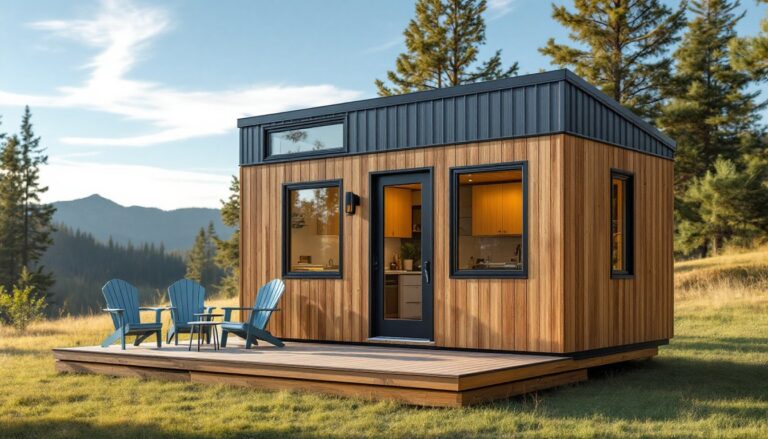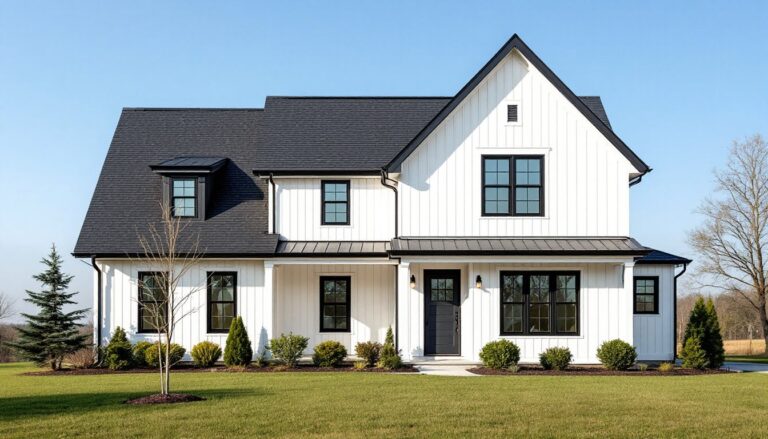
Gothic design and tiny house living might seem like unlikely partners, but they’re converging in unexpected ways. Builders and DIYers are trading rustic shiplap for pointed arches, wrought iron, and moody palettes, all within footprints under 400 square feet. The appeal? Gothic aesthetics bring drama, vertical interest, and psychological depth to compact spaces that often feel cluttered or generic. If you’re drawn to Victorian-era detailing, cathedral ceilings, and a dose of theatrical flair, a gothic tiny house isn’t just viable, it’s a clever way to maximize architectural impact without expanding the floor plan.
Table of Contents
ToggleKey Takeaways
- A gothic tiny house uses pointed arches, dark color palettes, and vertical architectural elements to create dramatic impact within spaces under 400 square feet.
- Vertical emphasis through tall narrow windows and steep roof pitches (12:12 or steeper) makes small footprints feel more spacious without expanding the floor plan.
- Gothic tiny house design relies on layered lighting, wrought iron fixtures, and strategic use of saturated colors like charcoal, burgundy, and forest green to build mood and atmosphere.
- Budget $30,000–$60,000 for a DIY gothic tiny house, with costs driven by custom windows, ornamental metalwork, and premium materials like walnut or exposed brick.
- Double-duty decor—such as wrought iron coat racks and wooden trunks—maximizes function while reinforcing the gothic aesthetic in limited square footage.
- Proper insulation (walls R-13+, ceilings R-30+), double-pane low-E windows, and dimmer switches are essential to balance dark gothic interiors with energy efficiency and comfort.
What Defines a Gothic Tiny House?
At its core, a gothic tiny house borrows architectural and decorative elements from Gothic Revival and medieval European design, scaled down for dwellings typically between 100 and 400 square feet. Think pointed arch windows, exposed dark timber framing, steeply pitched roofs, and rich, shadowy color schemes. Unlike traditional tiny homes that lean heavily on Scandinavian minimalism or farmhouse charm, gothic tiny houses prioritize mood and ornamentation.
Key characteristics include:
- Vertical emphasis: Tall, narrow windows (lancet or ogee arch shapes) draw the eye upward, making ceilings feel higher than they are.
- Dark or saturated finishes: Deep charcoal, burgundy, forest green, or matte black on walls, cabinetry, and trim.
- Ornamental metalwork: Wrought iron hardware, candle-style light fixtures, and decorative hinges.
- Textural contrast: Velvet, leather, aged wood, stone tile, or brick accent walls alongside smooth plaster or painted surfaces.
This style works particularly well in tiny houses because verticality and bold color can compensate for limited square footage. A 10-foot ceiling with a pointed arch window feels more spacious than an 8-foot flat ceiling, even in a 200-square-foot footprint. Many modern prefab homes experiment with unconventional aesthetics in compact formats, and gothic styling is finding its niche among DIYers who want something beyond the typical tiny house aesthetic.
Essential Gothic Design Elements for Small Spaces
Color Palettes and Materials
Gothic color schemes revolve around depth and contrast. Start with a dominant dark neutral, charcoal gray (Sherwin-Williams Iron Ore or Benjamin Moore Onyx), deep plum, or matte black, for walls or cabinetry. Pair this with accent colors: oxblood red, hunter green, or antique gold in textiles, tile backsplashes, or stained glass inserts.
Material choices matter:
- Wood: Use walnut, mahogany, or stained pine for flooring, beams, and trim. Avoid light or honey-toned woods: they’ll clash with the palette.
- Stone or brick: A partial exposed brick wall (real thin brick or faux panels) adds medieval texture. Slate or dark ceramic tile works well in kitchens and baths.
- Metal finishes: Oil-rubbed bronze, blackened steel, or wrought iron for cabinet pulls, door handles, and curtain rods. Skip brushed nickel or chrome.
Paint coverage for tiny houses is modest, expect 300-400 square feet of wall surface per gallon depending on texture and primer. Use a high-quality primer (Zinsser Bulls Eye 1-2-3 or similar) under dark colors to prevent streaking and reduce the number of topcoats.
Architectural Features That Maximize Gothic Impact
Gothic architecture relies on verticality and ornamentation. In a tiny house, you can’t build flying buttresses, but you can incorporate scaled-down details that deliver the same visual punch.
Pointed arch openings: Frame doorways or interior pass-throughs with pointed arches. Build these using 1×6 or 1×8 pine cut to a gentle point (30-45 degrees) and finished with stain or paint. This is purely cosmetic, structural framing remains standard 2×4 or 2×6 studs behind the trim.
Steep roof pitch: A 12:12 or steeper pitch (12 inches of rise per 12 inches of run) evokes Gothic cathedrals and creates usable loft space. Check local codes: some jurisdictions require engineered trusses for pitches over 10:12. If building on a trailer, ensure your ridge height stays under 13’6″ total to remain road-legal without special permits.
Tall, narrow windows: Custom or semi-custom arched windows are available from suppliers like Marvin or Pella, but they’re pricey. A DIY workaround: use standard rectangular windows and build pointed arch trim surrounds from 1× material. Install faux leading (zinc came or adhesive lead tape) to mimic stained glass, or order custom stained glass panels sized to fit standard window openings.
Exposed ceiling beams: If your design allows cathedral ceilings, add decorative beams (real 2×6 lumber or lightweight faux beams) stained dark. Space them 24-36 inches on center for a ribbed vault effect. Advanced framing techniques can help you achieve cathedral ceilings without compromising insulation or structural integrity.
Creating Atmosphere with Gothic Lighting and Decor
Lighting in a gothic tiny house should feel layered, warm, and dramatic, never clinical or flat. Overhead LED panels will kill the mood. Instead, combine multiple light sources at varying heights.
Fixture types:
- Wrought iron chandeliers or pendant lights: Look for candelabra-style fixtures with Edison bulbs (40-60 watts equivalent LED). Hang pendants 30-36 inches above counters or tables.
- Wall sconces: Mount at 60-66 inches above finished floor in hallways, beside mirrors, or flanking alcoves. Choose designs with cage or lantern shapes in black or bronze.
- Candlelight (real or LED): Pillar candles in wrought iron holders, lanterns, or wall-mounted candelabras add flicker and shadow play. Use battery-operated LED candles for safety in confined spaces.
Dimmers are non-negotiable. Install dimmer switches (Lutron Diva or Leviton) on all overhead and accent lighting. This lets you shift from functional task lighting during the day to low, moody ambiance at night.
For decor, prioritize texture and verticality over clutter. A single ornate mirror with a carved wooden frame will do more than a gallery wall. Velvet throw pillows, blackout curtains in heavy damask or brocade, and wrought iron wall hooks for hanging planters or lanterns all reinforce the aesthetic. Keep surfaces clear, gothic design thrives on negative space punctuated by a few bold statement pieces.
In small space living scenarios, every decorative choice should serve double duty: a wrought iron coat rack is both functional and atmospheric: a vintage wooden trunk provides storage and serves as a coffee table.
Practical Considerations for Building Your Gothic Tiny House
Building a gothic tiny house involves the same structural and code requirements as any other tiny house, with a few style-specific challenges.
Framing and structure: Most tiny houses on trailers use 2×4 or 2×6 wall framing on 16-inch centers, built atop a steel trailer with a treated wood deck. If you’re planning a steep roof pitch or heavy decorative elements (real stone veneer, cast iron fixtures), consult a structural engineer to verify your trailer’s Gross Vehicle Weight Rating (GVWR) can handle the load. A typical 20-foot tandem-axle trailer supports 10,000-14,000 pounds: factor in framing, roofing, and finishes.
Windows and insulation: Dark interiors absorb light, so maximize natural light with oversized or multiple windows, but don’t sacrifice thermal performance. Use double-pane, low-E glass (U-factor ≤ 0.30) to meet energy codes and prevent condensation. Insulate walls to at least R-13 (fiberglass batts or spray foam) and ceilings to R-30 or higher. Dark colors absorb heat, so proper insulation and ventilation are critical in summer.
Electrical and lighting: Plan your electrical layout early. Gothic lighting often requires multiple circuits: one for overhead fixtures, one for wall sconces, and dedicated circuits for kitchen and bath. Hire a licensed electrician if you’re unfamiliar with the National Electrical Code (NEC), especially for 30- or 50-amp service to a trailer. Permits vary by jurisdiction: some areas require inspections even for DIY builds.
Permits and zoning: If you’re building on a foundation (not a trailer), expect to pull building permits and comply with International Residential Code (IRC) minimums for ceiling height (6’8″ in habitable rooms, 6’4″ in bathrooms), egress windows, and smoke/CO detectors. Tiny houses on wheels often skirt some codes by registering as RVs, but this limits where you can legally park long-term. Check local zoning before you start framing.
Safety gear: Cutting pointed arch trim, installing steep roofing, and handling metal fixtures all demand PPE. Wear safety glasses, work gloves, and a dust mask when cutting or sanding wood. Use a harness and fall protection if working on a roof pitch steeper than 6:12. Ear protection is essential when running circular saws or miter saws for extended periods.
Cost estimates: Budget $30,000-$60,000 for a DIY gothic tiny house, depending on size, finishes, and whether you hire out electrical or plumbing. Custom windows, wrought iron fixtures, and quality stains add up quickly. Pricing fluctuates with lumber and metal markets, and costs vary by region, expect higher material prices in remote areas or high-demand metro markets.
Conclusion
A gothic tiny house proves that compact living doesn’t have to mean minimalist or neutral. With careful attention to verticality, color, and ornamentation, builders can create spaces that feel both intimate and grand. The key is balancing drama with function, every pointed arch, every wrought iron hinge, every velvet cushion should earn its place. Approach the build like any other structural project: respect load limits, follow code, and don’t skip the prep work. The result is a home that’s equal parts sanctuary and stage set.