A black roof is a commitment, and a powerful design anchor. Unlike neutral browns or grays that fade into the background, a black roof demands intentional exterior color choices. Get it right, and it frames the home with crisp contrast and modern edge. Get it wrong, and the whole facade can feel heavy, mismatched, or flat. The good news? Black roofs are remarkably versatile, working equally well with classic white farmhouses, contemporary charcoal panels, and warm brick exteriors. This guide walks through proven color schemes that maximize curb appeal, whether the goal is timeless elegance or bold modern drama.
Table of Contents
ToggleKey Takeaways
- Black roofs create powerful visual contrast that frames homes effectively, making intentional exterior color choices critical to avoid a heavy or mismatched appearance.
- Classic white or cream siding paired with black roofs delivers crisp, timeless farmhouse and traditional aesthetics, especially when accented with black trim and doors for layered depth.
- Gray siding offers the most forgiving color pairing for black roof house color schemes, allowing you to vary tones and textures while maintaining architectural definition without stark contrast.
- Dark, saturated colors like navy blue and deep green create bold, modern designs with black roofs, but require crisp white or cream trim to prevent the facade from reading as a single dark mass.
- Warm earthy tones such as tan, sage, and olive soften black roofs’ intensity while suiting ranch and mountain settings; always test paint samples on large boards across different times of day before committing.
- Black architectural shingles remain the most durable and practical roofing choice, covering 80% of residential roofs with 30–50-year warranties, though proper attic ventilation is essential in hot climates to manage the 20–30°F temperature increase.
Why Black Roofs Are a Popular Choice for Modern Homes
Black asphalt shingles remain the most common roofing material in North America, covering roughly 80% of residential roofs. Beyond sheer availability and cost, typically $3.50 to $5.50 per square foot installed for architectural shingles, black roofs deliver practical and aesthetic benefits that lighter colors can’t match.
Heat absorption is both a pro and a con. In colder climates, black roofs help melt snow faster, reducing ice dam risk. In hot regions, they increase attic temperatures by 20–30°F compared to white or light gray roofs, so proper attic ventilation and insulation (R-38 to R-60, depending on climate zone) become critical. Check local energy codes, some jurisdictions now require cool roofing in certain climate zones.
Durability and dirt camouflage give black roofs an edge. Algae stains, leaf debris, and weathering show less on dark shingles than on tan or beige. Most black architectural shingles carry a 30- to 50-year warranty and include algae-resistant copper granules, especially in humid regions.
From a design standpoint, black roofs create strong visual contrast that sharpens lines and highlights architectural details, dormers, gables, trim work. That contrast is what makes color pairing so important. The roof becomes a frame: the siding and trim are the canvas.
Classic Color Combinations That Complement Black Roofs
White and Cream Exteriors with Black Roofs
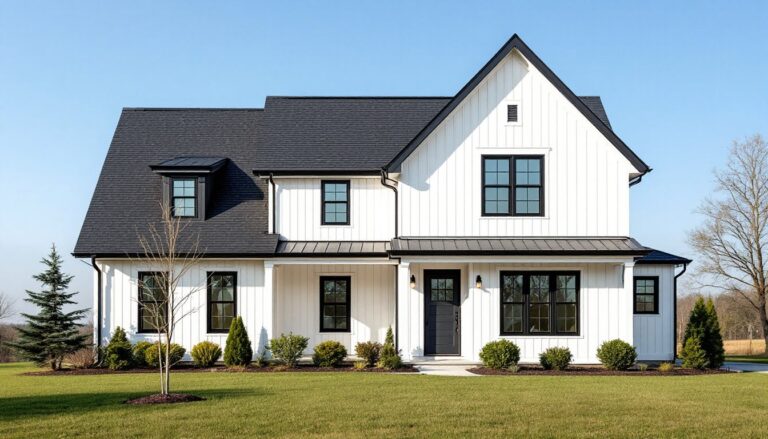
White clapboard or fiber cement siding paired with a black roof is the gold standard for traditional and farmhouse styles. The high contrast reads as crisp and clean, especially when paired with black or dark bronze shutters and trim. Use a true white (like Sherwin-Williams Pure White or Benjamin Moore Chantilly Lace) for modern farmhouse vibes, or a warmer cream (SW Alabaster, BM White Dove) for a softer, more historic look.
Trim and accent strategy matters. White-on-white exteriors with black roofs benefit from dimensional contrast, consider black window frames, a black or navy front door, and dark gutters and downspouts. This approach has been featured in dozens of exterior design galleries showcasing how layered contrast elevates curb appeal.
For siding materials, fiber cement or engineered wood (like James Hardie or LP SmartSide) hold paint longer than vinyl and handle UV exposure better in direct sun. Expect to repaint every 10–15 years versus 7–10 for wood. If the home has brick, white-painted brick with a black roof delivers a Georgian or Colonial aesthetic, though keep in mind painted brick is a permanent decision, stripping paint later is labor-intensive and damages the surface.
Gray and Charcoal Siding Options
Gray is the most forgiving partner for black roofs, offering contrast without the starkness of white. Light to medium grays (SW Repose Gray, BM Stonington Gray) work well on Craftsman, ranch, and contemporary builds, while deep charcoal (SW Iron Ore, BM Kendall Charcoal) leans modern and monochromatic.
For a successful gray-and-black scheme, vary the tones and textures. Pair a light gray horizontal siding with black standing-seam metal roofing and dark gray or black trim. Or reverse it, charcoal board-and-batten siding with a traditional black asphalt roof and white or pale gray trim for contrast. Avoid matching the siding too closely to the roof: a near-match can flatten the facade and erase depth.
Stone and brick accents anchor gray exteriors beautifully. Natural stone veneer in gray, blue-gray, or charcoal tones ties the palette together without introducing competing colors. Manufactured stone is lighter and easier to install than full-thickness stone, but verify it’s rated for exterior freeze-thaw cycles if the project is in a cold climate (ASTM C1670 compliance).
Bold and Modern Color Schemes for Black Roofs
Navy Blue and Deep Green Exteriors
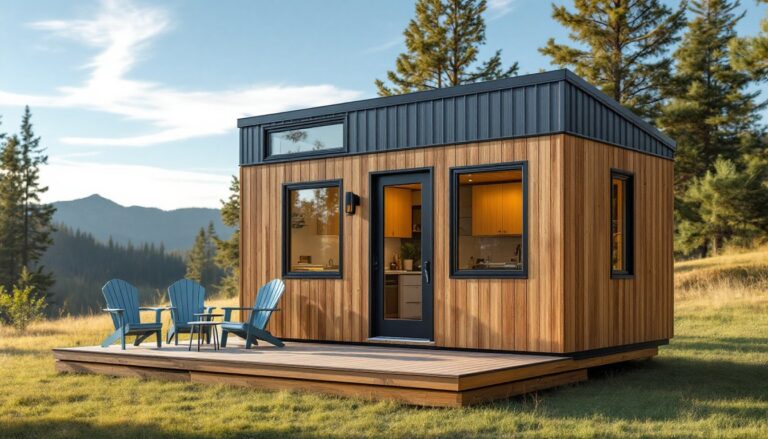
Dark, saturated colors are having a moment, and black roofs handle them with ease. Navy blue siding (SW Naval, BM Hale Navy) creates a sophisticated, almost nautical look, especially on Colonial, Cape Cod, or modern shed-style homes. Pair with crisp white trim, black gutters, and a red or natural wood front door for a classic New England vibe. Black window frames reinforce the modern edge.
For regions seeking a more design-forward approach, deep green (SW Jasper, BM Hunter Green, or even black-green like BM Essex Green) delivers richness without feeling heavy. These tones work exceptionally well in wooded or rural settings where the home blends with surrounding foliage. White or cream trim provides necessary contrast: without it, the home can read as a single dark mass.
Application tips: Dark colors absorb more UV and show imperfections, chalking, fading, and surface prep issues, faster than lighter hues. Use a high-quality 100% acrylic exterior paint with UV inhibitors, and make sure the substrate is clean, dry, and properly primed. For fiber cement, a bonding primer (like SW PrepRite ProBlock) improves adhesion and longevity. Budget for repainting every 8–12 years, depending on sun exposure.
Accent with natural materials. Wood garage doors, stone foundations, and metal railings in black or bronze add texture and break up large expanses of color. Avoid bright or pastel accents, they clash with the moody palette.
Warm Earthy Tones That Work with Black Roofs
Not every black roof scheme needs high contrast. Warm neutrals, tans, taupes, warm grays, and muted greens, create a grounded, organic look that suits ranch homes, Mediterranean styles, and mountain or desert settings.
Tan and beige siding (SW Accessible Beige, BM Shaker Beige) softens the black roof’s intensity without losing definition. These tones work especially well with natural stone or brick accents in warm brown, tan, or rust. Pair with oil-rubbed bronze or black hardware, and consider a wood or stained front door in walnut or mahogany for warmth.
Sage, olive, and muted greens bring an earthy, understated elegance. Colors like SW Clary Sage or BM October Mist look natural in wooded or landscaped settings and pair beautifully with black or dark brown roofs. White trim keeps the palette from feeling too muted: cream or tan trim leans more organic but requires careful balance to avoid a washed-out look.
When working with warm tones, test samples in natural light. Paint colors shift dramatically between morning and afternoon sun, and what looks beige in the can may read pink or yellow on the wall. Paint large sample boards (at least 2′ × 2′) and view them on all sides of the house at different times of day before committing.
For those hunting inspiration or professional design examples, platforms like Houzz feature thousands of completed projects with black roofs and warm palettes, complete with material specs and contractor notes. It’s a practical starting point for narrowing down tones and trim combinations before picking up a brush or calling a painter.