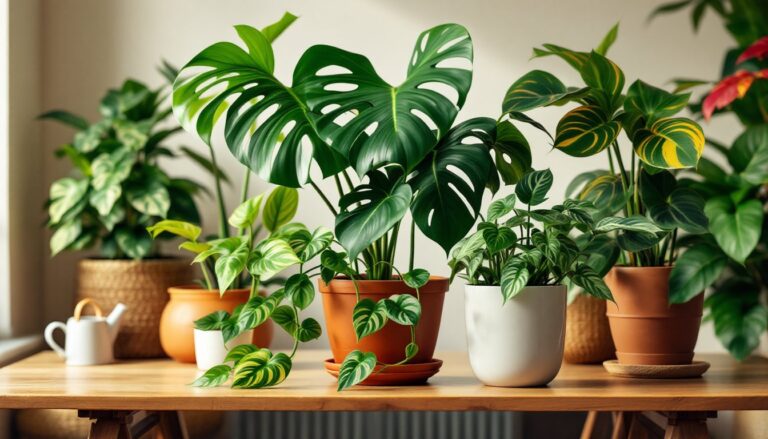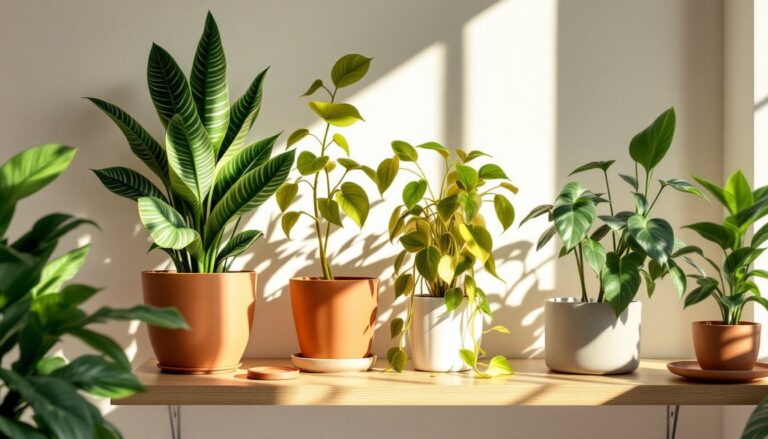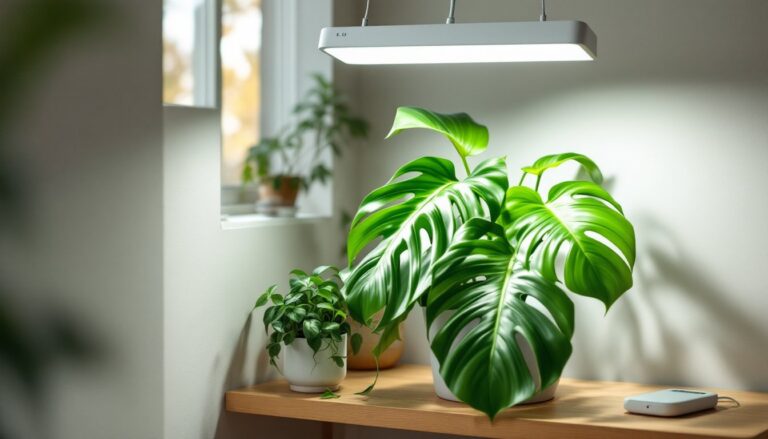
Homeowners juggling renovation projects, weekend DIY work, and daily life don’t always have time to fuss over finicky houseplants. The good news? Several indoor plants actually prefer a hands-off approach. These resilient varieties tolerate irregular watering, low light, and less-than-perfect conditions, making them ideal for anyone who wants greenery without the guilt trip.
This guide covers seven genuinely low-maintenance indoor plants that deliver on durability and visual appeal. No miracle products or daily misting schedules required. Just practical advice on which plants survive real-world neglect and how to set them up for success from day one.
Table of Contents
ToggleKey Takeaways
- Easy indoor plants to take care of, like snake plants and pothos, tolerate low light, irregular watering, and neglect, making them perfect for busy homeowners juggling multiple projects.
- Overwatering is the leading cause of houseplant failure; low-maintenance indoor plants thrive when allowed to dry out completely between waterings.
- Snake plants, ZZ plants, and spider plants store water in their leaves or rhizomes, enabling them to survive weeks or months without water, while pothos signals when thirsty through drooping leaves.
- Peace lilies and cast iron plants excel in low-light spaces like basements and north-facing corners, delivering tropical aesthetics without demanding bright, direct sunlight.
- Most low-maintenance houseplants improve indoor air quality by filtering VOCs from paints and finishes, providing a practical bonus during renovations without requiring extra care.
Why Low-Maintenance Indoor Plants Are Perfect for Busy Homeowners
Most plant failures aren’t about a lack of care, they’re about too much care. Overwatering kills more houseplants than underwatering ever will. Low-maintenance plants thrive because they’ve evolved to handle drought, low light, and nutrient-poor soil in their native environments.
For homeowners already managing paint schedules, appliance repairs, or deck builds, these plants fit seamlessly into a busy routine. They don’t demand daily attention, they tolerate missed waterings, and many actually suffer when owners get overzealous with the watering can.
Another practical benefit: these plants often improve indoor air quality without adding extra work. While they won’t replace a proper ventilation system, they do filter common VOCs (volatile organic compounds) found in paints, finishes, and building materials, a nice bonus if you’re mid-renovation.
Before bringing any plant home, check its light requirements against your actual window exposure. “Low light” doesn’t mean no light. Most of these plants need at least indirect natural light for a few hours daily. If you’re working with a basement or interior room with zero windows, you’ll need to add a grow light on a timer.
Snake Plant (Sansevieria): The Nearly Indestructible Favorite
Snake plants (also called Sansevieria or mother-in-law’s tongue) are the gold standard for neglect tolerance. They handle low light, irregular watering, and temperature swings without complaint. Their upright, sword-shaped leaves store water, so they can go weeks, sometimes a month, between waterings.
These plants work well in bedrooms, home offices, or any corner that doesn’t get direct sun. They’re one of the few houseplants that can tolerate the dry air from forced-air heating systems common in most homes.
Care basics:
- Water only when the soil is completely dry, typically every 2-3 weeks in winter, every 10-14 days in summer.
- Use a well-draining potting mix. Standard cactus/succulent mix works perfectly.
- Avoid overwatering, root rot is the main killer. If leaves turn yellow and mushy at the base, you’re watering too often.
- Snake plants tolerate low light but grow faster in bright, indirect light.
For anyone starting their journey with house plants for beginners, snake plants deliver consistent results with minimal input. They also propagate easily: cut a leaf into 3-inch sections, let the cut ends callus for a day, then stick them in moist soil.
Pothos: The Forgiving Trailing Plant for Any Room
Pothos (Epipremnum aureum) earns its reputation as one of the most adaptable houseplants. It tolerates low light, fluorescent office lighting, and even occasional neglect. The trailing vines look great on shelves, in hanging baskets, or trained up a moss pole.
Pothos signals when it needs water, the leaves droop noticeably, then perk back up within hours of watering. This makes it nearly impossible to kill from underwatering, though overwatering can still cause root rot.
Care basics:
- Water when the top 1-2 inches of soil feel dry. In most homes, that’s about once a week.
- Pothos grows in almost any light except total darkness. It’ll survive in a dim bathroom but grows faster near a window.
- Trim leggy vines to encourage bushier growth. Cuttings root easily in water, just snip below a node (the bump where leaves emerge).
- Wipe dust off leaves every few weeks to keep them photosynthesizing efficiently.
Pothos works well in high-humidity areas like bathrooms or kitchens, but it’s not picky. Many enthusiasts who also cultivate indoor tropical house plants appreciate pothos for its easygoing nature compared to more demanding tropicals. The golden pothos variety has yellow variegation: marble queen has white and green leaves. Both are equally tough.
ZZ Plant: The Ultimate Set-It-and-Forget-It Houseplant
The ZZ plant (Zamioculcas zamiifolia) might be the single most forgiving houseplant on the market. It tolerates extreme low light, can go a month or more without water, and keeps its glossy, dark green leaves looking sharp with zero effort.
ZZ plants grow from rhizomes (thick underground stems) that store water, which explains their drought tolerance. They’re slow growers, but that’s actually a benefit, you won’t need to repot or prune constantly.
Care basics:
- Water sparingly. Let the soil dry out completely between waterings, every 2-4 weeks depending on your home’s humidity and temperature.
- Use a pot with drainage holes. ZZ plants hate sitting in water.
- They’ll survive in a windowless office with only fluorescent light, but they prefer bright, indirect light.
- Wipe leaves with a damp cloth monthly to remove dust.
Safety note: ZZ plants contain calcium oxalate crystals, which can irritate skin and are toxic if ingested. Wear gloves when handling if you have sensitive skin, and keep them away from pets and small children.
For homeowners looking at low-maintenance options similar to common tropical house plants, the ZZ plant offers tropical looks with far less fussiness. It’s nearly impossible to kill unless you water it daily.
Spider Plant: A Resilient Classic for Beginners
Spider plants (Chlorophytum comosum) have been a household staple for decades because they’re nearly bulletproof. They produce arching, variegated leaves and send out runners with baby plantlets (called spiderettes) that dangle like ornaments.
Spider plants tolerate a range of conditions and bounce back quickly from neglect. They’re also excellent at filtering indoor air pollutants, according to NASA’s Clean Air Study, making them a functional choice for rooms with new paint or finishes.
Care basics:
- Water when the top inch of soil is dry, usually once a week. They can handle missed waterings better than overwatering.
- Bright, indirect light is ideal, but they’ll survive in lower light. Avoid direct sun, which can scorch the leaves.
- Spider plants prefer slightly root-bound conditions. Don’t rush to repot unless roots are pushing out the drainage holes.
- Brown leaf tips usually indicate tap water with high fluoride or salts. Switch to filtered or distilled water if this becomes an issue.
Propagation is effortless: snip off a spiderette and root it in water or soil. Within weeks, you’ll have a new plant to share or place in another room. Spider plants pair well with other beginner-friendly varieties and require no specialized tools or products.
Peace Lily and Cast Iron Plant: Beautiful Options for Low-Light Spaces
For rooms with limited natural light, basements, interior bathrooms, or north-facing corners, peace lilies (Spathiphyllum) and cast iron plants (Aspidistra elatior) are the go-to choices.
Peace Lily
Peace lilies produce elegant white blooms (technically spathes, not true flowers) and tolerate low light better than most flowering plants. They’re dramatic about needing water, leaves droop visibly, but recover quickly once watered. This visual cue makes them nearly impossible to kill from underwatering.
Care basics:
- Water when leaves start to droop, typically once a week.
- Keep out of direct sunlight: they prefer shade or filtered light.
- Peace lilies appreciate humidity. If leaf tips brown, try grouping plants together or placing the pot on a pebble tray with water.
- Safety note: Like ZZ plants, peace lilies contain calcium oxalate and are toxic to pets.
Many growers familiar with moisture-loving plants find peace lilies rewarding because they clearly communicate their needs without requiring daily monitoring.
Cast Iron Plant
Cast iron plants earn their name. They survive neglect, deep shade, temperature extremes, and irregular watering. Growth is slow, but the broad leaf house plants aesthetic adds a classic, architectural look to dim spaces.
Care basics:
- Water when the top 2 inches of soil are dry, every 1-2 weeks.
- Tolerates very low light but grows faster in moderate indirect light.
- Dust leaves regularly to keep them looking polished.
- Cast iron plants rarely need fertilizer. Once or twice a year with diluted houseplant fertilizer is plenty.
Both plants handle the kind of benign neglect that comes with a busy renovation schedule. They won’t punish you for forgetting them over a long weekend.
Conclusion
Low-maintenance indoor plants aren’t just marketing hype, they’re genuinely forgiving species that thrive on minimal intervention. Snake plants, pothos, ZZ plants, spider plants, peace lilies, and cast iron plants all tolerate the real-world conditions most homeowners deal with: irregular watering, inconsistent light, and occasional neglect.
Start with one or two plants, observe how they respond in your specific conditions, then expand from there. With the right plant in the right spot, even the busiest DIYer can keep greenery alive without adding another chore to the list.