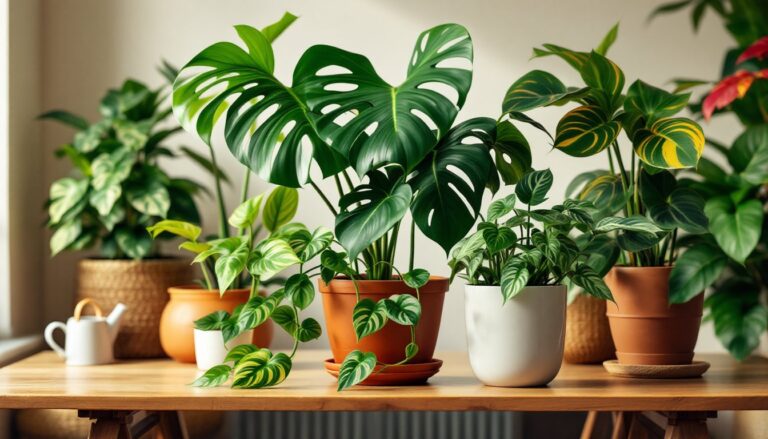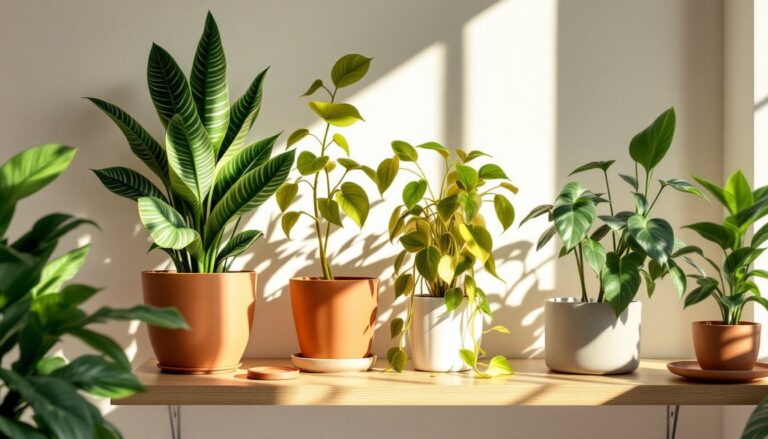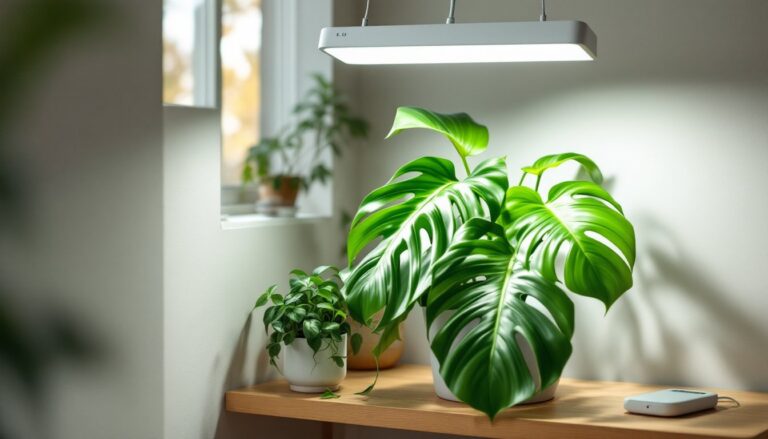
Bathrooms often get overlooked when homeowners plan out their plant collections, but they’re actually some of the best rooms in the house for certain species. The combination of natural humidity from showers, often-filtered light, and stable temperatures creates a microclimate that many tropical plants crave. Hanging plants maximize vertical space in tight bathrooms while adding visual interest at eye level and above. Whether you’re working with a powder room or a spacious primary bath, the right hanging plants can turn sterile tile and fixtures into a refreshing, spa-like retreat.
Table of Contents
ToggleKey Takeaways
- Bathrooms provide ideal conditions for hanging plants with 60-80% humidity from showers, stable temperatures, and the ability to maximize vertical space without consuming counter room.
- Low-light champions like pothos and philodendron, plus humidity-loving species such as Boston ferns and spider plants, are the best hanging plants for bathroom conditions.
- Proper installation into solid backing—whether through ceiling joists, tension rods, or wall-mounted brackets—is critical to prevent falling planters that can damage fixtures or cause injury.
- Drainage holes, consistent watering checks, and good airflow through exhaust fans prevent root rot and mold, which are the main challenges for hanging plants in bathrooms.
- Start with forgiving species like pothos or spider plants and expand your collection gradually while maintaining regular pruning and light supplementation for year-round success.
Why Bathrooms Are Perfect for Hanging Plants
Most bathrooms maintain 60-80% relative humidity during and after showers, levels that rainforest-origin plants rarely see in living rooms or bedrooms. This passive moisture reduces the need for daily misting and helps prevent crispy leaf tips common in drier rooms.
Temperature stability is another advantage. Bathrooms typically stay within a narrow range year-round, avoiding the drafts from HVAC vents or exterior doors that stress plants elsewhere in the home. Even north-facing or windowless bathrooms with adequate artificial light can support low-light species.
Vertical real estate matters in small bathrooms. Counter space is precious, but ceiling hooks, tension rods, and wall-mounted brackets open up planting zones that don’t compete with toiletries or towels. Hanging planters also keep soil and water away from high-traffic floor areas, reducing slip hazards and mess.
One caution: ventilation is critical. Bathrooms with poor airflow can develop mold on potting mix or in saucers. Run the exhaust fan during showers and for 20-30 minutes afterward to keep air moving. If your bathroom has no fan and no window, consider installing a code-compliant exhaust fan (most jurisdictions require them in new construction per the International Residential Code, Section M1507).
Best Hanging Plants for Bathroom Conditions
Choosing the right species depends on your bathroom’s light levels and how consistent you are with watering. Below are proven performers grouped by their primary strength.
Low-Light Champions
Pothos (Epipremnum aureum) tolerates almost any light condition short of a closet. Its trailing vines can reach several feet, and it’s nearly impossible to kill with irregular watering. The Golden Pothos variety shows bright yellow variegation even in dim conditions.
Philodendron heartleaf (Philodendron hederaceum) is similar in care but has slightly glossier, more heart-shaped leaves. Both pothos and philodendron are toxic if ingested, so keep them out of reach if young children or pets access the bathroom.
Snake plant (Sansevieria trifasciata) isn’t a traditional hanging plant, but the cylindrical or Sansevieria ‘Bantel’s Sensation’ varieties work in tall hanging planters. They need watering only every 2-3 weeks and handle low light without etiolation (stretching toward light sources).
For truly dim bathrooms, many homeowners rely on moisture-loving plants that thrive in shadier environments with consistent humidity.
High-Humidity Lovers
Boston fern (Nephrolepis exaltata) is the classic choice for steamy bathrooms. Its fronds can spread 2-3 feet in diameter, so give it room or plan to trim it back seasonally. Boston ferns need consistently moist (not soggy) soil and bright, indirect light. Let the top half-inch of soil dry between waterings.
String of pearls (Senecio rowleyanus) offers a sculptural, beaded look. It prefers moderate to bright indirect light and well-draining soil. Water when the pearls start to pucker slightly, overwatering causes rot.
Spider plant (Chlorophytum comosum) produces cascading offshoots (spiderettes) that root easily in water. It tolerates a range of light conditions and forgives inconsistent watering. The variegated forms add white or yellow stripes that brighten darker bathrooms.
Staghorn fern (Platycerium bifurcatum) mounts to wood plaques instead of hanging in pots, creating a living wall sculpture. Soak the root ball weekly and mist the fronds between waterings. It needs bright, indirect light and good air circulation.
Creative Ways to Hang Plants in Your Bathroom
Standard ceiling hooks work, but bathrooms often require workarounds for tile, glass blocks, or moisture-rated drywall. Here are methods that account for real-world constraints.
Ceiling hooks in joists: If you have drywall or plaster ceilings, locate a ceiling joist with a stud finder. Drill a pilot hole and install a screw-in swag hook rated for at least 10 pounds (most potted plants weigh 3-8 pounds when watered). For plaster, use a toggle bolt if you can’t hit a joist. Avoid adhesive hooks on ceilings, they fail in humid conditions.
Tension rods across windows or tubs: A spring-loaded tension shower rod (the type used for curtains) fits between walls without drilling. Hang S-hooks or macramé plant hangers from the rod. This works well over freestanding tubs or across narrow windows. Check that the rod’s weight rating exceeds your total plant load.
Wall-mounted brackets on studs: For tile walls, you’ll need to drill through tile into studs. Use a carbide-tipped masonry bit, drill slowly with steady pressure, and insert a plastic wall anchor or toggle bolt. Wipe away tile dust as you drill to keep the bit cool. Wall brackets keep plants closer to the wall than ceiling hooks, freeing up headroom in low-ceilinged bathrooms.
Installation ideas can be found on resources like Gardenista, which showcases practical hanging solutions tailored for bathrooms.
Command hooks (with caveats): Adhesive hooks rated for humid environments (look for “bathroom” or “outdoor” versions) can hold lightweight plants (under 3 pounds) on smooth tile or glass. Clean the surface with rubbing alcohol before applying, and let the adhesive cure for 24 hours. Don’t use them on textured tile or freshly painted walls.
Ladder or etagere shelves: A freestanding bamboo ladder or tiered metal shelf leans against the wall and requires no installation. Place trailing plants on upper rungs so vines cascade downward. This is ideal for renters or anyone avoiding wall penetrations.
Safety note: Ensure all hooks, rods, and brackets are installed into solid backing, studs, joists, or properly rated anchors. A falling planter can crack tile, shatter a sink, or cause injury. If you’re unsure about load-bearing capacity or working with tile, consult a handyman or tile contractor.
Care Tips for Thriving Bathroom Hanging Plants
Even low-maintenance plants need consistent attention. Bathrooms introduce unique challenges like fluctuating light and water accumulation.
Watering: Check soil moisture before watering, stick your finger 1-2 inches into the potting mix. If it’s dry, water until it drains from the bottom. Empty saucers or cache pots within an hour to prevent root rot. Bathrooms with high humidity may require watering only every 7-10 days, compared to 3-5 days in drier rooms.
Drainage: Use pots with drainage holes. If you prefer decorative cache pots without holes, place a smaller nursery pot inside and remove it to water in the sink or tub. Never let plants sit in standing water.
Light supplementation: Windowless bathrooms need artificial light. A full-spectrum LED grow bulb in an existing fixture works for low-light plants. Aim for 12-16 hours of light daily. Position the bulb 12-24 inches from foliage (closer for high-light plants, farther for low-light species).
Many experts, including those at The Spruce, recommend supplementing natural light in bathrooms to keep plants healthy year-round.
Pruning: Trim dead or yellowing leaves promptly to prevent fungal issues in humid air. For trailing plants like pothos, prune vines back by one-third every 6-12 months to encourage bushier growth. Use clean bypass pruners or scissors: wipe blades with rubbing alcohol between cuts if you’re pruning multiple plants.
Fertilizing: Feed every 4-6 weeks during spring and summer with a balanced liquid fertilizer (10-10-10 or 20-20-20) diluted to half strength. Most bathroom plants grow slower in fall and winter: reduce feeding to every 8-10 weeks. Flush soil with plain water every few months to prevent salt buildup from fertilizer.
Pest watch: Humid bathrooms can attract fungus gnats in organic potting mix. Let soil dry slightly between waterings to disrupt their life cycle. For persistent infestations, top-dress soil with a quarter-inch layer of horticultural sand or use yellow sticky traps near the plant.
Shower exposure: Indirect shower spray is beneficial for ferns and tropical species, but avoid direct high-pressure jets that damage foliage. If your plant hangs directly in the shower stall, choose species that tolerate wet leaves (ferns, spider plants) and avoid fuzzy-leaved plants like African violets, which spot and rot.
Conclusion
Hanging plants turn functional bathrooms into living spaces with better air quality and visual appeal. By matching species to your bathroom’s light and humidity, installing hardware into solid backing, and maintaining consistent care routines, even beginners can cultivate lush, healthy greenery. Start with one or two forgiving plants like pothos or spider plants, and expand your collection as you dial in watering and light. For more home improvement ideas, Better Homes & Gardens offers seasonal project guides and design inspiration.