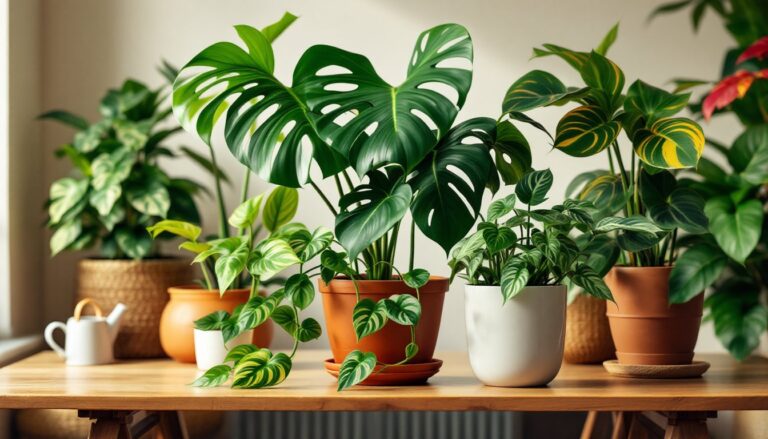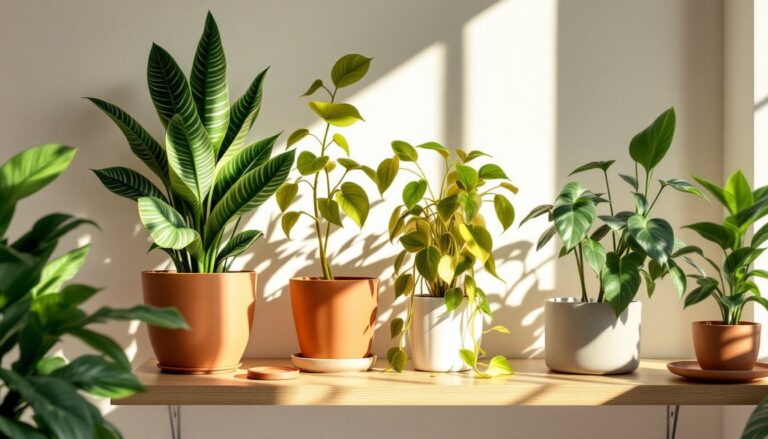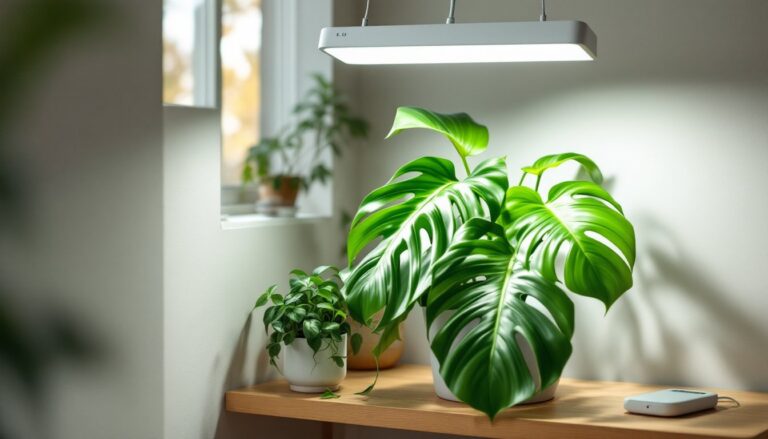
Bathrooms are often overlooked when it comes to decorating with plants, but they’re actually one of the best rooms in the house for greenery. The natural humidity from showers and baths creates a microclimate that many houseplants absolutely love. Plus, hanging plants make smart use of vertical space in smaller bathrooms where counter and floor space is at a premium. Whether you’re working with a windowless powder room or a bright, spa-like master bath, there’s a hanging plant that’ll thrive in your conditions, and look great doing it.
Table of Contents
ToggleKey Takeaways
- Hanging plants for bathrooms maximize vertical space while thriving in the natural humidity created by showers and baths, making them ideal for small spaces and humid environments.
- Pothos and philodendron are the most reliable low-light hanging plants that tolerate inconsistent watering and can grow 6-10 feet indoors with minimal care.
- Proper installation requires securing hanging plant hooks directly into ceiling joists or wall studs with hardware rated for 15-20 pounds, as drywall anchors alone cannot support long-term weight.
- Most bathroom plant failures result from overwatering rather than underwatering; check soil moisture to the second knuckle and adjust frequency based on the high humidity that slows soil drying.
- Light is the primary factor determining which hanging plants will thrive in your bathroom, so honestly assess whether you have low, medium, or bright indirect light before selecting a species.
Why Hanging Plants Are Perfect for Bathrooms
Hanging plants solve three big bathroom challenges at once: limited floor space, high humidity, and the need for privacy without blocking light.
Most bathrooms are tight on square footage. A hanging planter mounted from the ceiling or attached to a wall bracket keeps surfaces clear for toiletries and towels while adding visual interest at eye level. This is especially valuable in rental situations where you can’t modify cabinetry or built-ins.
The humidity that causes mildew on grout? That’s ideal for tropical plants that evolved in rainforest canopies. After a hot shower, your bathroom might hit 60-80% relative humidity, levels that cost serious money to replicate with humidifiers in other rooms. Plants native to humid environments will actually grow faster and healthier in a bathroom than anywhere else in the house.
Trailing plants like pothos or ivy can also provide natural privacy screening when hung in front of windows, filtering light without the maintenance headaches of fabric curtains in a damp environment. Just make sure the planter is hung from a ceiling joist or wall stud using appropriate hardware, a pot full of wet soil and plant material can weigh 10-15 pounds, and drywall anchors alone won’t cut it for long-term installations.
Top Hanging Plants That Thrive in Bathroom Conditions
Not every plant will tolerate bathroom conditions, but the ones that do tend to be low-maintenance and forgiving. Here’s what actually works.
Low-Light Champions
If your bathroom has a small window or no window at all, these plants can handle low to medium indirect light without sulking.
Pothos (Epipremnum aureum) is the workhorse of bathroom plants. Its trailing vines can reach 6-10 feet indoors, and it’ll tolerate everything from fluorescent light to a north-facing window. The variegated varieties (Golden Pothos, Marble Queen) need slightly more light to maintain their patterns, but even plain green pothos will grow in surprisingly dim conditions. Water when the top inch of soil feels dry, usually once a week in a bathroom environment.
Philodendron varieties, especially heartleaf philodendron, perform similarly to pothos and are often confused with them. They’re equally bulletproof and will cascade beautifully from a high shelf or ceiling hook. These moisture-loving plants handle inconsistent watering better than most houseplants.
Snake Plant (Sansevieria) isn’t a natural trailing plant, but smaller varieties work well in hanging planters if you want an upright form. They’re nearly indestructible and can go 2-3 weeks between waterings even in a humid bathroom. But, they need decent drainage, use a potting mix with perlite or coarse sand to prevent root rot.
ZZ Plant (Zamioculcas zamiifolia) is another upright option for hanging planters. It tolerates low light and irregular watering, making it ideal for guest bathrooms that don’t get daily use.
Humidity-Loving Varieties
If your bathroom gets good natural light, say, a window that provides bright indirect light for at least 4-6 hours daily, these plants will put on a show.
Boston Fern (Nephrolepis exaltata) is the classic bathroom hanging plant. It loves humidity and will reward consistent moisture with lush, arching fronds. The downside? It’s fussier than pothos. Let the soil dry out, and it’ll drop leaves like it’s getting paid for it. Keep the soil consistently moist (not soggy) and mist occasionally if your bathroom gets good ventilation.
String of Pearls (Senecio rowleyanus) is a succulent with trailing stems covered in bead-like leaves. It needs bright, indirect light and well-draining soil. Water thoroughly, then let it dry out completely before watering again, about every 10-14 days in a bathroom. Overwatering is the fastest way to kill it.
Spider Plant (Chlorophytum comosum) produces cascading stems with baby plantlets (offsets) that you can propagate. It handles a range of light conditions and appreciates the humidity. Plus, it’s one of the plants known for air-purifying qualities, though you’d need a jungle’s worth to make a measurable difference in air quality.
Orchids (Phalaenopsis) aren’t technically hanging plants, but mounted or hung near a bright window, they thrive in bathroom humidity. They need indirect light and should be watered about once a week, run water through the bark medium for 30 seconds, then let it drain completely.
How to Choose the Right Hanging Plant for Your Bathroom
Start with an honest assessment of your bathroom’s conditions. Light is the deal-breaker for most plants, so check what you’re actually working with.
Measure your light. Bright indirect light means you can read comfortably without turning on a light for most of the day. Medium light is enough to cast a faint shadow. Low light means no direct view of the sky and you’d need artificial light for detail work. There are inexpensive light meter apps for smartphones that’ll give you a lux reading, most foliage plants want 1,000-2,500 lux minimum.
Consider ventilation. A bathroom with an exhaust fan that runs during and after showers will have lower sustained humidity than one without. Plants like ferns prefer consistent moisture in the air, while succulents need the air to dry out between waterings. If you have a bathroom that stays damp for hours after a shower, skip the succulents.
Check your water quality. If you have heavily chlorinated municipal water, let it sit in an open container for 24 hours before watering sensitive plants like ferns. Most tropical common house plants tolerate tap water fine, but browning leaf tips can indicate chlorine or fluoride sensitivity.
Think about maintenance access. Hanging plants need regular watering and occasional pruning. If your planter is mounted 8 feet up and you don’t own a step stool, you’re setting yourself up for neglect. Keep plants at a height where you can comfortably reach them or install a pulley system for raising and lowering the planter.
If you’re new to houseplants, start with pothos or philodendron. They’re nearly impossible to kill and will teach you what “underwatered” vs. “overwatered” looks like before you invest in fussier plants.
Creative Ways to Hang Plants in Your Bathroom
You’ve got more hanging options than just a basic hook, and the right hardware makes the difference between a secure installation and a planter on the floor in pieces.
Ceiling-mounted hooks are the most common approach. Use a stud finder to locate a ceiling joist, then install a heavy-duty screw hook or swag hook rated for at least 15-20 pounds. For plaster ceilings, use a toggle bolt in the joist location. Avoid drywall anchors for anything heavier than a small air plant, the sustained weight plus moisture from watering will pull them out eventually.
Wall-mounted brackets work well if you don’t have ceiling access or want plants at multiple heights. Look for wrought iron or coated steel brackets designed for outdoor use (they handle moisture better). Mount them into wall studs using 2.5-inch or 3-inch wood screws for solid backing. In tile surrounds, you’ll need a carbide-tipped masonry bit to drill through the tile, then anchor into the stud behind.
Tension rods are a renter-friendly option for lightweight plants. Install a spring-loaded shower curtain rod across a window recess or in a corner, then hang S-hooks and small planters from it. This works for plants under 3-4 pounds, anything heavier needs permanent hardware.
Macramé hangers add texture and work with most planter shapes, but make sure the cord is rated for the weight. Cotton cord can weaken when repeatedly exposed to moisture, so look for synthetic blends or waxed cotton if it’ll be in the splash zone.
Design platforms like Houzz showcase creative installations with multiple plants at staggered heights, which adds visual depth. Just don’t overdo it, a small bathroom with six hanging plants will feel cluttered rather than lush.
Care Tips for Bathroom Hanging Plants
Bathroom plants need slightly different care than plants in living spaces, mostly because of inconsistent light and fluctuating humidity.
Adjust watering frequency. The high humidity means soil stays moist longer. Stick your finger into the soil up to the second knuckle, if it’s still damp, wait another day or two. Most bathroom plant deaths come from overwatering, not underwatering. Make sure your planter has drainage holes and use a saucer or cache pot to catch runoff.
Rotate plants monthly. If light comes from one direction (a window), rotate the planter a quarter-turn every few weeks so all sides get exposure. This prevents lopsided growth.
Wipe down leaves. Soap residue, hairspray, and general bathroom grime will coat leaves over time, blocking light absorption. Wipe them gently with a damp cloth every month or two. For plants like ferns with delicate fronds, just rinse them in the shower.
Watch for pests. Fungus gnats love consistently moist soil. If you see tiny flies around your plants, let the soil dry out more between waterings and consider adding a layer of sand or pebbles on top of the soil to break their breeding cycle.
Fertilize sparingly. Bathroom plants typically grow slower than plants in brighter rooms, so they need less fertilizer. Use a balanced liquid fertilizer diluted to half-strength once every 6-8 weeks during spring and summer. Skip fertilizing in fall and winter when growth naturally slows.
Prune as needed. Trailing plants like pothos will eventually outgrow their space. Trim back long vines just above a leaf node (the bump where leaves attach to the stem) to encourage bushier growth. Those cuttings can be propagated in water, relevant guidance from resources on plant care suggests many bathroom plants root easily.
Ensure proper ventilation. Run your exhaust fan during and after showers to prevent mold growth on walls and plant soil. Good airflow also strengthens plant stems and reduces fungal issues.
If a plant isn’t thriving after 4-6 weeks, reassess light and water. Those are the two variables that matter most. Everything else, temperature, fertilizer, pot size, is secondary. And don’t be afraid to move a struggling plant to a different room. Not every plant will love every bathroom, and that’s fine. The goal is healthy plants, not forcing something that doesn’t fit the space.