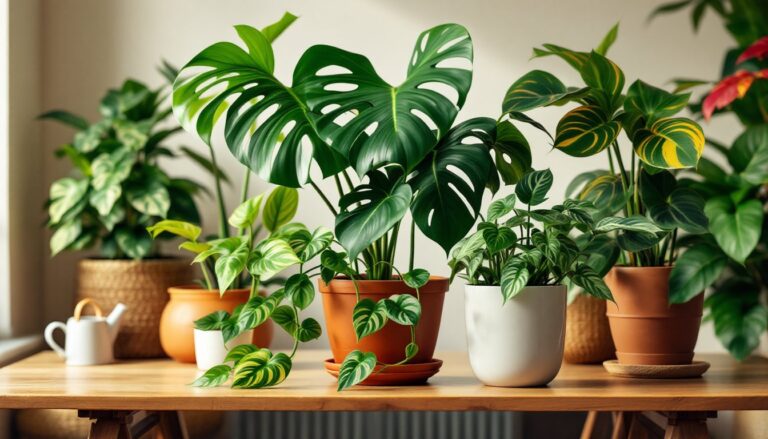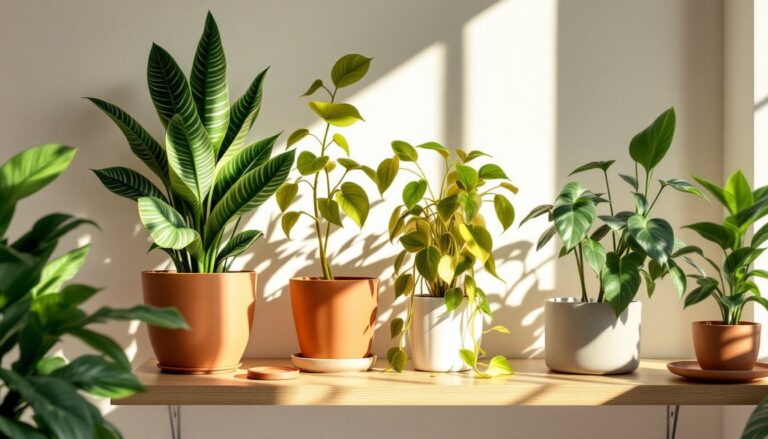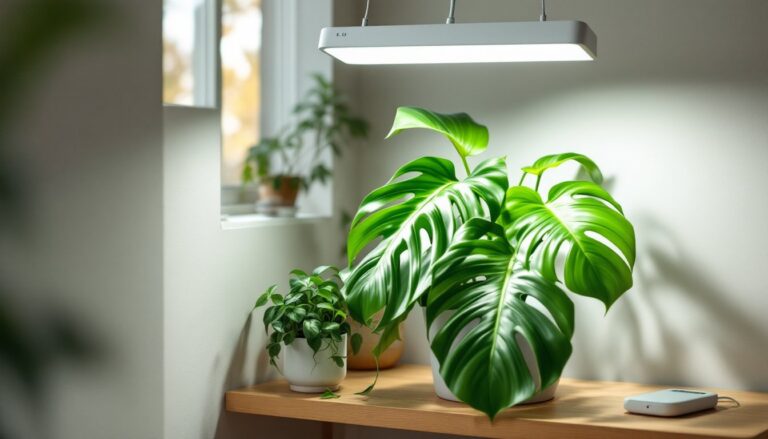
Indoor air can harbor pollutants five times more concentrated than outdoor air, formaldehyde from pressed wood, benzene from plastics, and trichloroethylene from adhesives. If you’re spending more time at home and noticing stuffiness or allergies, the solution might be simpler than buying a HEPA filter: strategically placed house plants. These aren’t just decorative accents. Certain species actively filter volatile organic compounds (VOCs) through leaf stomata and root microbes, converting chemical nasties into harmless byproducts. This guide focuses on proven air-purifying plants that fit real homes, apartments with low light, busy households that forget to water, and spaces shared with curious pets.
Table of Contents
ToggleKey Takeaways
- Indoor air contains pollutants five times more concentrated than outdoor air, but the best house plants for clean air can reduce household VOCs through phytoremediation.
- Snake plants, peace lilies, and spider plants are proven air-purifying performers that combine toxin removal with forgiving care requirements, making them ideal for busy households.
- Aim for one medium-sized air-purifying plant per 100 square feet of living space—a 1,200-square-foot home needs 10–12 plants for measurable air quality improvement.
- Overwatering is the leading cause of plant failure; use a moisture meter to check soil 2 inches down, and water only when the root zone reads dry.
- Monthly leaf cleaning increases air-filtering efficiency by removing dust buildup, while proper light assessment ensures your plants thrive without complex care requirements.
Why Indoor Air Quality Matters More Than You Think
The EPA ranks indoor air pollution among the top five environmental health risks. Most homes off-gas formaldehyde from cabinetry, benzene from synthetic fabrics, and ammonia from cleaning products, compounds linked to headaches, respiratory irritation, and long-term health concerns.
Plants counter this through phytoremediation. Leaf surfaces absorb airborne chemicals, while soil microorganisms break down toxins pulled through the root zone. A landmark NASA study tested dozens of species in sealed chambers and identified top performers based on pollutant removal rates per square foot of leaf area.
Practical benefits go beyond chemistry. Plants raise humidity (helpful in dry climates or during winter heating), reduce ambient noise through leaf surface area, and provide psychological benefits, studies show greenery lowers cortisol and improves focus.
For measurable impact, aim for one plant per 100 square feet of living space. A 1,200-square-foot home benefits from 10–12 medium-sized plants. Pair this with basic ventilation habits (cracking windows, running exhaust fans) and you’ll notice fresher air within weeks.
Keep expectations realistic. Plants won’t replace mechanical ventilation in a workshop or remove mold from a damp basement. But for typical household VOCs, off-gassing furniture, air fresheners, paint residue, they’re a low-cost, zero-energy supplement to standard HVAC filtration.
Top Air-Purifying House Plants for Every Room
Not all plants filter air equally. The following three species combine proven pollutant removal with forgiving care requirements, making them ideal for homeowners juggling projects, pets, and imperfect watering schedules.
Snake Plant: The Low-Maintenance Air Quality Champion
Sansevieria trifasciata tops every beginner list for good reason. It tolerates neglect, low light, and irregular watering while filtering formaldehyde, xylene, and toluene, common in paints, varnishes, and adhesives.
Snake plants perform CAM photosynthesis, opening stomata at night to absorb CO₂ and release oxygen. This makes them excellent bedroom choices where most plants reverse the process. They thrive in indirect light but tolerate dim corners and fluorescent office lighting.
Care basics: Water every 2–3 weeks, allowing soil to dry completely between sessions. Overwatering causes root rot, the number one killer of Sansevieria. Use a well-draining potting mix (50% standard potting soil, 50% perlite or coarse sand). Nominal pot size: 6–10 inches diameter for tabletop specimens, up to 14 inches for floor plants.
Pro tip: Wipe leaves monthly with a damp cloth to remove dust. Clogged stomata reduce air-filtering efficiency by up to 30%.
Snake plants suit high-traffic areas, entryways, home offices, mudrooms, where off-gassing from shoes, bags, and stored materials accumulates. For beginners exploring house plants, this species delivers results with minimal fuss.
Peace Lily: Beautiful Blooms That Filter Toxins
Spathiphyllum combines aesthetics with function. Its glossy leaves and white spathes (modified leaves, not true flowers) filter ammonia, benzene, formaldehyde, and trichloroethylene. NASA rated it among the top three air purifiers for enclosed spaces.
Peace lilies signal water needs clearly, leaves droop noticeably when thirsty, then perk up within hours of watering. This visual cue prevents the guesswork that kills many house plants. They prefer medium, indirect light (east or north-facing windows) and struggle in direct sun, which scorches leaves.
Care basics: Water when the top inch of soil feels dry, usually weekly. Maintain humidity above 40% (use a pebble tray or group plants together). Feed with diluted liquid fertilizer monthly during spring and summer. Standard potting mix works fine: repot every 18–24 months when roots circle the container.
Safety warning: Peace lilies contain calcium oxalate crystals, toxic to cats and dogs if ingested. Place them on high shelves or in rooms pets don’t access. If you have curious animals, spider plants (covered next) are a safer choice.
Ideal locations include bathrooms (they love humidity), laundry rooms (filters detergent VOCs), and basements with north-facing windows. The tropical foliage brings a lush look without requiring the high light of true tropicals.
Spider Plant: Perfect for Beginners and Pet Owners
Chlorophytum comosum earned its reputation through sheer resilience. It removes formaldehyde and xylene, tolerates temperature swings (50–80°F), and produces plantlets (spiderettes) that root easily for propagation or sharing.
Spider plants thrive in bright, indirect light but adapt to lower conditions, they just grow slower and produce fewer offsets. Variegated varieties (striped white or yellow) need more light than solid green types to maintain color contrast.
Care basics: Water when the top 2 inches of soil dry out, roughly every 5–7 days in warm months, less in winter. They’re semi-succulent, storing water in tuberous roots, so they tolerate occasional neglect. Brown leaf tips indicate fluoride or chloride sensitivity, switch to distilled water or let tap water sit overnight before using.
Hang spider plants in macramé hangers or set on shelves where cascading foliage and plantlets create visual interest. They’re non-toxic to pets, making them safe for homes with cats or dogs that nibble greenery.
Propagation tip: When plantlets develop small roots (visible as white nubs), snip them off and place in water until roots reach 2 inches, then pot in standard mix. You’ll have new plants in 4–6 weeks.
Spider plants suit kitchens (filters cooking fumes), living rooms, and anywhere you want lush greenery without high-stakes care. For spaces with challenging light, north-facing rooms, basements with small windows, pair them with snake plants for coverage.
How to Care for Your Air-Purifying Plants
Success comes down to matching plant needs with your home’s conditions. Most failures trace to watering mistakes, not lack of a green thumb.
Light assessment: Use a light meter app (free options work fine) or the hand-shadow test. Hold your hand 12 inches above where the plant will sit at midday. Sharp, defined shadow = bright light. Soft, fuzzy shadow = medium. Barely visible shadow = low light. Snake plants and pothos handle low: peace lilies and spider plants want medium: broad-leafed tropicals often need bright, indirect.
Watering discipline: More plants die from overwatering than underwatering. Invest in a moisture meter ($10–15) to check soil 2 inches down. Water thoroughly until it drains from the bottom, then don’t water again until the meter reads dry in the root zone. Drainage holes are non-negotiable, repot immediately if your container lacks them.
Soil and potting: Standard potting mix works for most species, but amend heavy mixes with perlite or coarse sand (20–30% by volume) to improve drainage. Repot when roots emerge from drainage holes or circle the pot’s interior, usually every 12–24 months. Go up one pot size (e.g., 6-inch to 8-inch) to avoid overpotting, which holds excess moisture and invites root rot.
Humidity and temperature: Most air-purifying plants prefer 40–60% relative humidity. If winter heating drops it below 30%, group plants together (they create microclimates), use pebble trays filled with water beneath pots, or run a humidifier. Avoid placing plants near heating vents or drafty windows where temperature swings exceed 15°F.
Fertilization: Feed during active growth (March–September) with diluted liquid fertilizer at half the package strength, every 4–6 weeks. Overfertilizing causes salt buildup (white crust on soil surface) and leaf burn. Flush pots with plain water quarterly to leach excess salts.
Pest management: Inspect leaves weekly for spider mites (fine webbing), mealybugs (white cottony clusters), or aphids (tiny green/black insects). Wipe leaves with diluted neem oil (1 tablespoon per quart of water) or insecticidal soap at first sign. Isolate affected plants to prevent spread.
Cleaning: Dust blocks stomata and cuts air-filtering capacity. Wipe smooth leaves with a damp microfiber cloth monthly. For plants with many small leaves (like spider plants), rinse in the shower with lukewarm water, letting soil drain afterward.
Seasonal adjustments: Growth slows in winter. Reduce watering frequency by 30–50% and skip fertilizer until daylight increases in late February. Moisture-loving species may need supplemental humidity when indoor heating runs continuously.
Safety and placement: Wear gloves when handling plants with irritating sap (peace lilies, philodendrons). Keep toxic species away from children and pets. Research shows plants placed at eye level or above have greater psychological impact than floor-level arrangements, consider shelving, plant stands, or hanging solutions.
If you’re expanding your collection, resources like The Spruce and Better Homes & Gardens offer detailed care sheets for dozens of species, including region-specific tips for challenging climates.
Conclusion
Air-purifying plants aren’t a gimmick, they’re a low-cost, zero-energy way to reduce household VOCs while adding life to your space. Start with one or two proven performers like snake plants or spider plants, dial in watering and light, then expand as confidence grows. Your lungs (and your home’s aesthetic) will thank you.