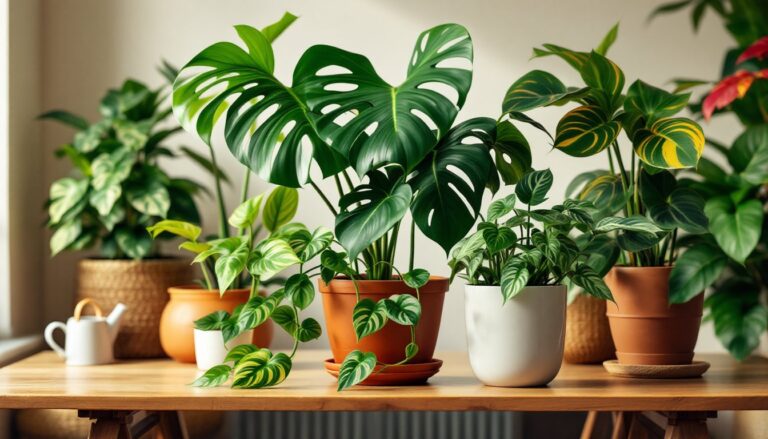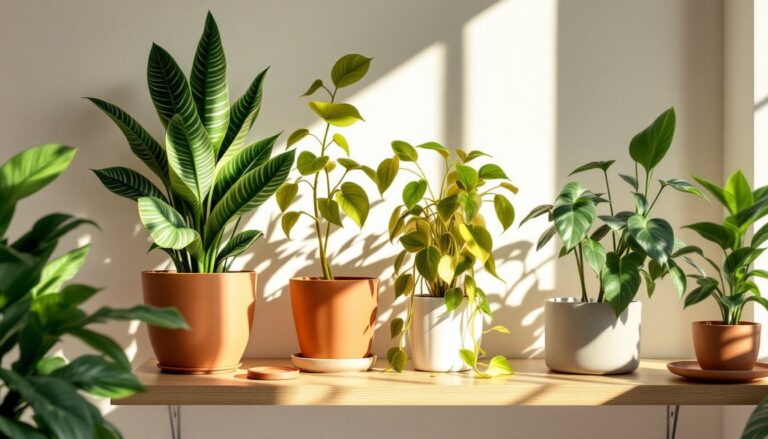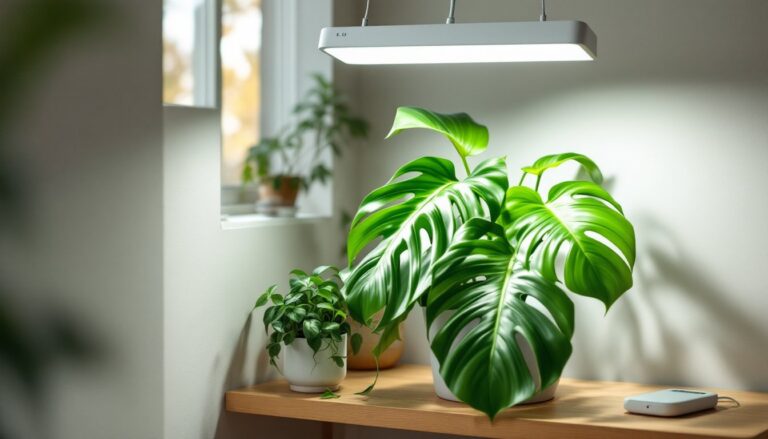
Indoor plants aren’t just decoration, they’re functional additions that improve air quality, regulate humidity, and bring life to spaces that would otherwise feel flat. The 50 species covered here represent the workhorses of indoor gardening: reliable, widely available, and adaptable to typical home environments. Whether someone’s working with a sun-drenched bay window or a dim corner that needs brightening, these plants have earned their popularity through proven performance, not trends. This guide cuts through the fluff and focuses on what actually matters: light requirements, watering schedules, common failure points, and which varieties deliver the most impact for the effort invested.
Table of Contents
ToggleKey Takeaways
- The 50 most common house plants thrive indoors because they tolerate low to moderate light, forgive inconsistent watering, and recover quickly from neglect.
- Low-maintenance favorites like Snake Plant, Pothos, and ZZ Plant are ideal for beginners since they signal distress before dying and rarely exceed $50 in price.
- Statement plants such as Monstera deliciosa and Fiddle Leaf Fig transform spaces with dramatic foliage but require consistent light and watering to prevent leaf drop.
- Most houseplant failures stem from overwatering, inadequate light, or poor drainage—using the finger test and ensuring pots have drainage holes prevents 90% of problems.
- Air-purifying varieties like Peace Lily and Boston Fern remove VOCs from indoor air while adding visual appeal and humidity to your home environment.
- Repot every 1–2 years in spring, prune leggy growth to encourage bushiness, and use a balanced fertilizer at half strength during growing seasons to keep house plants thriving.
Why These 50 House Plants Dominate Home Décor
The plants that show up repeatedly in homes, offices, and nurseries aren’t there by accident. They’ve survived the vetting process that kills off fussier species: inconsistent watering, suboptimal light, fluctuating temperatures, and the occasional bout of neglect.
Most of these 50 species share key survival traits. They tolerate low to moderate light (critical for homes without south-facing windows), forgive missed waterings, and aren’t picky about humidity levels. Species like Pothos, Snake Plant, and ZZ Plant can handle weeks of drought and still bounce back. Others, like Monstera deliciosa and Fiddle Leaf Fig, offer dramatic foliage that makes them worth the extra attention.
Availability drives popularity, too. Big-box stores, nurseries, and online suppliers stock what sells reliably. These plants propagate easily (often from cuttings), ship well, and adapt to standard potting mixes. That means consistent supply and reasonable pricing, usually $10–$50 depending on size and maturity.
Another factor: they’re hard to kill outright. Beginners need plants that signal distress before dying, yellowing leaves from overwatering, drooping from underwatering. The species on this list provide clear feedback, giving growers time to course-correct before it’s too late.
Low-Maintenance Favorites for Beginners
Starting with bulletproof species builds confidence and reduces the body count. These plants tolerate irregular care and still look good.
Snake Plant (Sansevieria trifasciata) tops every beginner list for a reason. It survives low light, handles watering every 2–3 weeks, and grows upright in a compact footprint. Leaves grow 2–4 feet tall depending on variety. It’s nearly impossible to overwater if potted in well-draining soil with perlite or coarse sand mixed in.
Pothos (Epipremnum aureum) thrives on neglect. Vining stems can trail from shelves or climb a moss pole. Water when the top 2 inches of soil dry out, usually every 7–10 days. It tolerates fluorescent office lighting and recovers quickly from wilting if watered promptly.
ZZ Plant (Zamioculcas zamiifolia) stores water in thick rhizomes below the soil line, making it drought-tolerant for 2–3 weeks between waterings. Glossy, deep green leaves grow on upright stems reaching 2–3 feet. It handles low light better than most, though growth slows significantly without moderate indirect light.
Spider Plant (Chlorophytum comosum) produces arching, variegated foliage and small plantlets (offsets) that dangle from mature plants. These offsets root easily in water or soil, making propagation foolproof. Water when soil is dry 1 inch down: browning leaf tips usually indicate fluoride in tap water, switch to filtered or distilled if this occurs.
Philodendron varieties (heartleaf, Brasil, Micans) are forgiving, fast-growing vines. They root at nodes along the stem, so cuttings propagate in water within 10–14 days. Bright, indirect light encourages faster growth, but they adapt to medium light without issue. Many houseplant guides for beginners emphasize these as go-to choices for new growers.
Statement Plants That Transform Any Room
Some plants command attention. They’re architectural, bold, and worth the real estate they occupy.
Monstera deliciosa (Swiss Cheese Plant) features fenestrated leaves that develop splits and holes as the plant matures. Young plants start with solid leaves: fenestration begins around 2–3 years old under good light. Provide a moss pole or wooden stake for support as stems grow, mature plants can reach 6–8 feet indoors. Water when the top 2 inches of soil dry out, roughly weekly in warm months.
Fiddle Leaf Fig (Ficus lyrata) has become the poster child for indoor trees. Large, violin-shaped leaves grow on upright stems that can reach 6–10 feet with enough ceiling height. It’s fussier than most: inconsistent watering or sudden light changes cause leaf drop. Place in bright, indirect light near an east or west window, and water when the top 1–2 inches of soil dry. Wipe dust off leaves monthly with a damp cloth to maximize photosynthesis.
Bird of Paradise (Strelitzia reginae) delivers tropical impact with paddle-shaped leaves that fan out from a central crown. Mature plants can reach 5–6 feet indoors. It needs bright light, ideally a few hours of direct morning sun, to thrive. Water thoroughly when the top 2–3 inches of soil dry, and don’t expect blooms indoors unless light conditions are exceptional.
Rubber Plant (Ficus elastica) grows upright with thick, glossy leaves in deep green, burgundy, or variegated patterns. It’s more forgiving than Fiddle Leaf Fig but still prefers consistent conditions. Bright, indirect light encourages compact growth: lower light causes leggy stretching. Prune top growth to encourage branching if a bushier shape is desired.
Dracaena varieties (marginata, fragrans, compacta) offer vertical structure with minimal floor space. Stems grow woody over time, topped with clusters of strap-like leaves. They tolerate low light but grow faster with moderate indirect light. Water when soil is dry 2 inches down, overwatering is the most common killer.
Compact Varieties Perfect for Small Spaces
Not everyone has room for a tree. These plants deliver greenery without monopolizing square footage.
Peperomia species (obtusifolia, caperata, argyreia) stay compact, rarely exceeding 12 inches in height. Thick, succulent-like leaves store water, so they tolerate drying out between waterings. Bright, indirect light keeps foliage vibrant: too much direct sun scorches leaves. They’re ideal for desks, shelves, or windowsills.
Air Plants (Tillandsia) don’t require soil, they absorb water and nutrients through specialized leaf scales. Display them in terrariums, mounted on driftwood, or in hanging glass globes. Soak in room-temperature water for 20–30 minutes weekly, then shake off excess and let dry upside-down to prevent rot at the base. Bright, filtered light near a window works best.
African Violet (Saintpaulia) produces clusters of purple, pink, or white flowers with fuzzy, rounded leaves. They bloom reliably under consistent conditions: bright, indirect light (a north or east window), evenly moist soil, and moderate humidity. Water from the bottom by placing the pot in a saucer of water for 15–20 minutes to avoid wetting leaves, which causes spotting.
Jade Plant (Crassula ovata) is a succulent with thick, coin-shaped leaves and woody stems that develop character over time. Water deeply, then let soil dry completely before watering again, usually every 10–14 days. Place in bright light with a few hours of direct sun for compact, healthy growth. Overwatering causes root rot: well-draining cactus mix is essential.
Lucky Bamboo (Dracaena sanderiana) isn’t bamboo, it’s a Dracaena grown hydroponically in water or planted in soil. Change water weekly if grown in vases to prevent algae buildup. It tolerates low light but grows faster with moderate indirect light. Stalks can be shaped or braided for decorative effect.
Air-Purifying Plants for Healthier Homes
NASA’s Clean Air Study (1989) identified several common house plants that filter volatile organic compounds (VOCs) like formaldehyde, benzene, and trichloroethylene from indoor air. While a single plant won’t replace mechanical ventilation, adding multiple specimens does contribute to better air quality.
Peace Lily (Spathiphyllum) ranks high for removing airborne toxins. It produces white, sail-like flowers (actually modified leaves called spathes) and thrives in low to medium light. Water when leaves begin to droop slightly, they perk up within hours. Keep soil evenly moist but not waterlogged. Note that all parts are toxic to pets if ingested due to calcium oxalate crystals.
Boston Fern (Nephrolepis exaltata) excels at removing formaldehyde and adding humidity through transpiration. It prefers consistent moisture and higher humidity (50–60%), making bathrooms ideal. Mist foliage regularly or place on a pebble tray filled with water to raise ambient humidity. Browning frond tips signal low humidity or inconsistent watering.
Spider Plant (covered earlier) filters carbon monoxide and xylene plus to other VOCs. Its ease of care and rapid propagation make it practical for placing multiple plants throughout a home.
English Ivy (Hedera helix) filters airborne mold particles and benzene. It grows as a trailing or climbing vine and prefers cooler temperatures (60–70°F). Water when the top inch of soil dries. Be cautious if pets are present, leaves are toxic if ingested.
Areca Palm (Dypsis lutescens) functions as both a statement plant and air purifier, removing formaldehyde and xylene. Feathery fronds grow 6–7 feet tall indoors. It needs bright, indirect light and consistently moist (not soggy) soil. Browning leaf tips often indicate low humidity or fluoride in water.
Caring for Your Most Common House Plants
Most houseplant failures trace back to three issues: improper watering, inadequate light, or poor soil drainage. Addressing these basics prevents 90% of problems.
Watering: More plants die from overwatering than underwatering. Roots need oxygen, and saturated soil suffocates them, leading to root rot. Use the finger test, stick a finger 1–2 inches into the soil. If it’s dry at that depth, water thoroughly until it drains from the pot’s bottom. If still moist, wait. Adjust frequency based on season: plants need less water in winter when growth slows.
Light: “Bright, indirect light” means near a window where direct sun is filtered by a sheer curtain or bounced off a wall. “Low light” isn’t darkness, it’s areas several feet from a window where you can read comfortably without artificial light. Rotate plants 90° every week or two to encourage even growth. If a plant stretches toward light with long gaps between leaves (etiolation), it needs more lumens.
Soil & Drainage: Standard potting mix works for most species, but mixing in perlite (20–30% by volume) improves drainage and prevents compaction. Cacti, succulents, and some tropicals benefit from specialized mixes with added coarse sand or orchid bark. Always use pots with drainage holes, decorative cachepots without holes should hold a nursery pot inside them. Many common tropical varieties thrive when potting mix includes ingredients like coco coir for better moisture retention.
Fertilizing: Most house plants need feeding during active growth (spring through early fall). Use a balanced, water-soluble fertilizer (10-10-10 or 20-20-20) diluted to half strength every 4–6 weeks. Skip fertilizing in winter unless the plant is actively growing under grow lights. Overfertilizing causes salt buildup, visible as white crust on soil or pot edges, flush soil with water if this occurs.
Repotting: Plants typically need repotting every 1–2 years when roots circle the pot’s interior or grow through drainage holes. Choose a pot 1–2 inches larger in diameter than the current one. Spring is the best time to repot, giving plants the growing season to establish in fresh soil. Loosen the root ball gently before placing in the new pot, don’t just drop it in without disturbing compacted roots. Growers often explore different tropical varieties when deciding what to add after repotting existing plants.
Pest Management: Common pests include spider mites, aphids, mealybugs, and fungus gnats. Inspect plants regularly, especially undersides of leaves. Treat infestations early with insecticidal soap or neem oil, following label directions. Fungus gnats (small black flies) breed in moist soil, letting soil dry between waterings and adding a 1/2-inch layer of sand on top interrupts their lifecycle. Studies from comprehensive houseplant care resources show that early intervention prevents infestations from spreading to other plants.
Humidity: Many tropical species prefer 40–60% relative humidity, higher than typical heated or air-conditioned homes (20–30%). Group plants together to create a microclimate, use pebble trays filled with water beneath pots, or run a small humidifier nearby. Avoid misting, it provides brief humidity spikes but promotes fungal issues on leaves.
Pruning: Remove dead, yellowing, or damaged leaves at the base with clean scissors or pruning shears. Prune leggy growth to encourage bushier shapes. For vining plants, pinch stem tips just above a node (where leaves attach) to stimulate branching. Sterilize cutting tools with rubbing alcohol between plants to prevent spreading disease.
Conclusion
These 50 plants aren’t popular because they’re trendy, they’re popular because they work. They tolerate the realities of indoor environments, signal their needs clearly, and deliver visible results without requiring a horticulture degree. Start with a few low-maintenance varieties, nail the basics of light and watering, and expand from there. The goal isn’t perfection: it’s creating a living space that feels healthier and more intentional, one plant at a time.