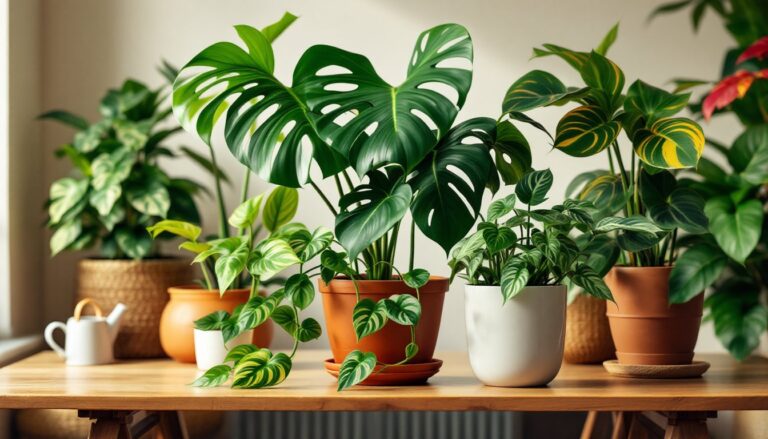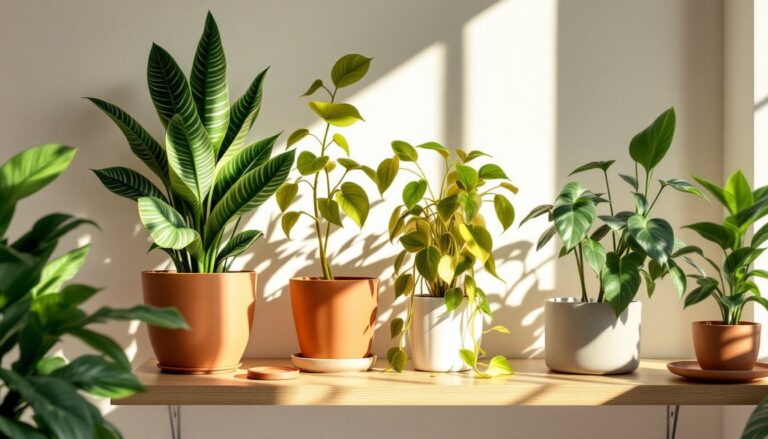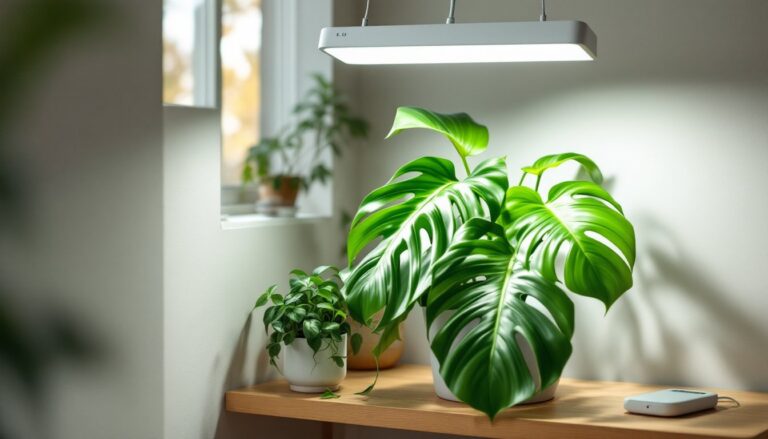
Knowing the names of house plants isn’t just about sounding knowledgeable at the garden center, it’s about making smarter choices for your home’s specific conditions. When you can identify plants by name, you’ll understand their light requirements, watering needs, and growth habits before you commit counter space or corner real estate. Whether you’re working with a sun-drenched south-facing window or a dim bathroom corner, matching the right plant name to the right spot means less trial-and-error and fewer brown, crispy casualties. This guide breaks down house plant names by category, from bulletproof beginner favorites to show-stopping rarities, so you can shop, research, and troubleshoot with confidence.
Table of Contents
ToggleKey Takeaways
- Identifying house plant names by their scientific classification helps you understand each plant’s specific light, water, and growth requirements before purchasing.
- Beginner-friendly house plants like Pothos, Snake Plant, and Spider Plant thrive in average home conditions and tolerate neglect, making them ideal starting points for new plant parents.
- Low-maintenance varieties such as ZZ Plant and Cast Iron Plant store water efficiently and handle inconsistent watering, perfect for busy households.
- Popular statement pieces like Monstera Deliciosa and Fiddle Leaf Fig require brighter indirect light and consistent care but deliver dramatic visual impact worth the effort.
- Pet-safe house plants including Peperomia, Boston Fern, and Areca Palm provide non-toxic options for homes with curious cats or small children.
- Trending plants in 2026 like Hoya and rare Philodendron cultivars are gaining popularity for their striking variegation and trailing growth, though some require stable humidity and bright conditions to maintain their distinctive colors.
Popular House Plant Names Every Homeowner Should Know
These are the workhorses of indoor gardening, plants with proven track records in average home conditions. You’ll find them at big-box stores, local nurseries, and probably in your neighbor’s living room.
Pothos (Epipremnum aureum) tolerates low light and irregular watering better than most plants tolerate a forgetful owner. Its trailing vines work well on shelves or in hanging baskets, and it roots easily in water if you want to propagate.
Snake Plant (Sansevieria trifasciata, now reclassified as Dracaena trifasciata) survives neglect, low light, and dry air. The stiff, upright leaves grow slowly, making it ideal for corners that don’t get much attention.
Spider Plant (Chlorophytum comosum) produces arching foliage and baby plantlets (spiderettes) that dangle from mature plants. It adapts to a range of light conditions and signals when it needs water by drooping slightly.
Rubber Plant (Ficus elastica) offers large, glossy leaves and can grow into a substantial floor plant with adequate light. Wipe the leaves occasionally to keep them breathing efficiently and looking sharp.
Philodendron (various species, including Philodendron hederaceum) comes in both climbing and self-heading varieties. Most thrive in moderate to bright indirect light and appreciate humidity but aren’t fussy about it.
Low-Maintenance House Plants by Name
If your watering schedule is more “whenever I remember” than “every Tuesday,” these plants won’t hold it against you.
ZZ Plant (Zamioculcas zamiifolia) stores water in its thick rhizomes and waxy leaves, allowing it to coast through weeks of drought. It tolerates low light but grows faster with brighter exposure. The glossy, dark green foliage adds a polished look without requiring polishing.
Cast Iron Plant (Aspidistra elatior) earned its name by surviving Victorian parlors with coal dust, gas lamps, and benign neglect. It handles low light, temperature swings, and inconsistent watering. Growth is slow, so buy the size you want.
Parlor Palm (Chamaedorea elegans) brings a tropical vibe without the tropical fussiness. It adapts to lower light and average humidity, though it appreciates a monthly shower to rinse dust from the fronds.
Chinese Evergreen (Aglaonema) offers patterned foliage in silver, pink, or red depending on the cultivar. It tolerates low to medium light and prefers to dry out slightly between waterings. Keep it away from cold drafts.
Dracaena (multiple species, including Dracaena marginata and Dracaena fragrans) comes in various forms, some with spiky foliage, others with broader leaves. Most handle moderate light and infrequent watering. Note that these are toxic to cats and dogs if chewed.
Exotic and Unique House Plant Names for Statement Pieces
These plants command attention and often require more specific care, but they deliver drama that standard varieties can’t match.
Fiddle Leaf Fig (Ficus lyrata) features large, violin-shaped leaves that make it a favorite in design magazines. It demands bright, indirect light and consistent watering, neither bone-dry nor soggy. Wipe the broad leaves weekly to prevent dust buildup, which can inhibit photosynthesis.
Monstera Deliciosa (Swiss Cheese Plant) develops iconic split leaves as it matures. Young plants have solid leaves: fenestrations (the holes and splits) appear with age and adequate light. Provide a moss pole or trellis for support as it climbs.
Bird of Paradise (Strelitzia reginae) brings a bold, tropical silhouette with its large, paddle-shaped leaves. It needs bright light, ideally some direct morning sun, and space to spread. Indoor specimens rarely flower, but the foliage alone justifies the footprint.
Calathea (various species, including Calathea orbifolia and Calathea medallion) showcases intricate leaf patterns and colors. These plants prefer consistent moisture, higher humidity (40–60%), and indirect light. They’re sensitive to tap water chemicals: use filtered or distilled water if leaf edges brown.
Alocasia (Elephant Ear varieties) delivers striking, arrow-shaped foliage with pronounced veining. Many cultivars exist, from the compact Alocasia ‘Polly’ to the dramatic Alocasia zebrina with its striped stems. Expect some dormancy in winter: don’t panic if it drops leaves when daylight shortens.
Pet-Friendly House Plant Names for Safe Indoor Gardens
If you share your space with curious cats or enthusiastic chewers, these non-toxic options won’t cause problems if nibbled. Always monitor pets and consult your vet if unusual behavior occurs.
Peperomia (multiple varieties, including Peperomia obtusifolia and Peperomia caperata) offers compact growth and thick, sometimes textured leaves. These plants prefer to dry out between waterings and tolerate medium light. Overwatering causes more problems than underwatering.
Boston Fern (Nephrolepis exaltata) thrives in humidity and indirect light, making it ideal for bathrooms with windows. Keep the soil consistently moist but not waterlogged. Brown, crispy fronds usually signal low humidity or underwatering.
Parlor Palm (see Low-Maintenance section) is safe for pets and forgiving of typical home conditions, which is why it appears on both lists.
Spider Plant (see Popular section) is non-toxic and produces baby plants that cats sometimes find irresistible, not harmful, just annoying if you’d prefer intact foliage.
Areca Palm (Dypsis lutescens) provides a larger, arching presence without the toxicity concerns of other palms. It prefers bright, indirect light and consistent moisture. Yellow fronds often indicate overwatering or salt buildup from tap water.
According to care guides for various houseplants, always double-check a plant’s toxicity status before bringing it home if pets or small children have access.
How to Choose the Right House Plant Using Common Names vs. Scientific Names
Common names are easier to remember, but they can create confusion. “Rubber plant” might refer to Ficus elastica or Peperomia obtusifolia, depending on who’s talking. A “corn plant” could be Dracaena fragrans or actual Zea mays if you’re optimistic.
Scientific names (botanical names) use binomial nomenclature: genus + species (e.g., Monstera deliciosa). These names are universal, so a Sansevieria trifasciata in Texas is the same plant as one in Tokyo, even if locals call it “snake plant,” “mother-in-law’s tongue,” or “viper’s bowstring hemp.”
When researching care requirements, use the scientific name for accurate results. Common names vary regionally, and some plants share nicknames. If you’re buying online or trading cuttings, confirm the botanical name to avoid surprises.
Cultivar names (listed in single quotes, like Epipremnum aureum ‘Marble Queen’) indicate specific varieties bred for unique traits, variegation, compact growth, or unusual coloring. These inherit the species’ basic care needs but may have quirks, like slower growth in variegated forms due to less chlorophyll.
Many moisture-loving plants have multiple common names across different regions, making scientific identification crucial when troubleshooting watering issues or pests. Check plant tags at nurseries for both names: reputable sellers list them together.
Trending House Plant Names in 2026
Plant trends shift as growers introduce new cultivars and social media amplifies specific aesthetics. Here’s what’s gaining traction this year.
Hoya (Wax Plant, various species) has surged in popularity for its trailing growth, waxy leaves, and fragrant flower clusters. Hoya carnosa, Hoya kerrii (Sweetheart Hoya), and Hoya linearis are particularly sought after. They prefer bright, indirect light and infrequent watering, let the soil dry between drinks.
Philodendron ‘Pink Princess’ and other rare philodendron cultivars command high prices for their variegated pink and green foliage. The variegation is unstable: new leaves may revert to all-green if light conditions aren’t ideal. These need bright, indirect light to maintain color.
Scindapsus (Scindapsus pictus, often called Satin Pothos) offers silvery variegation on heart-shaped leaves. It trails or climbs depending on support and tolerates lower light better than true pothos, though brighter conditions enhance the silver markings.
Anthurium (Flamingo Flower, Anthurium andraeanum) is trending for its glossy, heart-shaped spathes in red, pink, or white. These tropical plants need high humidity, consistent moisture, and bright, indirect light. They’re not beginner-friendly but reward attentive care with long-lasting “blooms” (technically modified leaves).
Alocasia ‘Dragon Scale’ and other boutique alocasias appeal to collectors for their dramatic textures and colors. Indoor tropical house plants like these require stable humidity and temperatures above 60°F. Expect to see more rare aroids in specialty shops and online marketplaces as demand grows.
According to houseplant trend reports, variegated and compact varieties continue to dominate wish lists, especially among apartment dwellers with limited space. Design-focused sites highlight how statement plants like large leaf varieties anchor minimalist interiors without clutter.
Conclusion
Knowing house plant names, both common and scientific, arms you with the information needed to match plants to your home’s conditions and your maintenance habits. Start with proven performers, experiment with trending varieties as your confidence grows, and always verify care requirements using botanical names for accurate guidance.