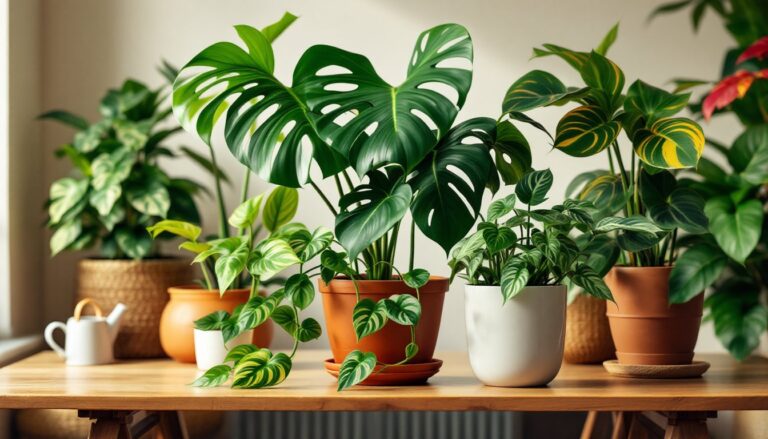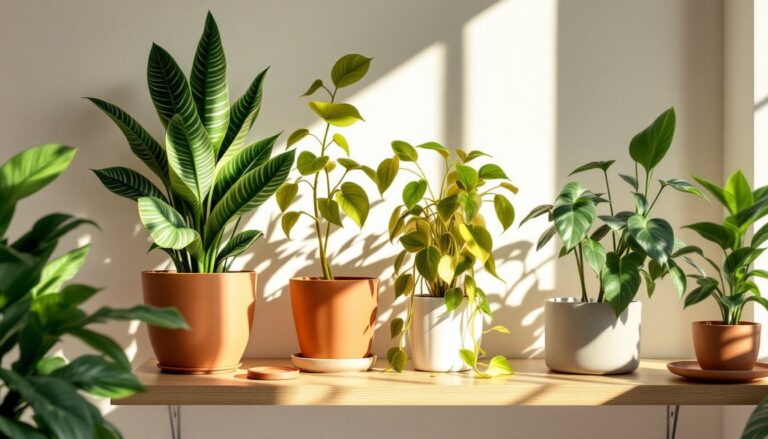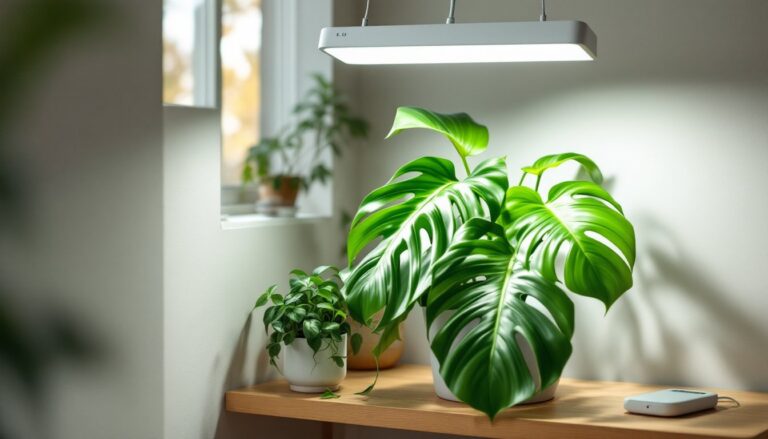
Cacti bring a slice of the desert into living rooms without demanding constant attention or weekend watering schedules. These spiny survivors store water in their thick stems, making them ideal for anyone who’s killed one too many ferns or forgotten to water their philodendron for a month. With varieties ranging from towering columns to tiny globe-shaped specimens, cacti offer architectural interest and surprising blooms that brighten windowsills and corners alike. Unlike moisture-loving tropicals, these drought-adapted plants thrive on neglect, provided they get enough light and the right soil mix.
Table of Contents
ToggleKey Takeaways
- Types of cactus house plants range from towering columns to miniature globes, offering architectural interest and surprising blooms that thrive on neglect with proper light and soil.
- Cacti store water in their thick stems, requiring watering only every 2-4 weeks during active growth and even less in winter, making them perfect for busy households and travelers.
- Popular flowering varieties like Christmas cactus, Easter cactus, and orchid cactus deliver vibrant blooms with minimal care by meeting basic light and humidity requirements.
- Columnar and tree-like cacti such as saguaro and organ pipe create dramatic focal points, while compact species like star cactus and moon cactus suit small spaces and desk displays.
- Success with indoor cacti depends on three essentials: 4-6 hours of direct sun daily, well-draining cactus soil mix that dries quickly, and restrained watering to prevent root rot.
- Unique varieties like rat tail cactus, bunny ears cactus, and brain cactus offer statement décor potential, though some require protective equipment to handle spines and glochids safely.
Why Cacti Make Perfect House Plants
Cacti rank among the most forgiving house plants for busy households. Their water-storage tissue allows them to survive weeks, even months, between waterings, unlike traditional foliage plants that wilt after a few dry days.
Low water requirements mean fewer scheduling conflicts. Most cacti need watering only when soil dries completely, typically every 2-4 weeks during active growth and even less in winter dormancy. This tolerance makes them perfect for travelers or anyone with an unpredictable routine.
Minimal pest problems set cacti apart from other indoor plants. Spider mites and mealybugs occasionally appear, but the thick, waxy cuticle on cactus stems resists most common houseplant pests. Scale insects pose the biggest threat, but regular inspection catches infestations early.
Cacti also tolerate low humidity that would stress ferns or calatheas. Most homes maintain 30-50% relative humidity year-round, ideal for desert natives but too dry for rainforest species. Central heating and air conditioning don’t faze these plants.
Compact root systems allow cacti to thrive in small pots for years. Unlike rapidly growing tropicals that need annual repotting, most cacti remain happy in the same container for 3-5 years, reducing maintenance and soil costs.
Popular Flowering Cactus Varieties for Bright Displays
Christmas cactus (Schlumbergera) produces vibrant pink, red, white, or coral blooms from November through January. Even though the “cactus” label, these Brazilian natives prefer slightly more moisture than desert species and tolerate lower light levels. Segments droop gracefully over pot edges, making them excellent for hanging baskets.
These epiphytic cacti need bright indirect light and humidity around 50-60% during bud formation. Water when the top inch of soil feels dry, increasing frequency slightly during flowering. They bloom reliably when exposed to 12-14 hours of darkness nightly for 6 weeks before the desired bloom time.
Easter cactus (Hatiora gaertneri) resembles Christmas cactus but flowers in spring with star-shaped blooms in pink, red, or white. Segment edges appear more rounded, and plants typically stay more compact. Both species grow well in standard potting mix rather than specialized cactus soil formulations.
Orchid cactus (Epiphyllum) delivers dinner-plate-sized blooms in brilliant colors from white to deep purple. These jungle cacti feature flat, leaf-like stems and prefer morning sun with afternoon shade. Flowers often appear at night and last only 1-2 days, but mature plants produce multiple blooms over several weeks.
Pincushion cactus (Mammillaria) forms tight clusters of small globes crowned with delicate rings of pink, yellow, or white flowers in spring. Individual plants stay under 6 inches diameter, but they offset readily to fill pots with textured mounds. These desert natives need full sun and minimal water.
Low-Maintenance Columnar and Tree-Like Cacti
Saguaro cactus (Carnegiea gigantea) defines the iconic desert landscape, but young specimens adapt well to bright indoor spaces. These slow-growers add only 1-2 inches annually and won’t develop signature arms indoors. They need full sun, a south-facing window or supplemental grow lights, and well-draining cactus mix.
Saguaros tolerate temperatures down to 20°F briefly, but indoor specimens prefer 65-85°F year-round. Water deeply when soil dries completely, usually every 3-4 weeks in summer and monthly in winter.
Organ pipe cactus (Stenocereus thurberi) produces multiple vertical stems from a central base, creating a clustered columnar form. Stems grow 8-12 feet outdoors but remain manageable indoors with 6-8 hours of direct sun daily. These specimens work well as architectural focal points in minimalist spaces.
Old man cactus (Cephalocereus senilis) stands out with long white hair covering the entire column. This fuzzy coat protects the plant from intense sun and cold in its native Mexico. Indoors, the hair stays cleaner in low-dust environments and requires no special grooming beyond gentle dusting with a soft brush.
Columnar cacti need heavy pots to prevent tipping as they gain height. Terra cotta works better than plastic because weight and porosity both improve stability and drainage. Most species grow well when house plants are placed in windows with unobstructed southern exposure.
Small and Compact Cacti Perfect for Small Spaces
Star cactus (Astrophytum asterias) forms a flat, spineless dome divided into eight sections with tiny white dots. These miniatures stay under 4 inches diameter and flower readily with yellow blooms featuring red centers. They prefer bright filtered light rather than harsh direct sun, making them suitable for east windows.
These slow-growers need excellent drainage and minimal water, once every 3-4 weeks in summer and nearly none in winter. Overwatering causes rapid rot, so err on the dry side.
Moon cactus (Gymnocalycium mihanovichii) appears as a bright pink, red, orange, or yellow globe grafted onto green rootstock. The colorful top lacks chlorophyll and can’t survive alone, making the graft essential. These novelty cacti live 1-3 years typically, as the rootstock eventually outgrows the scion.
Even though their artificial appearance, moon cacti need the same care as other species: well-draining soil, bright light, and infrequent watering. They work well in dish gardens or grouped with common tropical house plants that tolerate similar light conditions.
Fairy castle cactus (Acanthocereus tetragonus) produces miniature turrets and towers resembling medieval architecture. Multiple stems branch irregularly, creating varied silhouettes. Plants stay under 12 inches indoors and tolerate slightly lower light than full desert cacti.
Button cactus (Epithelantha micromeris) forms tight clusters of 1-inch spheres covered in tiny white spines. Pink flowers emerge from the crown in spring, followed by edible red fruits. These miniatures suit windowsill collections and terrariums with open tops for air circulation.
Unique and Unusual Cactus Types for Statement Decor
Rat tail cactus (Aporocactus flagelliformis) sends trailing stems up to 3 feet long, covered in fine spines and magenta tubular flowers in spring. These epiphytic cacti grow naturally on trees, so they need indoor tropical house plants care, more moisture and less direct sun than desert species. Hanging baskets show off the cascading habit.
Even though the moisture preference, soil must drain quickly. A mix of standard potting soil, orchid bark, and perlite in equal parts prevents root rot while maintaining slight moisture.
Bishop’s cap (Astrophytum myriostigma) forms a five-ribbed dome resembling a bishop’s ceremonial hat. White dots cover the spineless surface, creating a frosted appearance. Plants stay under 8 inches and produce yellow flowers from the crown in summer. According to detailed guides on succulents, these slow-growing specimens require patience but reward it with architectural symmetry.
Bunny ears cactus (Opuntia microdasys) features flat pads dotted with clusters of fine, barbed spines called glochids. Even though the cute name, handle with thick gloves, glochids detach easily and embed in skin, causing irritation for days. Yellow flowers appear along pad edges in spring on mature plants.
These fast-growers need regular pruning to maintain shape. Remove entire pads at joints using tongs and sharp pruning shears.
Brain cactus (Mammillaria elongata cristata) develops wavy, convoluted growth that resembles coral or brain tissue. This crested mutation of the standard clustered species creates conversation-starting specimens. Each plant forms unique patterns, making no two identical.
Essential Care Tips for Healthy Indoor Cacti
Light requirements determine cactus success more than any other factor. Most species need 4-6 hours of direct sun daily. South-facing windows provide ideal exposure in northern climates, while east or west windows work in intense southern sun. Growth stretches thin and pale (etiolation) when light falls short, move plants closer to windows or add supplemental LED grow lights.
Soil mix must drain within seconds of watering. Standard potting soil retains too much moisture and causes root rot. Commercial cactus mixes work well, or make your own with 50% potting soil, 25% coarse sand or fine gravel, and 25% perlite or pumice. Some growers add fine bark chips for additional drainage.
Watering technique matters as much as frequency. Soak soil thoroughly until water runs from drainage holes, then don’t water again until soil dries completely 2 inches deep. In winter, most cacti enter dormancy and need water only every 4-6 weeks or less. Shriveling indicates dehydration: soft, mushy stems signal overwatering and rot.
Temperature fluctuations between day and night help trigger blooming in many species. Ideal range sits between 65-85°F during growing season, dropping to 50-55°F at night in winter. Most cacti tolerate brief cold snaps to 40°F but suffer damage below freezing. Resources like The Spruce and Better Homes & Gardens offer seasonal care adjustments for different climates.
Fertilizer needs remain minimal. Feed monthly during spring and summer with diluted (quarter-strength) balanced liquid fertilizer or cactus-specific formulas. Skip fertilizer entirely from October through February when plants rest.
Repotting becomes necessary when roots fill the container or soil breaks down and compacts. Spring marks the best time to transplant. Choose pots only 1-2 inches larger in diameter than the current container, oversized pots hold excess moisture. Always use containers with drainage holes.
PPE protects hands from spines and glochids. Thick leather gloves work for larger cacti, while folded newspaper or foam padding helps manipulate smaller specimens. Safety glasses prevent eye injuries when working overhead or handling jumping cholla segments that detach easily.
Pests rarely bother healthy cacti, but mealybugs and scale occasionally infest stressed plants. Remove visible insects with rubbing alcohol on cotton swabs. Severe infestations need systemic insecticide labeled for indoor use on cacti.
Conclusion
Cacti deliver low-maintenance greenery with surprising variety in form, texture, and flower color. From towering columns to trailing stems and miniature buttons, these desert-adapted plants fit every space and experience level. Success comes down to three non-negotiables: bright light, excellent drainage, and restrained watering. Start with one or two forgiving species, master the basics, then expand the collection with more unusual varieties as confidence grows.