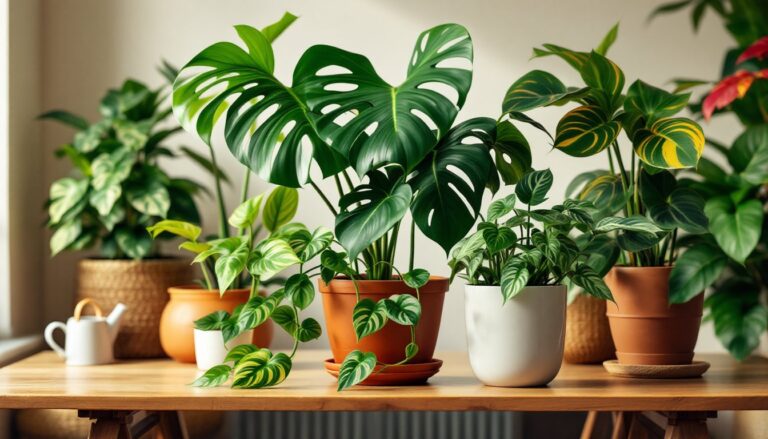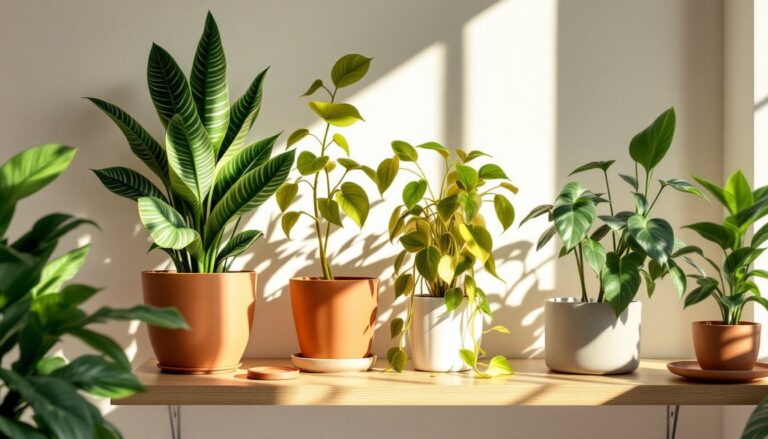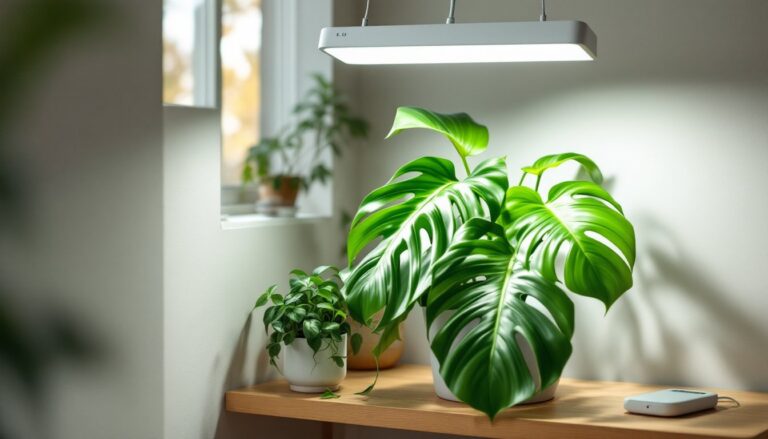
Walking into a nursery’s tropical section can feel like entering a jungle without a map, labels everywhere, Latin names, and plants that all look vaguely similar until you learn what to look for. Knowing the right tropical house plants names helps cut through the confusion. Whether you’re hunting for a low-maintenance corner filler or a dramatic statement piece, understanding which plants belong to which category makes shopping and care a whole lot easier. This guide breaks down the most reliable tropical varieties by size, care level, and visual impact so you can pick the right plant for your space and skill level.
Table of Contents
ToggleKey Takeaways
- Tropical house plants names clarify plant identity and care requirements, making it easier to select varieties suited to your home’s light, humidity, and skill level.
- Large statement tropicals like Monstera Deliciosa and Bird of Paradise require bright indirect light, well-draining soil, and a 3–4 foot footprint when mature.
- Beginner-friendly tropical house plants such as Pothos, Snake Plant, and ZZ Plant tolerate low light and neglect, making them ideal for forgetful waterers.
- Colorful foliage tropicals like Calathea, Croton, and Chinese Evergreen add year-round visual interest without requiring consistent blooms.
- Tropical flowering plants including Anthurium, Orchids, and Peace Lily reward proper care with months of color, but need bright indirect light and proper humidity to thrive indoors.
- Wipe large tropical leaves monthly to prevent dust buildup that blocks light absorption, and prune regularly to encourage bushier growth in vining varieties like Pothos and Philodendron.
What Makes a House Plant Tropical?
A plant earns the “tropical” label when it originates from warm, humid regions near the equator, think rainforests, jungles, and coastal zones. These plants evolved in environments with consistent warmth (typically 65–85°F), high humidity (50–80%), and dappled or indirect light filtering through tree canopies.
Indoors, that translates to a few practical needs: they don’t tolerate cold drafts, dry furnace air in winter can stress them out, and most prefer bright, indirect light rather than harsh direct sun. They’re not all divas, though. Many common tropical house plants have adapted well to indoor conditions and can handle average household humidity.
Key traits include broad, glossy leaves designed to capture diffuse light, and active growth during spring and summer with slower growth in winter. Unlike desert plants that store water in thick leaves, tropicals usually prefer evenly moist (not soggy) soil. If your home stays above 60°F year-round and you can provide moderate light, you’re already halfway there.
Popular Large Tropical House Plants for Statement Spaces
Monstera Deliciosa and Bird of Paradise
When you need a plant that commands attention, Monstera deliciosa (Swiss Cheese Plant) and Strelitzia reginae (Bird of Paradise) are hard to beat. Both can reach 6–8 feet indoors with proper care, and both bring architectural drama.
Monstera deliciosa is recognized instantly by its large, split leaves that develop fenestrations (holes and slits) as the plant matures. Younger plants have solid leaves: the splits appear once the plant is established and receiving adequate light. It’s a climbing vine in nature, so providing a moss pole or wooden stake encourages upward growth and larger leaves. Keep it in bright, indirect light and water when the top 2 inches of soil feel dry. It tolerates average indoor humidity but appreciates occasional misting or placement near a humidifier.
Bird of Paradise offers paddle-shaped leaves that fan out like a tropical sculpture. It needs more light than Monstera, place it within 3–5 feet of a south or west-facing window for best results. Mature plants (4+ years old) may produce orange and blue flowers indoors, though blooming is rare without very bright conditions. Both plants need pots with drainage holes and well-draining potting mix: root rot from standing water is the most common cause of failure.
These aren’t plants for tight corners. Plan for a footprint of at least 3–4 feet in diameter once mature, and avoid placing them in high-traffic areas where leaves can get damaged. According to experts at The Spruce, large tropical plants benefit from quarterly rotation to ensure even growth on all sides.
Low-Maintenance Tropical Plants Perfect for Beginners
Pothos, Snake Plant, and ZZ Plant
If you’re new to houseplants or tend to forget watering schedules, these three are your safety net. They tolerate neglect better than most tropicals and bounce back from mistakes.
Pothos (Epipremnum aureum) is a vining plant with heart-shaped leaves available in several varieties: Golden Pothos (green with yellow variegation), Marble Queen (white and green), Neon (chartreuse), and Jade (solid green). It thrives in low to bright indirect light, though variegated types need more light to maintain their patterns. Water when the soil is dry 1–2 inches down. Pothos is highly forgiving, if you underwater, it wilts but recovers quickly once watered. It’s toxic to pets, so keep it out of reach.
Snake Plant (Dracaena trifasciata, formerly Sansevieria) has stiff, upright leaves with striped patterns. It tolerates low light, irregular watering, and dry air better than almost any other houseplant. In fact, overwatering is the main way to kill it. Let the soil dry completely between waterings, and in winter, you might water only once a month. It’s ideal for offices, bathrooms, or north-facing rooms.
ZZ Plant (Zamioculcas zamiifolia) has thick, waxy leaflets on arching stems that grow from underground rhizomes (storage organs). It handles low light and drought thanks to those rhizomes, which store water. Like Snake Plant, it’s more likely to suffer from overwatering than underwatering. Empty the saucer after watering so roots don’t sit in moisture.
All three are types of tropical plants that don’t require high humidity, making them perfect for centrally heated or air-conditioned homes.
Colorful Tropical Foliage Plants to Brighten Your Home
Not all tropical interest comes from flowers, foliage alone can deliver serious color. These plants offer reds, pinks, purples, and variegated patterns that stay vibrant year-round.
Calathea varieties (also called Prayer Plants) feature patterned leaves with stripes, spots, or contrasting undersides in shades of pink, purple, and burgundy. Calathea ornata has pink pinstripes on dark green leaves, while Calathea roseopicta has concentric circles of pink and green. They prefer medium to bright indirect light and consistent moisture, don’t let the soil dry out completely. They’re sensitive to fluoride and chlorine in tap water: use distilled or rainwater if leaf edges turn brown.
Croton (Codiaeum variegatum) is bold and unapologetic, with thick, glossy leaves in combinations of red, orange, yellow, green, and purple. It needs bright light to maintain color intensity: in low light, new leaves will be mostly green. Crotons are more demanding than Pothos, they like warmth (above 60°F always) and humidity above 50%. Place them near a south or west window and mist regularly or use a pebble tray.
Chinese Evergreen (Aglaonema) offers a gentler color palette, silver, pink, or red variegation on green leaves depending on the cultivar. It tolerates lower light than Croton and is less fussy about humidity. Varieties like ‘Red Valentine’ and ‘Pink Dalmatian’ bring color without drama.
For maximum impact, group indoor tropical house plants with contrasting leaf shapes and colors. A Calathea next to a Snake Plant and a Croton creates a dynamic, layered display. According to Better Homes & Gardens, grouping plants also raises local humidity as they transpire, benefiting humidity-loving varieties.
Tropical Flowering House Plants That Thrive Indoors
Flowers indoors are a bonus, not a given, but these tropicals bloom reliably with the right conditions.
Anthurium produces waxy, heart-shaped “flowers” (actually spathes) in red, pink, white, or purple, with a central spadix. Blooms can last 6–8 weeks, and with good care, plants rebloom throughout the year. They need bright, indirect light and high humidity. Place them near an east-facing window or a few feet back from a south window. Keep soil lightly moist and fertilize monthly during the growing season with a balanced, water-soluble fertilizer diluted to half strength.
African Violet (Saintpaulia) is technically subtropical, but it fits the tropical care profile. It blooms repeatedly under the right conditions: bright, indirect light (or 12–14 hours under a grow light), evenly moist soil, and temperatures between 65–75°F. Water from the bottom to avoid spotting the fuzzy leaves, and use room-temperature water.
Orchids (Phalaenopsis, or moth orchids, are the easiest for beginners) bloom for months and rebloom annually with proper care. They need bright, indirect light and should be potted in bark mix, not potting soil. Water once a week by running water through the pot and letting it drain completely, never let roots sit in water. After blooms fade, cut the spike above a node to encourage a second flush, or cut it to the base for the plant to focus energy on new growth.
Peace Lily (Spathiphyllum) has white spathes that appear in spring and summer. It tolerates lower light than most flowering plants and will even bloom in medium light. It’s also a good air purifier, though it’s toxic to pets.
Flowering tropicals often need a rest period after blooming. Reduce watering slightly and skip fertilizer for 4–6 weeks to let the plant recharge. Many tropical big leaf house plants focus energy on foliage rather than flowers indoors, so if blooms are a priority, stick with proven indoor bloomers like Anthurium and Phalaenopsis orchids.
Safety note: Wear gloves when handling Anthurium, Croton, and Pothos, all contain calcium oxalates that can irritate skin. Keep them away from children and pets.
If you’re working with large leaf house plants, remember that bigger leaves collect dust, which blocks light absorption. Wipe them monthly with a damp cloth. For tropical common house plants like Pothos and Philodendron, regular pruning encourages bushier growth, trim just above a leaf node.
Resources like Gardenista’s tropical plant guide provide species-specific care details and troubleshooting tips for maintaining healthy growth year-round.