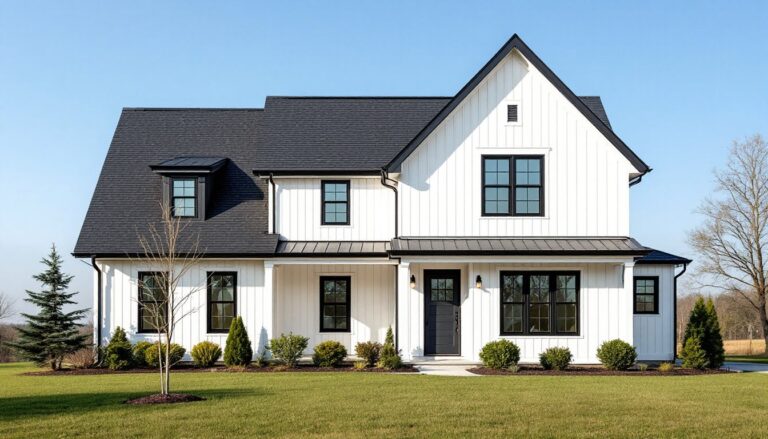
Tiny house parks have evolved from niche experiments into legitimate housing solutions, offering a middle ground between traditional homeownership and transient RV living. These intentional communities combine the freedom of small-space living with the stability of a permanent address, shared amenities, and neighbors who’ve made the same downsizing commitment. Whether someone’s chasing financial independence, environmental goals, or simply tired of maintaining 2,400 square feet they don’t use, a gracious tiny house park provides infrastructure, community, and often a faster path to ownership than conventional real estate. But not all parks are created equal, zoning, build quality, and community culture vary widely.
Table of Contents
ToggleKey Takeaways
- A gracious tiny house park combines affordable lot rentals ($400–$800/month) with ownership of your tiny home, offering financial freedom without the burden of a traditional mortgage and property tax.
- Zoning and legal permanence are critical—verify the park operates under stable zoning (not temporary conditional permits) and review lease terms covering utilities, pet policies, maintenance, and design restrictions before committing.
- Shared amenities like community kitchens, workshops, and guest parking reduce the trade-offs of small-space living while fostering intentional communities of like-minded residents.
- Design quality and material choices matter—invest in proper insulation, energy-efficient systems, and durable finishes to avoid long-term regret, as tiny house depreciation can be steep if quality cuts corners.
- Visit prospective tiny house parks at different times to assess noise, privacy, resident turnover, and governance structure (professional management vs. resident co-ops) before moving.
- Financing requires creativity since most lenders avoid tiny homes; explore RV loans, personal loans, or cash savings, and plan to stay 5–7 years to recover transport and setup costs.
What Is a Gracious Tiny House Park?
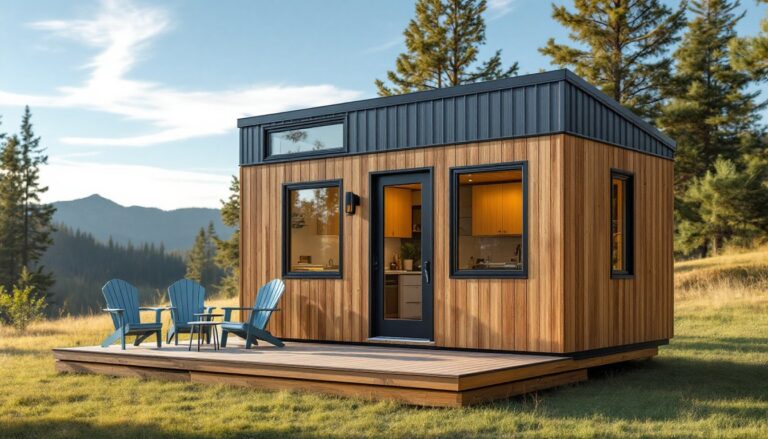
A gracious tiny house park is a planned residential community designed specifically for tiny homes, typically ranging from 100 to 400 square feet. Unlike RV parks or mobile home communities, these developments cater to RVIA-certified tiny houses on wheels (THOWs) or permanently anchored park model homes built to IRC Appendix Q standards.
The “gracious” distinction isn’t just marketing, it signals higher design standards, thoughtful site planning, and amenities that go beyond gravel pads and a shared spigot. Expect paved roads, landscaped common areas, individual utility hookups (30- or 50-amp electrical service, municipal water and sewer or approved septic systems), and often community buildings with shared kitchens, laundry, or workshop space.
Most parks operate on a land-lease model: residents own their tiny home but rent the lot monthly, similar to a mobile home park. Lease rates typically range from $400 to $800/month depending on location, amenities, and whether utilities are included. Some newer developments offer lot purchase options, but those are rarer and require navigating local zoning that treats tiny houses as accessory dwelling units (ADUs) or recreational vehicles rather than primary residences.
Zoning remains the biggest hurdle. Many municipalities still classify tiny houses on wheels as RVs, limiting how long they can be parked on private property. Parks that meet local building codes, fire access standards, and minimum lot sizes create a legal workaround, functioning as planned unit developments (PUDs) or manufactured home communities under state law.
Key Features and Amenities to Expect
A well-designed tiny house park balances individual privacy with shared resources. Core infrastructure includes concrete or gravel pads (minimum 8×20 feet for a THOW, often 10×30 feet for outdoor living space), hookups for fresh water, gray and black water disposal, and electrical service rated for residential use, not the 15-amp outlets common in campgrounds.
Utility metering varies. Some parks bundle water, sewer, and trash into the lot fee: others install individual meters and bill separately. Electrical service is almost always metered individually. High-quality parks run underground utilities to avoid the visual clutter of overhead lines and surface conduit.
Common amenities often include:
- Community building with full kitchen, seating, and often a tool library or maker space
- Laundry facilities (tiny homes rarely fit full-size washers)
- Mail delivery to a centralized kiosk or individual boxes
- Dog parks or pet stations (tiny house owners skew heavily toward pet ownership)
- Guest parking (tiny homes don’t have driveways)
- Fire pits or outdoor gathering areas
Some parks add co-working spaces, gardens, or workshop buildings with table saws, welders, and communal tools, valuable for residents who don’t have room for a garage. The best communities incorporate sustainable home design principles like rainwater catchment, solar arrays, and native landscaping that reduces maintenance and irrigation.
Internet access is non-negotiable in 2026. Parks should offer either fiber or reliable cable service: cellular hotspots and satellite don’t cut it for remote work or streaming. Clarify whether Wi-Fi is included or if residents contract individually with providers.
Benefits of Living in a Tiny House Park Community
The financial case is straightforward. A $60,000 tiny home plus a $600/month lot lease beats a $350,000 mortgage in most markets, even accounting for the lack of equity in land. Maintenance costs drop dramatically, no roof to replace, no HVAC system servicing a cathedral ceiling, no property tax on 0.25 acres.
Community structure solves one of tiny living’s biggest challenges: legal parking. Finding a private lot that allows a tiny house long-term, passes inspections, and doesn’t violate HOA covenants is harder than building the house itself. Parks handle permitting, fire marshal inspections, and code compliance at the development level.
Shared amenities reduce the compromises of small-space living. Hosting a dinner party in a 200-square-foot home is tight: hosting in a community clubhouse with a full kitchen is normal. Need to rip plywood on a table saw? Use the workshop. Dog needs to run? There’s a fenced area.
Many residents cite social benefits as the top draw. Tiny house parks attract like-minded people, whether that’s minimalists, early retirees, remote workers, or environmentalists. Communities often organize potlucks, skill shares, or group projects. It’s closer to co-housing than a typical subdivision, though personality conflicts and governance disputes happen just like anywhere.
From an organizational and decluttering standpoint, tiny living forces intentionality. Every item earns its place. Storage becomes vertical. Furniture multitasks. It’s not for everyone, but those who thrive in small spaces often describe it as freeing rather than restrictive.
How to Choose the Right Tiny House Park for Your Lifestyle
Start with location and zoning permanence. Is the park on land zoned specifically for tiny houses or manufactured housing, or is it operating under a conditional use permit that could be revoked? Ask to see the zoning approval and any deed restrictions. Parks in unincorporated areas may have fewer zoning protections if the county decides to change land use policies.
Review the lease agreement carefully. Key terms include:
- Lease duration and renewal terms (month-to-month vs. annual)
- Utility inclusion and billing method
- Pet policies (breed restrictions, number limits, leash rules)
- Guest and visitor policies
- Maintenance responsibilities (who mows, plows snow, repairs roads?)
- Home size and design restrictions
- Rules on additions, decks, or sheds
Some parks require design approval before move-in, understandable for maintaining aesthetic cohesion, but it can limit customization. Others enforce strict rules on exterior colors, roofing materials, or landscaping. If someone’s building a custom tiny home, those restrictions matter.
Community governance varies. Some parks are managed by a developer or property management company: others operate as resident-run cooperatives. Each model has pros and cons. Professional management means consistent rule enforcement and maintenance, but less resident control. Co-ops offer more autonomy but require volunteer time and can struggle with decision-making.
Visit during different times of day and week. Talk to current residents about noise, privacy, turnover, and how conflicts get resolved. Ask about the average length of residency, high turnover suggests problems. Check proximity to grocery stores, healthcare, and work (if not remote). A cheap lot two hours from civilization loses appeal fast.
Confirm utility reliability. Is water from a well or municipal supply? Is the septic system sized for the current and planned number of homes? What’s the backup plan if power goes out, are residents expected to have generators?
Design and Customization Options for Your Tiny Home
Most parks accept factory-built tiny homes from established builders (Tumbleweed, New Frontier, Tiny Heirloom) or custom DIY builds that meet RVIA or NOAH certification standards. Some require third-party inspection before move-in to verify electrical, plumbing, and structural safety.
For DIY builders, design starts with the trailer frame. Use a dedicated tiny house trailer rated for residential loads, not a utility or cargo trailer. Standard sizes are 8.5 feet wide by 20, 24, or 28 feet long. Anything over 8.5 feet wide requires an oversize transport permit and escort vehicles.
Framing typically uses 2×4 studs on 16-inch centers for walls and 2×6 or engineered joists for the loft floor, depending on span and load. Keep total weight under 10,000 pounds if the home will be moved regularly: heavier builds stress axles and require larger tow vehicles.
Interior layout revolves around the kitchen, bathroom, and sleeping loft. Standard appliances won’t fit, look for 24-inch ranges, apartment-size refrigerators (10-12 cubic feet), and RV or marine toilets. Composting toilets (Nature’s Head, Sun-Mar) eliminate the need for black water tanks but require regular maintenance.
Electrical systems in certified tiny homes follow NEC Article 550 (mobile homes) or Article 551 (RVs). Use a 50-amp RV-style inlet if the park provides it, or hardwire a main breaker panel if the home will stay put. Budget 100-150 watts per square foot for heating and cooling loads.
Insulation matters in small spaces. Spray foam (closed-cell, R-6 to R-7 per inch) is common in walls and roofs, though it’s expensive and requires professional installation. Mineral wool batts (Roxul, R-15 in a 2×4 wall) offer a budget-friendly, DIY-friendly alternative with better fire resistance. Skip fiberglass, it compresses during transport.
Exterior finishes range from LP SmartSide (affordable, durable) to cedar shakes (beautiful, high-maintenance) to metal siding (modern, weatherproof). Many small space living enthusiasts prioritize materials that age well without constant upkeep. Standing-seam metal roofs handle snow loads and last 40+ years.
Customization inside the park often includes decks, awnings, or screened porches. Check park rules, some allow permanent structures, others require removable or trailer-mounted designs.
Cost Considerations and Budgeting Tips
Budget for the tiny home itself, the lot lease, and ongoing costs. Factory-built tiny homes range from $50,000 to $150,000 depending on size, finishes, and builder. DIY builds run $20,000 to $60,000 in materials if someone provides the labor and has access to tools.
Monthly lot fees vary regionally: $300-500/month in rural areas, $600-900/month near cities. Add utilities if not included, expect $50-100/month for electricity (tiny homes are efficient but rely heavily on electric heating and cooling), $30-50 for water/sewer, and $20-40 for trash and internet.
Insurance is tricky. Tiny houses on wheels aren’t covered by standard homeowners policies. Look for RV insurance (if RVIA-certified) or specialty tiny home insurance (through providers like Strategic Insurance or Thimble). Annual premiums run $600-1,200 depending on value and coverage.
Hidden costs include:
- Transport to the park: $2-5/mile for professional towing
- Leveling and setup: $500-1,500 for pier blocks, skirting, and deck anchors
- Utility hookup fees: some parks charge $200-500 for connection
- Annual inspection or registration fees: varies by park
Financing is harder than traditional mortgages. Most lenders won’t write mortgages on homes under 400 square feet or without permanent foundations. Options include RV loans (if certified), personal loans, or builder financing (often at higher rates, 7-10%). Many buyers save and pay cash.
Resale value is unpredictable. High-quality builds from known builders hold value better, but the market is still niche. Plan to stay at least 5-7 years to avoid losing money on depreciation and transport costs.
To keep costs down, prioritize energy efficiency (good insulation, LED lighting, mini-split heat pumps), buy used or surplus materials where safe (windows, cabinets, fixtures), and do finish work yourself even if you hire out framing and utilities.
Conclusion
Tiny house parks offer a viable path to affordable, community-oriented living, but they require assignments. Vet the park’s legal standing, lease terms, and resident culture before committing. Design and build with quality materials and realistic budgets, tiny doesn’t mean cheap, and cutting corners on insulation or framing leads to regret. Done right, a gracious tiny house park delivers financial flexibility, reduced environmental impact, and a built-in community of people who’ve chosen intentional downsizing over default consumption.