Adding green indoor plants to your home isn’t just about aesthetics, it’s about creating a healthier, more livable space. Plants filter air, regulate humidity, and bring a sense of calm to rooms that might otherwise feel sterile or static. Whether you’re working with a sun-drenched living room or a dim basement office, there’s a green plant that’ll thrive in your conditions. This guide walks you through the essentials: why they matter, which ones are foolproof for beginners, how to keep them alive, and how to arrange them so they actually look like they belong.
Table of Contents
ToggleKey Takeaways
- Green indoor plants actively filter air by removing volatile organic compounds and can reduce airborne toxins by up to 87% in 24 hours while increasing indoor humidity by 5–10%.
- Beginner-friendly green indoor plants like pothos, snake plants, and ZZ plants thrive in low light and tolerate neglect, making them ideal for dim rooms and busy homeowners.
- Overwatering is the most common mistake—water only when the top 1–2 inches of soil feel dry and always use pots with drainage holes to prevent root rot.
- Bright, indirect light near north- or east-facing windows is ideal for most houseplants, and affordable LED grow lights ($20–40) expand your options for windowless spaces.
- Group plants by height and texture, use vertical space with wall-mounted planters, and place them strategically near workbenches or in kitchens to combine aesthetics with natural air filtration benefits.
Why Green Indoor Plants Are Essential for Every Home
Green plants do more than fill empty corners. They actively improve indoor air by absorbing carbon dioxide and releasing oxygen, some species even filter out volatile organic compounds (VOCs) like formaldehyde and benzene, common in paint, furniture, and cleaning products. Studies on indoor air purification have shown that certain houseplants can reduce airborne toxins by up to 87% in 24 hours.
Beyond air quality, plants increase humidity through transpiration, which can reduce dry skin, sore throats, and respiratory irritation, especially in winter when forced-air heating dries out indoor spaces. A room with several plants can see humidity levels rise by 5–10%, enough to make a noticeable difference without running a humidifier.
There’s also the mental health angle. Green spaces reduce stress and improve focus, and that benefit doesn’t vanish indoors. A plant on your desk or kitchen counter offers a low-maintenance way to bring a bit of the outdoors into daily routines. For DIYers tackling long projects, a few well-placed plants can make a workshop or garage feel less industrial and more inviting.
Best Green Indoor Plants for Beginners
Low-Light Green Plants That Thrive Indoors
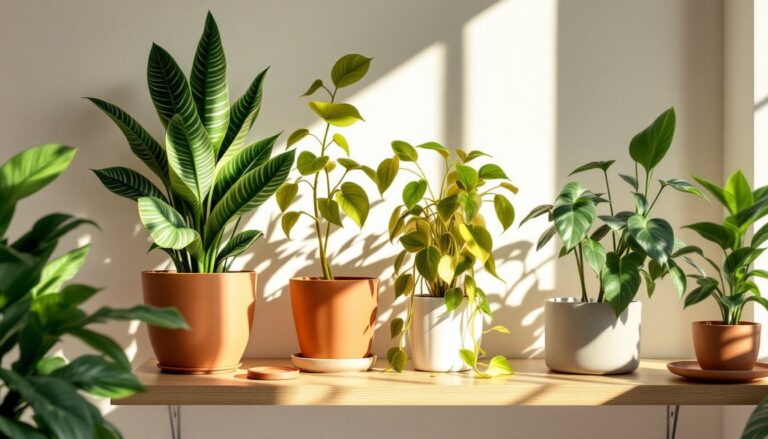
Not every room gets bright, direct sunlight, and that’s fine. Some of the toughest green plants actually prefer low to moderate light. Pothos (Epipremnum aureum) is the go-to for dim spaces, it tolerates neglect, grows fast, and trails beautifully from shelves or hanging planters. Its vines can stretch several feet, and you can propagate cuttings in water to start new plants.
Snake plants (Sansevieria trifasciata) are nearly indestructible. They tolerate low light, irregular watering, and a range of temperatures. Their upright, sword-like leaves fit neatly in corners or next to furniture. They’re also one of the few plants that release oxygen at night, making them a solid choice for bedrooms.
ZZ plants (Zamioculcas zamiifolia) have thick, waxy leaves that store water, so they can go weeks without a drink. They handle low light and fluctuating indoor temps without complaint. If you’ve killed plants before, start here. For more low-light tolerant varieties, consider cast iron plants or philodendrons, both forgive a lot of mistakes.
Easy-Care Green Plants for Busy Homeowners
If you’re juggling work, projects, and life, you need plants that don’t demand daily attention. Spider plants (Chlorophytum comosum) are forgiving and adaptable. They produce offshoots, “pups”, that you can snip off and pot separately. They prefer bright, indirect light but tolerate a range of conditions. Water when the top inch of soil feels dry.
Rubber plants (Ficus elastica) have large, glossy leaves and grow steadily with minimal fuss. They like bright, indirect light but adapt to lower levels. Wipe the leaves down every few weeks to keep them dust-free and photosynthesizing efficiently. Many common tropical house plants share this trait, they’re built to handle inconsistent conditions.
Chinese evergreen (Aglaonema) offers variegated green foliage and tolerates low light, dry air, and irregular watering. It’s slower-growing than pothos but just as reliable. Rotate it occasionally to keep growth even. If you’re exploring house plants for beginners, these species offer the best ratio of visual impact to maintenance effort.
How to Care for Your Green Indoor Plants
Watering is where most people go wrong. Overwatering kills more plants than underwatering. Most green houseplants prefer to dry out slightly between waterings. Stick your finger 1–2 inches into the soil, if it’s dry, water thoroughly until it drains from the bottom. If it’s still moist, wait a few days. Use pots with drainage holes and empty saucers after watering to prevent root rot.
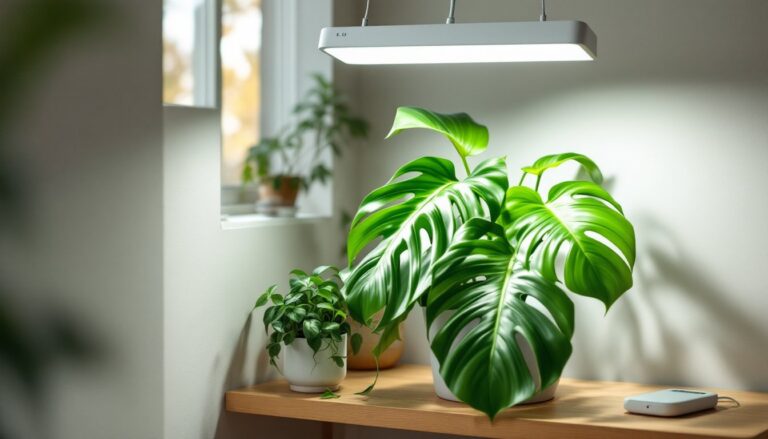
Light requirements vary by species, but most green plants thrive in bright, indirect light, near a north- or east-facing window is ideal. Direct sun can scorch leaves, especially for tropical varieties. If you’re working with a windowless room, consider a full-spectrum LED grow light. A basic unit with a timer runs about $20–40 and extends your plant options significantly.
Soil and potting matter more than you’d think. Use a well-draining potting mix, not garden soil. Most houseplants do well in a blend of peat moss (or coco coir), perlite, and compost. When repotting, go up one pot size, usually 1–2 inches larger in diameter. Repot every 1–2 years or when roots start circling the bottom.
Fertilizing isn’t complicated. Use a balanced, water-soluble fertilizer (like 10-10-10 or 20-20-20) diluted to half strength during the growing season (spring and summer). Feed once a month. In fall and winter, most plants enter dormancy and don’t need extra nutrients. If you’re experimenting with broad leaf house plants, they often appreciate a bit more humidity, mist occasionally or group plants together to raise ambient moisture.
Dust and pests are maintenance issues worth addressing. Wipe leaves with a damp cloth monthly to remove dust, which blocks light absorption. Watch for common pests like spider mites, aphids, and fungus gnats. Inspect new plants before bringing them home, and isolate any with signs of infestation. Insecticidal soap or neem oil handles most problems if caught early.
Styling Your Space with Green Indoor Plants
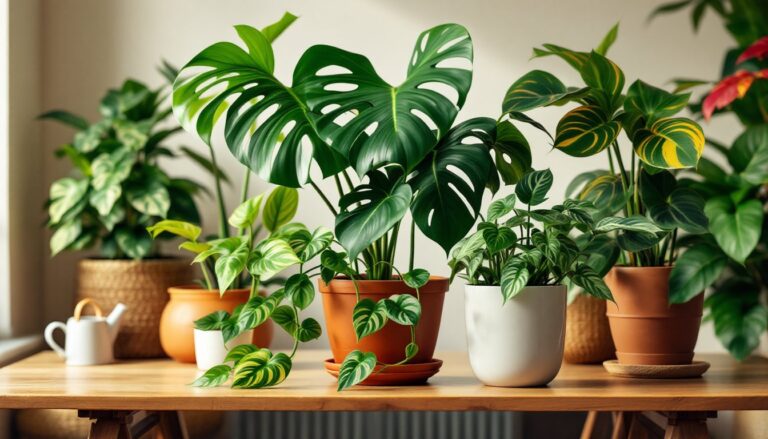
Plants aren’t just décor, they’re living elements that change how a room feels. Group plants by height and texture to create visual interest. Tall plants like fiddle-leaf figs or dracaenas anchor a corner, while trailing pothos or philodendrons soften shelves and cabinets. Mixing leaf shapes, narrow, broad, variegated, adds depth without clutter.
Use vertical space if floor area is tight. Wall-mounted planters, hanging pots, and macramé hangers take advantage of unused wall and ceiling real estate. Just make sure the fixture is anchored to a stud or uses appropriate wall anchors for the weight. A 6-inch ceramic pot with soil and a mature plant can weigh 5–10 pounds.
Consider planter materials based on the room’s style and moisture needs. Terracotta breathes well and suits plants that prefer drier soil, but it wicks moisture and can leave rings on wood surfaces, use saucers. Glazed ceramic and plastic retain moisture longer, which works for thirstier species. For a modern look, try concrete or metal planters, but add a plastic liner if they lack drainage.
Functional placement matters, especially in a DIY or workshop setting. Plants near workbenches can soften harsh lighting and reduce dust (they act as natural air filters). In kitchens, herbs and small foliage plants fit on windowsills or open shelving. In bathrooms with windows, humidity-loving ferns and green leaf house plants thrive in the steam from showers.
For resources on plant styling and arrangement ideas, The Spruce offers practical guides that pair well with hands-on projects. If you’re working with larger specimens, explore long leaf house plants or indoor tropical house plants to add bold, architectural elements to open floor plans.
Conclusion
Green indoor plants are one of the simplest, most effective upgrades you can make to your home. They improve air quality, regulate humidity, and bring life to spaces that might otherwise feel flat. Start with a few low-maintenance varieties, nail the basics, water, light, and soil, and build from there. Whether you’re staging a living room or greening up a garage workshop, plants adapt to your space and grow with you.