Displaying indoor plants isn’t just about plopping a pot on a windowsill and calling it done. Thoughtful placement and creative arrangements can turn a scattered collection of greenery into a cohesive, living design element that improves both aesthetics and function. Whether dealing with a studio apartment or a sprawling home, the right display strategy makes plants easier to maintain, keeps them healthier, and maximizes visual impact. This guide breaks down where to put plants, how to showcase different types, and what mistakes to sidestep along the way.
Table of Contents
ToggleKey Takeaways
- Proper indoor plant display improves aesthetics and health by matching placement to light requirements, with most houseplants needing 100–200 foot-candles of light minimum.
- South-facing windows are ideal for sun-loving plants, while east-facing windows suit tropical varieties, and north-facing areas work for shade-tolerant species like pothos and snake plants.
- Secure all elevated plant displays into wall studs, use anchors rated for at least 20–50 pounds, and ensure proper drainage with trays to prevent water damage and pest issues.
- Creative display methods like floating shelves, tiered stands, and macramé hangers transform scattered plants into cohesive design elements while improving air circulation and pet safety.
- Avoid common mistakes including overcrowding (which restricts airflow), placing plants near heating vents, using decorative pots without drainage, and ignoring the toxic properties of species like pothos and philodendron around pets and children.
- Grouping plants by similar watering needs and rotating them monthly in lower-light areas ensures easier maintenance and even growth across your home.
Why Plant Placement and Display Matter for Your Home
Poor plant placement kills more houseplants than neglect. A low-light species stuck in direct sun will scorch: a humidity-loving fern on a hot radiator vent will crisp up within days. Beyond survival, placement affects how plants integrate into daily routines, a countertop herb garden is convenient for cooking, but a potted palm blocking a hallway becomes a tripping hazard.
Display choices also influence maintenance. Grouping plants with similar watering needs on a single tray makes care simpler. Elevating plants on stands or shelves keeps them out of reach of pets and small children while improving air circulation around the foliage, which helps prevent fungal issues.
From a design perspective, plants add texture, color, and vertical interest. A tall snake plant in a corner draws the eye upward, making a room feel taller. Trailing pothos on a high shelf softens hard edges and fills empty space without cluttering surfaces. Proper display turns plants into functional decor, not just afterthoughts.
Consider structural limits, too. Heavy planters, especially those with ceramic or concrete pots filled with wet soil, can weigh 20–40 pounds or more. Shelving must be anchored to studs or use appropriate wall anchors rated for the load. Floating shelves attached with drywall anchors alone won’t cut it for large planters.
Best Locations to Display Indoor Plants
South-facing windows offer the brightest light, ideal for succulents, cacti, and flowering plants like African violets. Expect 6–8 hours of direct sun in most climates, which can be intense in summer: sheer curtains diffuse the light if leaves start bleaching.
East-facing windows provide gentler morning sun and indirect light the rest of the day. This suits most common tropical house varieties, ferns, and philodendrons. West-facing windows get hot afternoon sun, fine for sun-tolerant plants but too harsh for shade-lovers.
North-facing windows deliver low, indirect light. Snake plants, ZZ plants, and pothos tolerate these conditions, though growth slows. If a north window is the only option, rotate plants monthly to ensure even exposure.
Bathrooms work well for humidity-loving species. Moisture-loving plants like Boston ferns and calatheas thrive here, provided there’s a window or grow light. Avoid placing plants directly above tubs where they’ll get drenched by shower spray.
Kitchens suit herbs (basil, parsley, thyme) and compact plants on counters or windowsills. Keep them away from stovetops, heat and oil splatters aren’t plant-friendly. Open shelving above sinks can hold trailing plants, but ensure pots have drainage trays to prevent water damage to wood.
Living rooms and entryways can handle larger floor plants, fiddle-leaf figs, rubber trees, or dracaena. Place them in corners or beside furniture to anchor the space. Avoid blocking walkways: leave at least 36 inches of clearance for traffic flow.
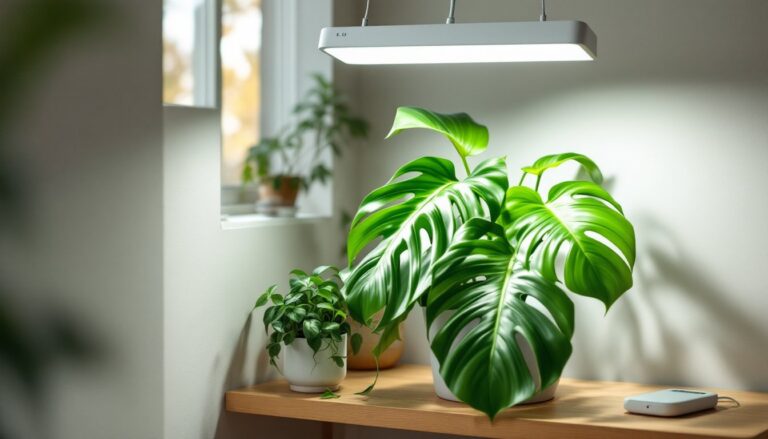
Low-light hallways or offices need low-maintenance, shade-tolerant options. Supplement with full-spectrum LED grow lights (look for bulbs rated 2,000–3,000 lumens) if natural light is minimal.
Creative Display Ideas for Different Plant Types
Matching display method to plant habit (trailing, upright, bushy) makes a difference in both health and aesthetics.
Hanging and Vertical Plant Displays
Macramé hangers and ceiling hooks work for trailing plants like pothos, string of pearls, or spider plants. Install hooks into ceiling joists, drywall anchors won’t hold swinging weight safely. Use a stud finder to locate joists, or opt for toggle bolts rated for at least 50 pounds if mounting between joists.
Wall-mounted planters and pocket systems turn vertical surfaces into green walls. Felt pocket planters hold lightweight potting mix and small plants (herbs, succulents). Ensure the wall can handle moisture: avoid drywall without waterproof backing in high-humidity areas. A simple DIY hanging plant wall can be assembled using a broomstick and macramé for a budget-friendly vertical display.
Tension rods in window frames support lightweight hanging pots without drilling. This method suits renters but has a weight limit, usually 5–10 pounds total. Don’t overload.
Ladder shelves lean against walls and provide multiple tiers for cascading plants. These units are stable when the top rail is secured to the wall with an L-bracket and screw into a stud. Without anchoring, a curious pet or nudge can topple the whole setup.
Shelving and Tiered Plant Stands
Floating shelves mounted at staggered heights create visual rhythm. Use 16-inch on-center studs for wood-framed walls: masonry walls need concrete anchors. Install shelves at varying depths, 6-inch shelves for small pots, 10–12 inches for medium planters.
Corner shelves maximize underused space. Triangular units fit snugly and hold several small to medium pots. Ensure each shelf can support at least 15–20 pounds when wet.
Plant stands (metal, wood, or rattan) elevate single large plants or group several smaller ones. Tiered stands work well for showcasing long leaf house plants at different heights, creating a layered look. Look for powder-coated metal or sealed wood to resist moisture damage.
Bookshelves double as plant displays. Leave the top shelf for trailing plants: lower shelves hold upright types. Mix plants with books and decor to avoid a cluttered look. Keep plants away from heating vents along baseboards.
Rolling carts with multiple tiers allow easy repositioning. These work in kitchens for herbs or in living areas where light conditions change seasonally. Lockable wheels prevent unintended movement.
Choosing the Right Containers and Planters
Drainage is non-negotiable for most indoor plants. Pots without drainage holes cause root rot unless you’re experienced with precise watering. If using a decorative cachepot (outer container without drainage), place a draining nursery pot inside and remove it to water, letting excess drain before returning it.
Terracotta pots are porous, wicking moisture away from soil, good for succulents and plants prone to overwatering, but they dry out fast for thirsty tropicals. They’re also heavy and breakable. Seal the exterior with a water-based sealer to reduce evaporation if needed.
Ceramic and glazed pots retain moisture longer and come in endless styles. Ensure they have drainage holes. Glazed interiors prevent soil from bonding to the pot, making repotting easier.
Plastic pots are lightweight, inexpensive, and hold moisture well, ideal for ferns or broad leaf house plants that like consistent moisture. They lack the heft to anchor top-heavy plants: use a heavier cachepot or add rocks to the bottom for stability.
Self-watering planters have a reservoir that wicks water into the soil. These suit busy schedules but aren’t ideal for all species, overwatering-prone plants like succulents or snake plants won’t thrive. Follow fill guidelines: overfilling defeats the purpose.
Hanging planters need secure attachment points and drip trays unless you enjoy mopping. Look for saucers that attach directly to the pot or sit inside the hanger.
Size matters. A pot should be 1–2 inches larger in diameter than the current root ball for repotting. Overly large pots hold excess moisture, increasing rot risk. Match pot depth to root type: shallow pots for succulents, deeper ones for tap-rooted plants.
Choose finishes that complement existing decor. Neutral tones (white, black, gray, natural terracotta) blend into most spaces: colorful or patterned pots become focal points. Staging house plants strategically around a room can tie together design elements and make spaces feel intentionally curated.
Common Mistakes to Avoid When Displaying Indoor Plants
Ignoring light requirements is the top killer. A plant tag says “bright indirect light,” but that doesn’t mean a dim corner will work. Use a light meter app (many are free) to measure foot-candles: most houseplants need 100–200 FC minimum, with bright-light plants wanting 400+ FC.
Overcrowding looks messy and restricts airflow, inviting pests and disease. Leave space between pots for air circulation. Group plants by care needs, not just aesthetics, cactus and ferns don’t belong on the same tray.
Skipping drainage trays leads to water damage on floors, shelves, and sills. Even “careful” watering can result in overflow. Use saucers sized to catch runoff, and empty them after watering to prevent mosquitoes in standing water.
Placing plants near heating/cooling vents causes temperature stress. Forced air dries out foliage and soil rapidly. Keep plants at least 3 feet from vents or registers.
Using decorative pots without drainage and watering directly into them creates a hidden swamp at the bottom. Either drill drainage holes (use a masonry bit for ceramic at low speed with water to cool the bit) or use the double-pot method.
Hanging plants too high makes watering a hassle and prevents regular inspection for pests. Keep them within reach or use a step stool. Install pulleys if you want high placement but easy access.
Neglecting weight limits on shelves and hooks risks property damage and injury. A gallon of water weighs 8.3 pounds: add soil, pot, and plant, and a large planter easily exceeds 30 pounds. Check shelf and hook ratings, and anchor into studs.
Forgetting pet and child safety can lead to poisonings or messes. Many common houseplants, pothos, philodendron, dieffenbachia, are toxic if ingested. Elevate these out of reach or choose non-toxic species like spider plants or Boston ferns if curious pets or toddlers are in the house. The types of tropical species often include both safe and toxic varieties, so verify before placing them within reach.
Seasonal light changes catch people off-guard. A south window that’s perfect in winter may scorch plants in summer. Be ready to move plants or add sheer curtains as the sun angle shifts.