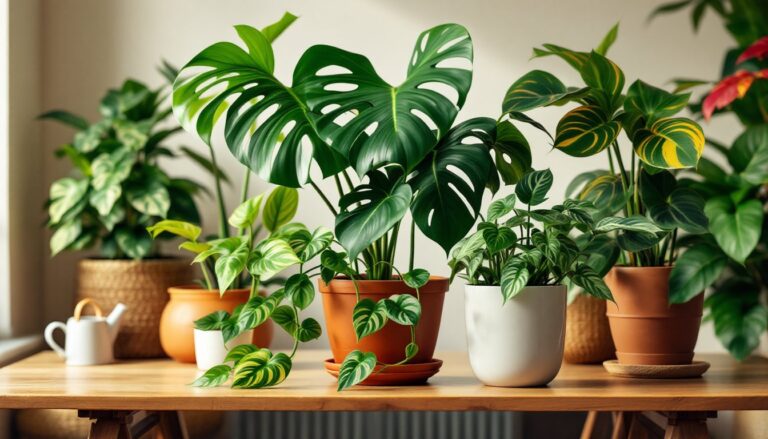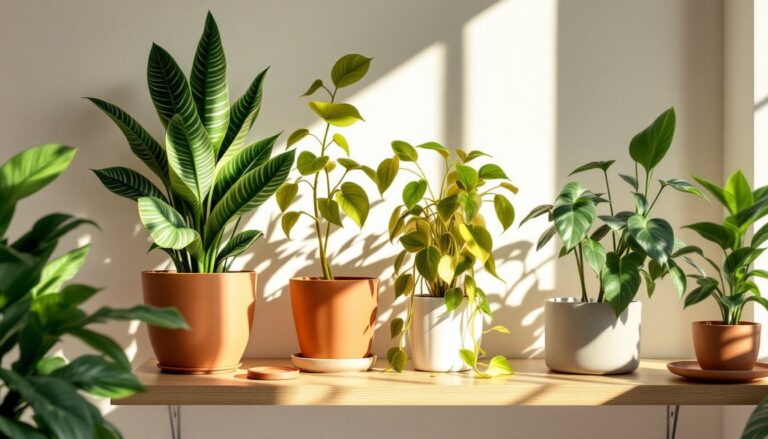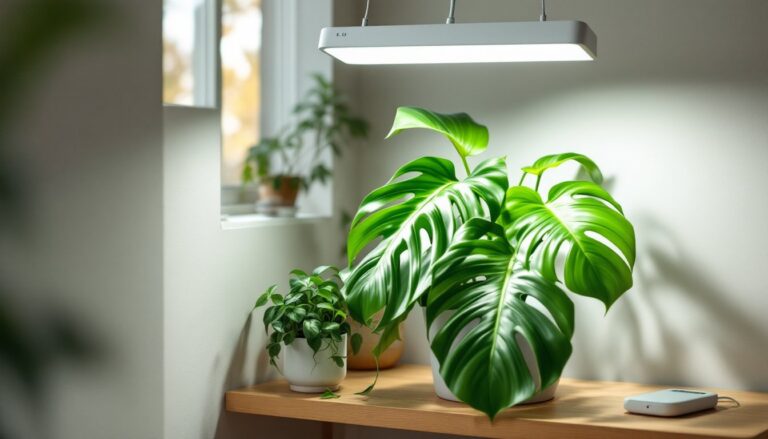
Not every room comes with floor-to-ceiling windows. Basements, bathrooms, interior hallways, and north-facing bedrooms often live in perpetual twilight, but that doesn’t mean they can’t support greenery. Low light plants are purpose-built for these shadowy corners, evolved over millennia to thrive under forest canopies where direct sunlight is a rare commodity. They won’t demand a sunny windowsill or a grow light, and many tolerate the kind of neglect that kills sun-loving tropicals. If you’ve written off houseplants because your space feels more cave than conservatory, this guide will show you which species not only survive but actually flourish in dim conditions.
Table of Contents
ToggleKey Takeaways
- Low light plants are evolved to thrive in shadowy spaces like basements and north-facing rooms, requiring minimal sunlight and irregular watering schedules.
- Snake plants, pothos, and ZZ plants are bulletproof low light species that tolerate light levels as low as 25–100 foot-candles and can survive weeks without water.
- Overwatering is the primary threat to low light plants; always check soil moisture 2–3 inches down before watering since slower photosynthesis means reduced water use.
- Use well-draining potting mixes amended with perlite or orchid bark in a 2:1 ratio to prevent root rot and ensure plant health in dim conditions.
- Many low light plants such as snake plants and pothos act as natural air purifiers, removing harmful toxins like formaldehyde and benzene from indoor spaces.
Why Low Light Plants Are Perfect for Your Home
Low light plants solve two common problems: they green up spaces that conventional houseplants can’t handle, and they demand minimal upkeep. Most evolved in the understory of tropical forests, where the canopy blocks 90% of sunlight. That evolutionary backstory translates to a tolerance for indirect light, artificial office lighting, or even windowless rooms with overhead LEDs.
They’re also forgiving of irregular watering schedules. Many store water in thick rhizomes, fleshy leaves, or waxy cuticles, which means you can skip a week (or two) without triggering a plant emergency. For renters, shift workers, or anyone juggling a packed schedule, that resilience is the difference between a thriving plant and a compost pile.
Another advantage: low light species tend to grow slowly, which means less pruning, less repotting, and less mess. You won’t find them overtaking a bookshelf or sending runners across the floor. They stay compact, manageable, and architecturally tidy, ideal for small apartments or rooms where square footage is at a premium.
Finally, many low light plants double as air purifiers. NASA’s Clean Air Study famously documented how species like snake plants and pothos remove formaldehyde, benzene, and trichloroethylene from indoor air. While you’d need a small forest to match a HEPA filter’s output, every bit helps in a tightly sealed modern home.
Top Low Light Indoor Plants That Thrive in Shade
Choosing the right plant for a dim room comes down to matching the species’ native habitat to your home’s light levels. The following three are bulletproof options, proven in apartments, offices, and even basement rec rooms.
Snake Plant: The Indestructible Air Purifier
Snake plant (Sansevieria trifasciata, also sold as Dracaena trifasciata) is the gold standard for low light tolerance. Its upright, sword-shaped leaves grow from thick rhizomes that store water for weeks, making it nearly impossible to kill through neglect. The plant performs CAM (Crassulacean Acid Metabolism) photosynthesis, which means it opens its stomata at night to minimize water loss, an adaptation to arid environments that also makes it one of the few plants that release oxygen after dark.
Snake plants tolerate light levels as low as 50 foot-candles (roughly equivalent to a dimly lit hallway or a room with one small window). They’ll grow faster in brighter indirect light, but they won’t sulk in a shadowy bathroom. Water only when the top 2–3 inches of soil are dry to the touch: overwatering is the only reliable way to kill one. Use a well-draining potting mix, 50% potting soil, 50% perlite or coarse sand works well.
Varieties like ‘Laurentii’ (yellow-edged leaves) and ‘Black Gold’ (dark green with chartreuse margins) add architectural interest to corners that would otherwise stay bare. Mature plants can reach 3–4 feet tall, but they grow slowly enough that repotting is a once-every-two-years task. If you’re just getting started with house plants for beginners, snake plants are a no-fail entry point.
Pothos: The Trailing Beauty That Grows Anywhere
Pothos (Epipremnum aureum) is the trailing vine you’ve seen cascading from office cubicles, hospital waiting rooms, and nearly every plant-filled Instagram post. It’s native to the rainforests of French Polynesia, where it climbs tree trunks in search of dappled light. Indoors, it’ll grow just as happily in a hanging basket or trained up a moss pole.
Pothos thrives in light levels as low as 75–100 foot-candles, though variegated varieties like ‘Marble Queen’ or ‘Pearls and Jade’ will lose their patterning in deep shade and revert to solid green (the plant’s way of maximizing chlorophyll for photosynthesis). If you want to preserve variegation, aim for bright indirect light: if you just want greenery, any corner with ambient light will do.
Water when the top 1–2 inches of soil feel dry. Pothos will droop dramatically when thirsty, but it perks up within hours of watering, a handy visual cue. The plant tolerates tap water, but if your municipality uses chloramine (common in urban areas), let water sit overnight before using, or switch to filtered water to avoid brown leaf tips.
Pothos is also one of the easiest plants to propagate. Snip a 4–6 inch stem cutting just below a node (the bumpy joint where leaves attach), place it in water, and roots will emerge in 7–10 days. It’s a low-cost way to fill multiple rooms or share plants with neighbors. For more forgiving varieties that thrive in similar conditions, moisture-loving plants offer additional options for high-humidity spaces.
ZZ Plant: Glossy Elegance With Zero Fuss
ZZ plant (Zamioculcas zamiifolia) looks like it belongs in a design magazine. Its glossy, pinnate leaves emerge from thick, potato-like rhizomes that store water and nutrients, allowing the plant to survive months of neglect. It’s native to eastern Africa, where it grows in seasonally dry forests, conditions that translate indoors to a preference for low light and infrequent watering.
ZZ plants tolerate light levels as low as 25–50 foot-candles, making them suitable for rooms with no natural light at all (think basement offices or interior bathrooms). They’ll grow faster and produce more leaves in moderate indirect light, but they won’t decline in dim conditions. The plant’s slow growth habit means you’ll repot every 2–3 years at most.
Water sparingly, every 2–3 weeks during the growing season, less in winter. The rhizomes will rot if kept too wet, so err on the side of drought. Use a chunky, fast-draining mix (standard potting soil amended with perlite or orchid bark in a 2:1 ratio). ZZ plants are also toxic if ingested, thanks to calcium oxalate crystals in the sap, so keep them out of reach of pets and kids. Wear gloves when handling cut stems to avoid skin irritation.
The cultivar ‘Raven’ features near-black foliage that emerges lime green and darkens over weeks, a striking contrast to the standard glossy green. Both forms pair well with minimalist interiors or alongside broad leaf house plants for textural variety.
Caring for Your Low Light Plants: Essential Tips for Success
Low light plants are forgiving, but they’re not invincible. A few core practices will keep them healthy for years.
Watering: The number-one killer of low light plants is overwatering. In dim conditions, photosynthesis slows, which means the plant uses less water. Soil stays wet longer, and roots suffocate or rot. Always check soil moisture 2–3 inches down before watering. A moisture meter ($10–15 at any hardware store) takes the guesswork out. When you do water, drench the soil until water runs from the drainage holes, then empty the saucer. Never let a plant sit in standing water.
Potting Mix: Standard potting soil is too dense for most low light species. Amend it with perlite, coarse sand, or orchid bark to improve drainage and aeration. A 2:1 ratio of potting soil to amendment works for most plants. For succulents like snake plants or ZZ plants, push that to 1:1. Always use pots with drainage holes. If you’re stuck with a decorative cachepot (no holes), plant in a plastic nursery pot and set it inside the decorative one, lifting it out to water.
Light Levels: “Low light” doesn’t mean “no light.” Even shade-tolerant plants need some photons to survive. A room with a north-facing window or a spot 6–10 feet from an east- or west-facing window qualifies as low light. If you’re working with a truly windowless space, a basic LED grow light (full-spectrum, 20–40 watts) on a timer for 10–12 hours a day will suffice. According to Gardenista’s guide to low light plants, many species adapt remarkably well to artificial lighting, making them ideal for offices and basements.
Fertilizing: Low light plants grow slowly, so they don’t need heavy feeding. Apply a balanced liquid fertilizer (10-10-10 or 20-20-20) diluted to half strength once a month during the growing season (spring and summer). Skip fertilizer entirely in fall and winter, when most plants enter dormancy. Overfertilizing leads to salt buildup in the soil, which manifests as brown leaf tips and edges.
Humidity: Most low light plants hail from tropical regions and appreciate 40–60% relative humidity. If your home’s air is dry (common in winter with forced-air heating), group plants together to create a microclimate, set pots on pebble trays filled with water (keeping the pot above the waterline), or run a small humidifier. Misting is largely cosmetic and doesn’t raise humidity for more than a few minutes.
Pest Management: Low light plants are less prone to pests than sun-lovers, but spider mites, mealybugs, and fungus gnats can still show up. Inspect leaves every few weeks, especially undersides and where leaves meet stems. Wipe down foliage with a damp cloth monthly to remove dust and deter pests. If you spot an infestation, isolate the plant and treat with insecticidal soap or neem oil (follow label directions). Fungus gnats, which breed in wet soil, are a sign you’re overwatering, let the top inch of soil dry out completely between waterings.
Safety Gear: When repotting or handling plants like ZZ or pothos (which contain irritating sap), wear nitrile gloves to avoid skin contact. If you’re mixing potting media or working with perlite (which produces fine dust), a dust mask is a good idea. It’s not a high-risk activity, but small precautions prevent minor irritation.
For those looking to expand beyond low light varieties, exploring indoor tropical house plants can offer additional diversity once you’ve mastered the basics.
Conclusion
Dark corners don’t have to stay empty. Snake plants, pothos, and ZZ plants prove that low light is no barrier to lush, healthy greenery. Match the plant to your space’s light levels, resist the urge to overwater, and you’ll have living architecture that requires less maintenance than most hobbies. No sunroom needed.