House plants aren’t just décor, they’re functional design elements that clean air, reduce stress, and define a space. But not all greenery is created equal. The coolest plants combine striking form, manageable care, and a bit of personality that turns a room from basic to memorable. Whether someone’s renting a studio or renovating a whole house, the right plants can anchor a design scheme without competing with it. This guide covers the standouts worth growing in 2026, plants that look great, survive real-world conditions, and earn their spot on the shelf.
Table of Contents
ToggleKey Takeaways
- Cool house plants improve indoor air quality by filtering VOCs like formaldehyde and benzene while introducing biophilic design that reduces stress and enhances focus.
- Monstera Deliciosa and Fiddle Leaf Figs are striking statement plants that require bright, indirect light and consistent care, though Monsteras are more forgiving of occasional neglect.
- Snake Plants, Pothos, and ZZ Plants are low-maintenance cool plants that tolerate irregular watering, low light, and temperature swings, making them ideal for busy homeowners.
- Match cool plants to room conditions: living rooms suit large specimens like Monsteras, bathrooms thrive with humidity-loving ferns, and offices benefit from air-purifying plants near workspaces.
- All cool house plants require drainage holes, well-draining soil amended with perlite, and seasonal fertilizing during spring through early fall for optimal growth.
- Many common house plants including Pothos and ZZ Plants are toxic if ingested, so pet owners should prioritize non-toxic species or keep plants out of reach.
Why Cool House Plants Are Essential for Modern Living
Modern homes are tighter, more energy-efficient, and often loaded with synthetic materials that off-gas VOCs. Cool indoor plants do more than fill empty corners, they actively improve indoor air quality by filtering toxins like formaldehyde and benzene. NASA’s Clean Air Study identified several common species that excel at this, and many of them happen to look fantastic.
Beyond chemistry, plants introduce biophilic design, connecting indoor spaces to nature in ways that measurably reduce cortisol levels and improve focus. A well-placed Monstera or Snake Plant can soften hard edges, add texture, and create visual interest without overwhelming a room.
From a practical standpoint, plants are also one of the cheapest ways to update a space. A $30 plant in a $15 pot beats most wall art for impact per dollar. They scale to any room size, and unlike paint or tile, they’re reversible. If a layout isn’t working, the plant moves, no patching required.
Stunning Foliage Plants That Make a Statement
For sheer visual drama, a few species consistently dominate design blogs, plant shops, and even commercial spaces. These aren’t beginner plants in the strictest sense, but they’re manageable if the basics are dialed in, light, water, and a little patience.
Monstera Deliciosa: The Swiss Cheese Plant
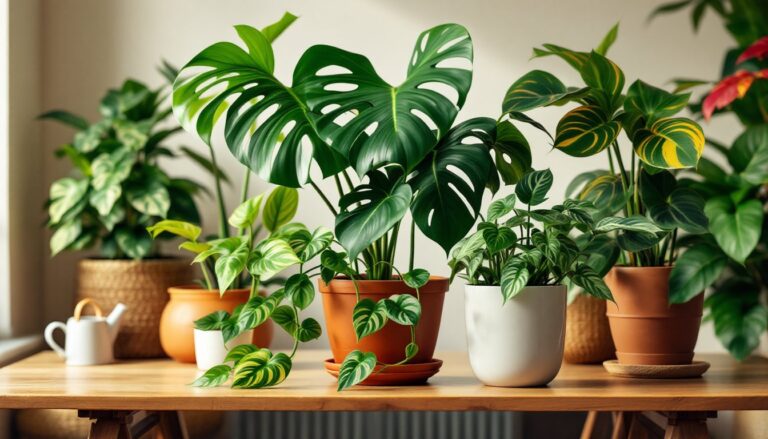
Monstera deliciosa is the workhorse of statement plants. Its fenestrated leaves, those signature splits and holes, develop as the plant matures, giving it an architectural quality that photographs well and fills vertical space without looking cluttered. In bright, indirect light, a mature Monstera can push out leaves 18 inches across.
Care is straightforward: water when the top 2 inches of soil dry out, provide a moss pole or trellis for support, and keep it away from cold drafts. Monsteras thrive in standard potting mix amended with perlite or orchid bark for drainage. They’re also forgiving of occasional neglect, bouncing back from underwatering faster than most tropicals.
One quirk: juvenile plants sold in 4-inch pots won’t show fenestrations yet. Those develop after about a year of consistent growth. For instant impact, look for plants in 10-inch or larger nursery pots, they’re pricier, but the payoff is immediate.
Fiddle Leaf Fig: The Designer’s Favorite
Ficus lyrata, or the Fiddle Leaf Fig, has dominated interiors for a decade, and it’s not going anywhere. Its large, violin-shaped leaves add height and structure, making it ideal for filling empty floor space in living rooms or entryways. A well-grown specimen can reach 6 feet indoors, creating a focal point that anchors furniture arrangements.
The catch: Fiddles are finicky about consistency. They want bright, indirect light (an east or west window works well), evenly moist soil that never stays soggy, and stable temps between 60–75°F. Drafts from HVAC vents or sudden moves will trigger leaf drop. When watering, soak the root ball thoroughly, then let the top inch dry before repeating. Use a moisture meter if eyeballing feels risky.
Many tropical house varieties require similar humidity and light conditions, so grouping compatible plants can simplify care routines. Fiddles appreciate 60% humidity: if indoor air is dry, run a humidifier or place the pot on a pebble tray. Wipe leaves monthly with a damp cloth to remove dust, which blocks light and invites pests.
Low-Maintenance Cool Plants for Busy Homeowners
Not everyone has time to fuss over watering schedules or humidity trays. These plants tolerate benign neglect and still look sharp, ideal for renters, frequent travelers, or anyone who’s killed a succulent.
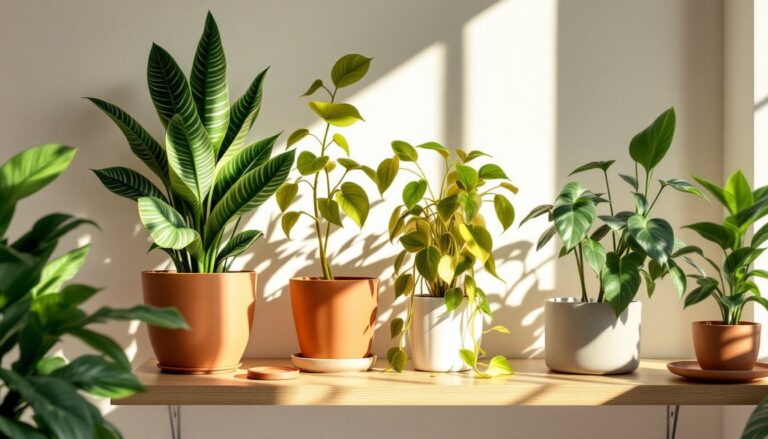
Snake Plant (Sansevieria trifasciata): Nearly indestructible. It tolerates low light, irregular watering, and a wide temp range. The upright, sword-like leaves add height without sprawl, fitting narrow spaces like hallways or bathroom corners. Water every 2–3 weeks: it’s more likely to rot from overwatering than suffer from drought.
Pothos (Epipremnum aureum): A trailing vine with heart-shaped leaves, often variegated in gold or white. Pothos grows in low to bright indirect light, handles dry soil, and propagates easily from cuttings. Drape it from a shelf, train it up a wall with command hooks, or let it cascade from a hanging planter. It’s one of the easiest house plants for beginners, thriving even under fluorescent office lighting.
ZZ Plant (Zamioculcas zamiifolia): Glossy, dark green leaflets on arching stems that look almost plastic. ZZ plants grow from rhizomes that store water, so they can go weeks between drinks. They tolerate low light better than most foliage plants and rarely need repotting. The only downside: all parts are mildly toxic if ingested, so keep them away from pets and kids.
Cast Iron Plant (Aspidistra elatior): True to its name, this one survives neglect, low light, temperature swings, and inconsistent watering. It’s slower-growing than Pothos or Snake Plant, but the broad-leafed structure adds a classic, old-school look that works in vintage or eclectic interiors.
Unique and Unusual House Plants to Start Conversations
For those who want something beyond the usual suspects, a handful of plants deliver oddball charm without requiring a greenhouse.
String of Pearls (Senecio rowleyanus): Succulent beads on trailing stems. It’s delicate-looking but tough, thriving in bright light with infrequent watering. Hang it in a south-facing window and let the strands spill over the edge. Overwatering is the main killer, err on the dry side.
Pilea Peperomioides (Chinese Money Plant): Round, coin-shaped leaves on slender stems. It’s compact, quirky, and easy to propagate from offsets (pups) that sprout from the base. Pileas prefer bright, indirect light and weekly watering. Rotate the pot a quarter turn each week to keep growth even.
Staghorn Fern (Platycerium bifurcatum): Mounted on wood planks or grown in hanging baskets, Staghorns have antler-shaped fronds that jut out dramatically. They’re epiphytes, so they don’t need soil, just mist the roots and soak the mount weekly. Popular indoor tropical options often include epiphytes that thrive in humid bathrooms or bright kitchens.
Calathea (Prayer Plant family): Leaves marked with stripes, spots, or geometric patterns that fold up at night. Calatheas are humidity lovers and can be fussy, but their foliage is worth the effort. Use distilled or filtered water to avoid leaf-edge browning from tap minerals, and keep soil consistently moist.
Best Cool House Plants for Different Rooms
Matching plants to light, humidity, and traffic patterns prevents headaches and wasted money.
Living Room: Go big. Fiddle Leaf Figs, Monsteras, and Bird of Paradise anchor seating areas and fill vertical space. Pair with a decorative pot (make sure it has drainage) and a saucer to catch overflow. If the room gets bright, indirect light from large windows, these will thrive.
Bedroom: Choose air-purifying plants that tolerate lower light. Snake Plants and Pothos both release oxygen at night and handle bedroom conditions well. Keep pots off nightstands if watering tends to be messy, water in the sink or tub, then return them once drained.
Bathroom: High humidity makes bathrooms ideal for ferns, Calatheas, and Orchids. If there’s a window, even a small one, these moisture-lovers will flourish. No window? Stick with low-light champs like ZZ Plants or Cast Iron Plants.
Kitchen: Herbs are the obvious choice, but Pothos, Philodendrons, and small tropical common varieties work well on open shelving or windowsills. Avoid placing plants directly above the stove, heat and grease buildup stress foliage.
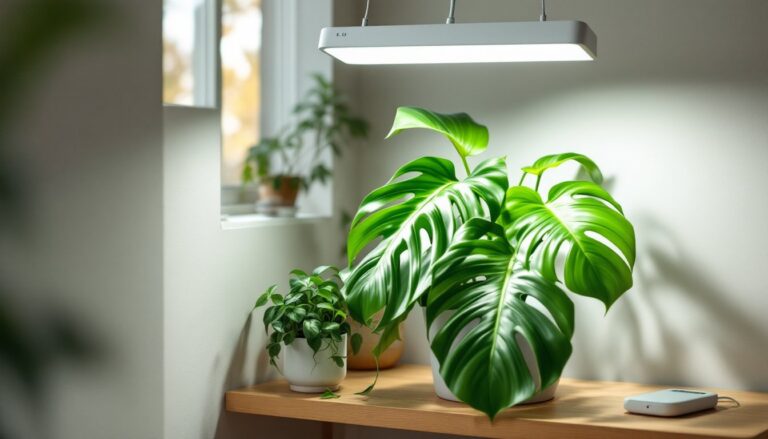
Home Office: Plants that tolerate artificial light and dry air are key. Snake Plants, ZZ Plants, and Dracaenas fit the bill. Position them away from heating vents and direct monitor glare. Studies from Gardenista’s houseplant guide show that even a single desk plant can improve focus and reduce screen fatigue.
Entryway or Hallway: These spaces often lack natural light. Snake Plants and Cast Iron Plants handle low light and don’t mind being bumped occasionally. Use tall, narrow planters to keep the footprint small.
Materials and Setup Notes:
- Pots: Always use containers with drainage holes. Decorative cache pots (no holes) can hold a nursery pot inside, but never let the plant sit in standing water.
- Soil: Most tropicals do well in a general-purpose potting mix cut with 20% perlite or orchid bark for drainage. Cacti and succulents need a specialized cactus mix.
- Fertilizer: Feed during the growing season (spring through early fall) with a balanced liquid fertilizer diluted to half strength. Skip fertilizing in winter when growth slows.
- Repotting: Most plants need fresh soil every 12–18 months. If roots circle the pot’s edge or push through drainage holes, it’s time to size up, usually one pot diameter larger.
Safety Note: Many common house plants (Pothos, Philodendron, Dieffenbachia, ZZ Plant) are toxic if ingested. If pets or small children are in the house, either choose non-toxic species like Spider Plants or Boston Ferns, or keep toxic plants out of reach. The ASPCA’s plant database offers a searchable list of pet-safe options.
Tool Kit for Plant Care:
- Moisture meter (optional but helpful for beginners)
- Watering can with a narrow spout for precision
- Pruning shears (bypass style) for trimming dead leaves
- Spray bottle for misting or leaf cleaning
- Gloves when handling sap-heavy plants or fertilizer
Plants aren’t magic, but they’re close. With the right species in the right spot, they’ll outlast most furniture and cost a fraction of what a contractor charges to repaint. Start with one or two, learn their rhythms, then expand. The goal isn’t a jungle, it’s a home that feels lived-in, intentional, and a little more alive.